Tag: puppy farming

  • Puppy Farmers Who Made £2.5m Have ‘Unduly Lenient’ Prison Sentences Increased

    Puppy Farmers Who Made £2.5m Have ‘Unduly Lenient’ Prison Sentences Increased

    The Court of Appeal has increased the jail sentences of four men who were part of a puppy farming gang who made more than £2.5m selling poorly dogs to unsuspecting members of the public.

    The men were part of a gang of fraudsters who imported puppies from Ireland before advertising them online as ‘home-bred’ and selling them to unsuspecting members of the public. Many of the dogs sadly fell seriously ill and some died shortly after sale.

    Simon O’Donnell (DoB: 23/08/87), previously of Bradenham Road, Hayes; Edward Stokes (DoB: 10/12/82), previously of Rosedale Avenue, Hayes, and later of Tenaplas Drive, Upper Basildon in Berkshire; Thomas Stokes (DoB: 16/05/92), previously of Coldharbour Lane, Hayes; Thomas O’Donnell (DoB: 27/01/89), previously of Bedwell Gardens, Hayes, all appeared at the Court of Appeal, in London, today (Thursday 19 July) after the Attorney General applied to appeal the ‘unduly lenient’ sentences they were given earlier this year when they pleaded guilty to animal welfare and fraud offences.

    Puppy Farmers Prison Sentences

    Simon O’Donnell was originally sentenced to three years in prison and was disqualified from keeping dogs for life. He was also ordered to pay £170 victim surcharge.

    The Court of Appeal increased his sentence to four years in prison. His disqualification remains.

    Thomas Stokes was jailed for three years and disqualified from keeping dogs for life. He was also ordered to pay a £170 victim surcharge.

    His sentence was increased to four years and eight months in prison. His disqualification remains.

    Edward Stokes was given a two-year prison sentence suspended for two years and a lifetime ban on keeping dogs. He was ordered to carry out 200 hours of unpaid work.

    His sentence was also increased to four years and eight months in prison. His disqualification remains.

    Vet Daniel Doherty (DoB: 28/07/68) of Wood Lane, Iver Heath, operated two My Vets surgeries in Uxbridge, west London, where he conspired with the gang to commit fraud by falsifying vaccination cards to help them sell the pups.

    He was originally sentenced to 12 months in prison, suspended for 12 months, and was ordered to complete 80 hours of unpaid work and pay £140 victim surcharge.

    This week, his sentence was increased to three and a half years.

    RSPCA Inspector Kirsty Withnall, who led the investigation dubbed Operation Adder, said: “The Attorney General applied to appeal the sentences that three of the gang members and the vet received as being unduly lenient.

    “The puppy trade causes serious suffering and this case involved many sick and dying puppies and resulted in heartbreak for unsuspecting owners.”

    The animal welfare charity launched an investigation into puppy dealing in London and Berkshire following complaints from a number of people who had bought puppies which had fallen ill and, in some cases, tragically died.

    RSPCA officers estimated the network of dealers were selling puppies for an average of £500 each – making at least £2,548,500 by selling 5,097 puppies during a five-year period – although investigators suspect there were many more.

    Evidence showed that 4,689 puppies were taken to MyVet 24/7 by the gang between 23 March 2011 and 10 May 2017 for their first vaccinations, with the vet pocketing at least £75,000.

    After gathering evidence, RSPCA officers joined teams from the Metropolitan Police as they executed warrants at four addresses on 27 May 2016 in Bedwell Gardens, Bradenham Road, Coldharbour Lane, and Rosedale Avenue, all in Hayes, west London. A further warrant was executed by Thames Valley Police at a property in Tenaplas Drive, Upper Basildon, on 1 February 2017.

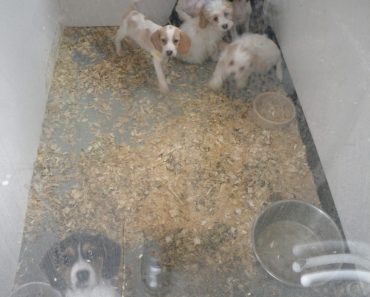
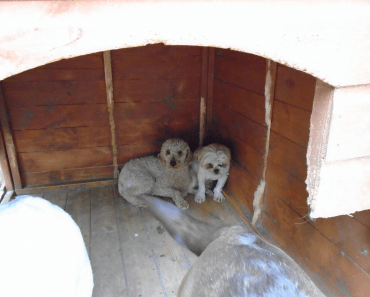
    During the first warrants, a total of 46 dogs and puppies were found being kept in plastic sheds, outbuildings and garages, or running loose in gardens and yards at the four Hayes addresses, all of which were seized and placed into RSPCA care. The dead bodies of four Yorkshire terrier puppies were found wrapped in black bin bags scattered around the garden at the property in Coldharbour Lane – thought to be from the same litter. Despite veterinary treatment, four puppies later died from parvovirus. Three of the bitches, who were pregnant when they were seized, went on to have a total of 16 puppies, although one was stillborn.

    Nine dogs were later seized from the Berkshire address and taken into RSPCA care.

    Officers took statements from 83 victims in total, all of whom had bought puppies from the gang at different addresses, having responded to adverts posted online – 25 puppies sadly died or had to be put to sleep due to severe health problems.

    All of the dogs that were seized as part of the investigations went into foster homes and were later signed over to the RSPCA to be rehomed.
  • Solicitor General to Personally Fight For Longer Jail Terms for Puppy Farmers

    Solicitor General to Personally Fight For Longer Jail Terms for Puppy Farmers

    On Thursday, 19 July, the Solicitor General Robert Buckland QC MP will appeal the sentences of a gang of puppy farmers who were convicted earlier this year.

    Simon O’Donnell, Thomas Stokes, Edward Stokes, and Daniel Doherty were part of a puppy-farming conspiracy thought to have raised around £2.5 million. O’Donnell, Thomas Stokes and Edward Stokes were involved in importing farmed puppies from abroad.

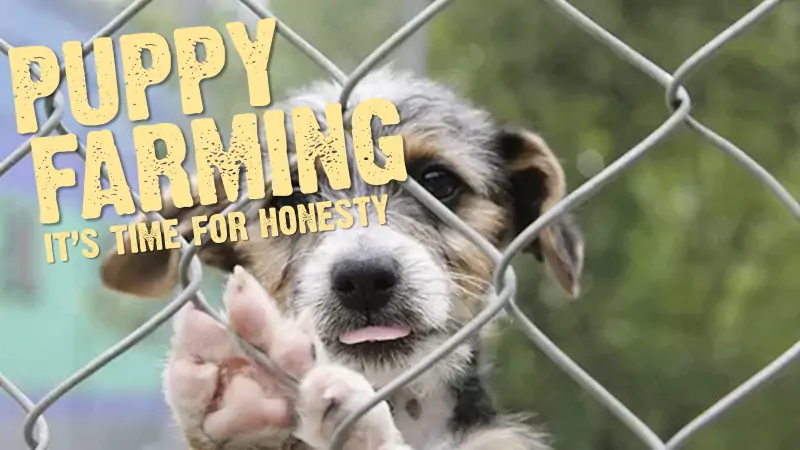
    Puppy farming causes misery to thousands of dogs in the UK
    Puppy farming causes misery to thousands of dogs in the UK

    Daniel Doherty, a vet who practised in West London, provided them with misleading welfare documents, including immunisation certificates, which were used to reassure the people who bought the puppies.

    O’Donnell, Doherty, and Thomas Stokes were originally sentenced at Isleworth Crown Court in May, Edward Stokes in June. O’Donnell and Thomas Stokes both received 3 years’ imprisonment.

    Edward Stokes received 2 years’ imprisonment suspended for two years, as well as conditions of 200 hours unpaid work and 15 days rehabilitation activity.

    Doherty received 12 months’ imprisonment suspended for 12 months, as well as a requirement of 80 hours unpaid work.

    The Solicitor will personally argue that their sentences are unduly lenient at the Court of Appeal.

  • Patrick Ward Went On The Run After Selling Sick Puppies, Today He Was Jailed

    Patrick Ward Went On The Run After Selling Sick Puppies, Today He Was Jailed

    Patrick Ward was sentenced this week almost two years after he failed to attend court to face a number of animal welfare offences

    A man was jailed and disqualified from keeping animals this week after almost two years on the run.

    Patrick Ward (DoB: 12/07/77) of Windermere Road, Leigh, Wigan, was due to appear in court in 2016 but failed to attend.

    He – and two co-defendants – were found guilty in their absence in August 2016 of a string of animal welfare offences relating to the sale of puppies in the Greater Manchester area.

    https://i.imgur.com/Yv9iYaU.png

    This week (22 May), he was sentenced at Wigan Magistrates’ Court to 22 weeks in prison having been arrested by police.

    He was also disqualified from keeping all animals for 10 years and ordered to pay a £150 victim surcharge.

    RSPCA Inspector Pippa Boyd, who led the investigation into the puppy sellers, said: “We launched an investigation into Mr Ward, his brother and his sister-in-law after receiving a number of complaints from members of the public who had purchased puppies that had soon fallen ill after arriving home.

    “We believe the trio were importing puppies and then selling them on from two addresses in Leigh.

    “When we joined police to execute two warrants at the properties in February 2016 we found a number of dogs and other evidence.

    “At one address – in Windermere Road – we found a number of phones labelled with different dog breeds. At the other – in Douglas Road – we found three dogs, one with an untreated broken pelvis, and the body of a dead Jack Russell terrier left in a kennel.”

    The charity launched the investigation after eight complaints from people who had bought puppies from the trio. All had fallen ill – suffering from a string of problems including parvovirus, worm infestations and neurological conditions – and four had died or had to be put to sleep.

    There are still outstanding warrants for the arrests of ​Julie Michelle Ward and Martin Ward.

  • Prison Sentence For Vet Who Helped Puppy Farm Gang Make £2.5m

    Prison Sentence For Vet Who Helped Puppy Farm Gang Make £2.5m

    A gang of fraudsters – who it is estimated made at least £2.5m selling sick and dying puppies to unsuspecting members of the public – have been disqualified from keeping dogs for life as some of the gang members were also jailed this week.

    It comes following a three-year investigation by the RSPCA into puppy dealing in London and Berkshire. The animal welfare charity launched ‘Operation Adder’ following complaints from a number of people who had bought puppies which had fallen ill and, in some cases, tragically died.

    Simon O’Donnell (DoB: 23/08/87) and Margaret McDonagh (DoB: 25/09/90), previously of Bradenham Road, Hayes; Edward Stokes (DoB: 10/12/82), previously of Rosedale Avenue, Hayes, and later of Tenaplas Drive, Upper Basildon in Berkshire; Thomas Stokes (DoB: 16/05/92), previously of Coldharbour Lane, Hayes; Thomas O’Donnell (DoB: 27/01/89) and Mary McDonagh (DoB: 15/09/89), previously of Bedwell Gardens, Hayes, all appeared at Isleworth Crown Court today (Tuesday 22 May) to be sentenced for their part operating a network of puppy sellers across London.

    https://i.imgur.com/axrttu9.png

    A vet who conspired with the gang, falsifying vaccination cards to help them sell the pups, is also due to be sentenced having previously been found guilty by a jury of conspiracy to commit fraud.

    RSPCA officers estimated the network of dealers were selling puppies for an average of £500 each – making at least £2,548,500 by selling 5,097 puppies during a five-year period – although investigators suspect there were many more.

    https://i.imgur.com/W5s0OOr.png

    The gang were most active between 2014 and 2016 – before being raided by police and RSPCA investigators – and forensic examinations of mobile phones used to sell the puppies, show they were making around £800,000 a year during these busy years.

    RSPCA officers joined teams from the Metropolitan Police as they executed warrants at four addresses on 27 May 2016 in Bedwell Gardens, Bradenham Road, Coldharbour Lane, and Rosedale Avenue, all in Hayes, west London. A further warrant was executed by Thames Valley Police at a property in Tenaplas Drive, Upper Basildon, on 1 February 2017.

    Bedwell Puppy Farm from Dog News on Vimeo.

    During the first warrants, a total of 46 dogs and puppies were found being kept in plastic sheds, outbuildings and garages, or running loose in gardens and yards at the four Hayes addresses, all of which were seized and placed into RSPCA care. The dead bodies of four Yorkshire terrier puppies were found wrapped in black bin bags scattered around the garden at the property in Coldharbour Lane – thought to be from the same litter. Despite veterinary treatment, four puppies later died from parvovirus. Three of the bitches, who were pregnant when they were seized, went on to have a total of 16 puppies, although one was stillborn.

    Nine dogs were later seized from the Berkshire address and taken into RSPCA care.

    RSPCA inspector Kirsty Withnall, who led the investigation to uncover their plot, said: “Four of the gang members are siblings and, together with their partners, launched this network of puppy sellers and dealers in west London, with Edward and Mary Teresa Stokes later continuing to sell dogs from their new address in Reading, Berkshire, while Thomas Stokes went on to sell again from another property in Feltham.

    “This was an complex and sophisticated network of organised fraud and cruelty to dogs. This was a complicated and multi-faceted, high volume conspiracy whereby the gang has misrepresented commercial, puppy-farmed dogs imported from abroad as family-bred pets to con members of the public out of money.

    “Puppies were illegally imported from southern Ireland before being transported to the defendants’ homes where they were kept in plastic sheds, outbuildings and garages. They were advertised online and sold for between £350 and £650 each.

    “The gang were generally dealing with fashionable breeds and designer crossbreeds such as Yorkies, cavapoos and Labradoodles.”

    Officers took statements from 83 victims in total, all of whom had bought puppies from the gang at different addresses, having responded to adverts posted online – 25 puppies sadly died or had to be put to sleep due to severe health problems.

    “Buyers have had to cover expensive veterinary bills or, tragically, lost their pet as a result of poor breeding, inappropriate transport and inadequate care,” inspector Withnall added.

    “We also discovered that the sellers were using lots of different names and aliases as well as changing phone numbers.

    “Prospective buyers were led to believe that the puppy they wished to purchase had been born and raised in a loving family home, the mother dog being a family pet. They were provided with paperwork relating to pedigree parentage, health documentation and vaccination certificates, much of which was falsified and did not or could not be shown to relate to the puppy in question.

    “When visiting, buyers were usually met by a man, often there were children and a woman present, giving the impression of the ‘family home’ that the puppies were claimed to have been part of. They were also shown bitches claimed to be the mothers but we now know these were stooge dogs bought in to lull buyers into a false sense of security.”

    Six of the gang members admitted fraud and animal welfare offences and were sentenced today (22 May).

    Simon O’Donnell was sentenced to three years in prison and was disqualified from keeping dogs for life. He was also ordered to pay £170 victim surcharge.

    Thomas Stokes was also jailed for three years and disqualified from keeping dogs for life. He was also ordered to pay a £170 victim surcharge.

    Thomas O’Donnell was handed a two-year jail term suspended for two years and was ordered to complete 100 hours of unpaid work and a rehabilitation activity. He was also disqualified from keeping dogs for life and ordered to pay £115 victim surcharge.

    Margaret McDonagh was given an 18-month community order and rehabilitation activity. She was also ordered to pay £85 victim surcharge and given an order which prohibits her from keeping dogs until an application to the court to lift it.

    Mary McDonagh was given a 12-month community order. She was also ordered to pay £85 victim surcharge and given an order which prohibits her from keeping dogs until an application to the court to lift it.

    A vet – who conspired with the gang – was also sentenced today having been found guilty by a jury following a four-week trial earlier this year.

    Daniel Doherty (DoB: 28/07/68) of Wood Lane, Iver Heath, operated two My Vets surgeries in Uxbridge, west London, where he conspired with the gang to commit fraud. Evidence showed that 4,689 puppies were taken to MyVet 24/7 by the gang between 23 March 2011 and 10 May 2017 for their first vaccinations, with the vet pocketing at least £75,000.

    He was sentenced to 12 months in prison, suspended for 12 months, and was ordered to complete 80 hours of unpaid work and pay £140 victim surcharge.

    Another member of the gang was sentenced at a previous hearing at Isleworth Crown Court on 7 September 2017 having pleaded guilty to one offence of failing to meet the needs of dogs. She was sentenced to a 12-month conditional discharge, disqualified from keeping dogs for five years, and ordered to pay £250 in costs.

    And the final member of the gang admitted a similar offence and received a restraining order disqualifying her from keeping dogs for five years.

    Edward Stokes, who also appeared at court this week, will appear back at court on 14 June for sentencing after his case was adjourned.

    These investigations also sparked an additional investigation into a man who was selling dogs from a property in Edmonton. When police executed a warrant at the property in February 2017, four dogs were removed.

    In November last year, he was jailed for two years and eight months and disqualified from keeping dogs for life after admitting five offences of fraud by false representation and one offence of failing to meet the needs of dogs. A woman was cautioned and received a court order prohibiting her for keeping dogs for three years, for failing to meet the needs of dogs.

    All of the dogs that were seized as part of the investigations went into foster homes and were later signed over to the RSPCA to be rehomed.
  • They Kept This Dog As A Breeding Machine Then Threw Her From Moving Vehicle

    They Kept This Dog As A Breeding Machine Then Threw Her From Moving Vehicle

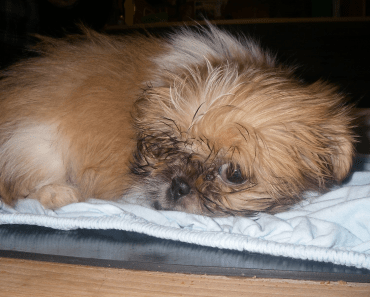
    When you look in Peggy’s eyes you can see the emotional, mental scars that her sad life has left her with. When you look at her body you see the physical ones.

    This poor pug was rescued by the RSPCA after being hurled out of the window of a moving van in West Drayton High Street in Middlesex.

    A member of the public spotted the incident, on January 5, and rushed the little dog into a shop nearby to check her over before the animal welfare charity was called.

    Peggy was collected and taken to the vets who, thankfully, couldn’t find any injuries from her ordeal. However, she was in poor general health and condition and was taken to RSPCA Millbrook Animal Centre, in Chobham, Surrey, for special care.

    Deputy manager Liz Wood has been fostering Peggy since. She said: “Poor Peggy was in a real state. Physically she was withdrawn, skinny and was losing a lot of her fur.

    “Mentally you could see she was scarred too, you could see the sadness in her eyes – God knows what she’d been through for most of her little life.

    “It was clear to me that she’d been bred from multiple times and had obviously had quite a few litters. I suspect she’d been kept as a breeding machine to produce puppies which could be sold on for large numbers. Then, when she came to the end of her shelf life, they discarded her like rubbish.

    “It’s heartbreaking and utterly despicable to treat a dog like a disposable object.”

    Luckily for little Peggy she’s now being treated like a queen by Liz. She enjoys going into work with her, spends time behind reception at the animal centre, and goes home with Liz at night.

    RSPCA inspectors launched an investigation and, meanwhile, Peggy went from strength to strength in Liz’s care.

    “She’s growing in confidence and is starting to come out of her shell,” Liz said.

    “We’re starting to see her cheeky side now. She barks when she want food and she makes funny little grunting noises when she is pleased to see you – her whole body wags, it’s adorable!

    “She’s such a sweet dog and will make a wonderful companion for someone. Once she’s back to full health we’ll be looking for a new home for her – and I’m sure won’t struggle to find one!”

    The RSPCA is seeing the effects of a soaring demand for designer breeds, such as pugs. The animal welfare charity – the largest and oldest in the UK – has seen an increase in the number of these breeds being abandoned and coming into centres up and down the country.

    “As these breeds soar in popularity, unregulated and unscrupulous breeders are seeing a chance to make a quick buck,” RSPCA special operations unit chief inspector Ian Briggs said.

    “Poor dogs like Peggy pay the ultimate price, locked up in terrible conditions and forced to produce litter after litter of puppies to be sold onto unsuspecting members of the public.

    “This is why we need tougher regulations around the breeding and selling of dogs and we hope proposals by the Government to bring in licensing and new regulations will help.

    “We’re also urging the public to consider rescuing a dog, like Peggy, instead of buying a puppy. The RSPCA has thousands of wonderful dogs of all shapes and sizes, with different stories and backgrounds, waiting for their forever home.”

  • Puppy Farmer Who Profited From Misery of Dogs is Sent to Jail

    Puppy Farmer Who Profited From Misery of Dogs is Sent to Jail

    A man has been jailed after admitting a number of animal welfare and fraud offences relating to the selling of dogs, in Staffordshire.

    Jamie Parvizi (DoB: 05/06/79) of Stone Chair Lane, Scholar Green – on the border of North Staffordshire and Cheshire – appeared at Warrington Crown Court on Wednesday (12 April) where he was sentenced to 33 months in prison.

    He had previously admitted 13 fraud offences – for making false representations as to the condition and breeding of puppies – and eight animal welfare offences.

    Parvizi was also disqualified from keeping animals for life by the judge, who said he had sentenced with the “financial and emotional harm” to the victims in mind. He described the case as one of “sophisticated fraud”.

    The RSPCA launched an investigation into the sale of puppies in Staffordshire in 2014 after receiving a number of reports and complaints from people who had bought dogs that had then fallen ill.

    https://i.imgur.com/zI6mRrO.jpg

    The animal welfare charity’s officers assisted police with a warrant at a property in Scholar Green on 9 April 2014, followed by a second warrant on 23 July 2015.

    RSPCA inspector Jayne Bashford, who led the investigation, said: “We received a flurry of calls about puppies being sold which were falling ill or, sadly, even dying.

    “From our early enquiries we established that lots of money was exchanging hands and people who were unknowingly buying sick dogs were stuck with huge vet bills.

    “The investigation led us to Parvizi’s property in Scholar Green and when we went in with police we rescued 10 Pomeranians from the address.

    “We found two adults – a male and a female – shut in a downstairs toilet and a number of puppies were being kept in the house. Some were being kept in purpose-built pods in the garden and some smaller, young pups were inside.

    “One of the puppies was collapsed and was severely lethargic, and some of the others were in poor condition with discharge from the eyes and nose.”

    Vets checked over all of the dogs, many of which were in poor condition and some of which were poorly, before they were seized by police and placed into RSPCA care.

    “We do not believe Parvizi was breeding these dogs himself but was importing from abroad and then selling the pups on,” inspector Bashford added.

    “The adult dogs may well have been there so they could be passed off as the parents.

    “We are seeing more and more cases whereby dealers and sellers are going to great lengths in order to convince prospective buyers that the puppies have been home-bred and well looked after, and to dupe them out of their money.

    “That’s why Parvizi has been charged with fraud offences as well as animal welfare offences.”

    While all the dogs seized from the property on the day were Pomeranians, other reports to the RSPCA about the address related to other toy and small breeds such as Maltese and Yorkshire terriers.

    Puppies were being kept in purpose-built pods with UPVC doors, heat lamps and sawdust on the ground. The three pods were built outside in the garden of the property.

    Gareth Warton, from Wales, bought his wife, Leah, a teacup Pomeranian for Christmas in 2014. But on Boxing Day she fell ill and, after days of treatment by vets and no improvement the couple made the heartbreaking decision to have her put to sleep.

    They contacted Parvizi who offered them a replacement pup, called Ben (pictured).

    Leah said: “We believed what happened to Lady could only happen once, but we were very wrong.

    “Within four weeks, we had lost two little puppies, we were devastated and we were also £2,000 out of pocket having paid for costly veterinary care over the holiday period.”

    Natasha Langmaid, also from Wales, bought her puppy, Bailey, in March 2014 for £650 from Parvizi’s home. Within days the tiny dog had fallen ill and need intensive treatment at a veterinary surgery.

    To date, he’s needed around £7,000 in veterinary treatment which, thankfully, has been covered by insurance.

    She said: “I have to remember I am one of the lucky ones who bought from these awful people because my fur-baby pulled through. Some others weren’t so lucky.”

    The 10 puppies which were seized by police were taken in by RSPCA centres and placed into foster care. They can now go off to their new homes.

  • Recognition for Kat Thorburn Who Helped Smash Sick Puppy Farm Ring

    Recognition for Kat Thorburn Who Helped Smash Sick Puppy Farm Ring

    An undercover officer from the RSPCA has been presented with an award for her incredible work smashing a ring making £35,000 selling sick and dying puppies.

    For more than 100 years, the RSPCA Honours have been given to recognise people and organisations who’ve helped us in our goal to end cruelty, protect animals from abuse and further our knowledge of animal welfare.

    Inspector Kat Thorburn, part of the RSPCA’s special operations unit, was presented with the David Millard award for her work investigating a puppy ring in Greater Manchester which duped people into buying dogs which they claimed were home bred with pedigree papers.

    In fact thousands of puppies were bred by large scale breeders in Ireland and Eastern Europe and shipped to England for sale. Many of them were ill and some sadly died within hours or days of being bought by their new owners.

    RSPCA Chief Executive Jeremy Cooper said: “We are incredibly proud of Kat Thorburn and the team who pioneered a new way to investigate organised gangs of criminals who are making thousands of pounds trading in sick and dying puppies.

    “Thanks to the hard work, determination and tenacious attitude of Kat who drove this investigation we’ve sent a clear message out to irresponsible puppy traders that they will be held accountable.

    “Kat’s work has also helped us raise vital awareness of our campaign to #ScrapThePuppyTrade calling for tougher regulation around the selling of dogs which has been supported by more than 60,000 people.”

    Previous attempts to investigate had stalled because of the difficulty of proving the the dogs were suffering when they were in the hands of the sellers.

    So Inspector Thorburn took on the huge task of collating dozens of complaints, tracking down a large number people who had bought puppies and taking witness statements from them.

    The damning statements, together with surveillance of gang members provided enough suspicion for magistrates to grant a warrant allowing police and RSPCA Officers to raid premises linked to the puppy selling ring.

    The raids on several different properties revealed vital evidence of a very sophisticated organised fraud. The gang rented several houses so buyers thought they were getting a puppy bred in a loving family homes.

    If buyers asked to see the puppy’s mother they were told she was on a walk or at the vets. The gang had several of mobile phones labelled with different breeds of dogs so they knew what dogs to talk about if people rang in response to adverts.

    They faked glossy packs with bogus pedigree papers and other documents to fool unsuspecting buyers who thought they were dealing with a responsible breeder. They even gave out free insurance with each puppy along with veterinary first vaccination cards to try and give the puppies validity.

    Thanks to Inspector Thorburn’s thorough investigation and determination more than 180 puppies were seized from the gang and there were a series of court cases where members of the ring were jailed and banned from keeping animals.

    Kat said: “I sat in so many people’s front room while they were devastated and crying and telling me how they were tricked into buying sick and dying puppies.

    “These were not stupid, gullible members of the public. These were everyday normal people like you and I, including police officers, teachers, professional, hard working people who had been conned out of hundreds of pounds by an organised gang of criminals who had absolutely no regard for the puppies they were trading or the people they were selling them to.

    “This gang knew they were selling sick puppies, some of which had deadly diseases. Some of the diseases were zoonotic which means they can spread to their owners, but they just didn’t care. All they cared about was making as much money as possible.

    “These cases took over my entire workload for a long time as it was extremely time consuming. I was horrified by what we discovered, dead puppies in the footwell of a car, one in the boot of another, thrown in the wheeley bin like rubbish and even one dead puppy in a crate along with a live one standing over it.

    “I dread to think about the awful conditions the mothers of these puppies are being kept in somewhere, they are producing litter after litter of poor quality, unhealthy puppies which are carrying all of these highly contagious parasites, diseases and bacteria. Let alone the risk of other diseases such as rabies.

    “It had been very difficult for us to prosecute puppy dealers previously but this new approach has worked and can hopefully be used to tackle more of these unscrupulous dealers in future.”

    The David Millard award for special investigations is given in memory of the North of England’s regional superintendent who passed away in in September 2009, aged 61, after almost 37 years with the society.

    The RSPCA Honours ceremony was held on Saturday 18 June at The Law Society in London which was especially appropriate as 2016 marks the 10th anniversary of the Animal Welfare Act. Since it’s introduction the RSPCA has helped more than 150,000 cats and dogs.

    This year 19 people who had gone the extra mile for animals were awarded with RSPCA Honours including:

    Two men who saved a much-loved cat from a house fire

    A police officer who worked tirelessly to save 33 dogs from squalid conditions

    An American woman who has improved the lives of millions of farm animals with an assurance scheme

    An undercover RSPCA inspector who helped crack an illegal puppy selling ring making £35,000-a-week

  • Cruel Puppy Farm Pair Guilty of Multiple Counts of Animal Welfare Abuse

    Cruel Puppy Farm Pair Guilty of Multiple Counts of Animal Welfare Abuse

    A pair of animal traffickers have each pleaded guilty to 10 offences in relation to selling dogs and cats from their home in Manchester.

    Laura Kiseliova (DoB: 14/06/79) and Raimondas Titas (DoB: 13/03/81) appeared at Manchester Crown Court this week for the start of a three-week trial. But, on Thursday (2 June), the pair pleaded guilty to a total of 10 offences each, under the Animal Welfare Act 2006, the Fraud Act 2006, the Pet Animals Act 1951 and the Companies Act 2006.

    https://i.imgur.com/ypAnwBI.jpg
    File photo

    The RSPCA launched an investigation into the pair, who were trafficking dogs into England from eastern Europe and selling them to unsuspecting members of the public.

    Kiseliova was released on conditional bail and Titas was remanded in custody by the court to establish his correct address.

    RSPCA special operations unit chief inspector Ian Briggs said: “When we attended the property in Prestwich on 18 November 2013 we found 41 dogs and puppies and eight cats in a variety of cages, crates and runs.

    “Many of the dogs were French bulldogs, bulldogs, and pugs, while there were also pedigree cat breeds.

    “It was obvious that this duo were dealing and trading in a large number of animals and that many of them were not receiving the appropriate care and veterinary attention they needed.

    “Some of the animals were suffering from problems such as conjunctivitis, gastroenteritis or had sore and infected wounds.

    “During our investigation, most of the animals were signed over into RSPCA care and later rehomed.”

    Kiseliova pleaded guilty to:

    Carrying on the business of Pets 313 Ltd for a fraudulent purpose, namely bringing dogs into the UK from Europe to sell them, misdescribed, at a profit – contrary to section 993(1) of the Companies Act 2006.

    Keeping a pet shop without a licence – contrary to section 1 of the Pet Animals Act 1951.

    Keeping a dog breeding establishment without a licence – contrary to section 1 of the Breeding of Dogs Act 1973.

    Causing unnecessary suffering to two dogs, by failing to provide proper and necessary veterinary care for hemorrhagic gastroenteritis – contrary to section 4(1) of the Animal Welfare Act 2006.

    Causing unnecessary suffering to two dogs, by failing to provide proper and necessary veterinary care for conjunctivitis – contrary to section 4(1) of the Animal Welfare Act 2006.

    Causing unnecessary suffering to one dog, by failing to provide proper and necessary veterinary care for infected wounds and painful limbs – contrary to section 4(1) of the Animal Welfare Act 2006.

    Causing unnecessary suffering to one dog, by failing to provide proper and necessary veterinary care for moist dermatitis – contrary to section 4(1) of the Animal Welfare Act 2006.

    Failing to ensure the needs of 41 dogs and eight cats were met by failing to protect them from pain, suffering injury, or disease by failing to establish a formal biosecurity and disease control programme – contrary to section 9 of the Animal Welfare Act 2006.

    Failing to ensure the needs of all animals were met by failing to protect them from pain, suffering injury, or disease by failing to establish a formal biosecurity and disease control programme – contrary to section 9 of the Animal Welfare Act 2006.

    Failing to ensure the needs of 22 dogs and eight cats were met by failing to provide a suitable environment – contrary to section 9 of the Animal Welfare Act 2006.

    Titas pleaded guilty to:

    Dishonestly and intending to make a gain for himself or another, made a representation to Petplan which was true or misleading, namely that he was the holder of a valid policy of insurance for a dog named Black Diamond and was entitled to make a claim – contrary to section 1 of the Fraud Act 2006.

    Carrying on the business of Pets 313 Ltd for a fraudulent purpose, namely bringing dogs into the UK from Europe to sell them, misdescribed, at a profit – contrary to section 993(1) of the Companies Act 2006.

    Keeping a dog breeding establishment without a licence – contrary to section 1 of the Breeding of Dogs Act 1973.

    Causing unnecessary suffering to two dogs, by failing to provide proper and necessary veterinary care for hemorrhagic gastroenteritis – contrary to section 4(1) of the Animal Welfare Act 2006.

    Causing unnecessary suffering to two dogs, by failing to provide proper and necessary veterinary care for conjunctivitis – contrary to section 4(1) of the Animal Welfare Act 2006.

    Causing unnecessary suffering to one dog, by failing to provide proper and necessary veterinary care for infected wounds and painful limbs – contrary to section 4(1) of the Animal Welfare Act 2006.

    Causing unnecessary suffering to one dog, by failing to provide proper and necessary veterinary care for moist dermatitis – contrary to section 4(1) of the Animal Welfare Act 2006..

    Failing to ensure the needs of 41 dogs and eight cats were met by failing to protect them from pain, suffering injury, or disease by failing to establish a formal biosecurity and disease control programme – contrary to section 9 of the Animal Welfare Act 2006.

    Failing to ensure the needs of all animals, for which they were responsible between 12 April 2012 and 19 November 2013, were met by failing to protect them from pain, suffering injury, or disease by failing to establish a formal biosecurity and disease control programme – contrary to section 9 of the Animal Welfare Act 2006.

    Failing to ensure the needs of 22 dogs and eight cats were met by failing to provide a suitable environment – contrary to section 9 of the Animal Welfare Act 2006.

    Kiseliova and Titas are due back at Manchester Crown Court on 8 July for sentencing

  • Astonishing 122% Increase in Puppy Farm Complaints

    Astonishing 122% Increase in Puppy Farm Complaints

    The number of calls about puppy farms received by the RSPCA have more than doubled over the last five years, according to statistics released today. (04/12/15).

    So far this year the animal welfare charity has received 3,232 calls – a 122% increase from five years ago.

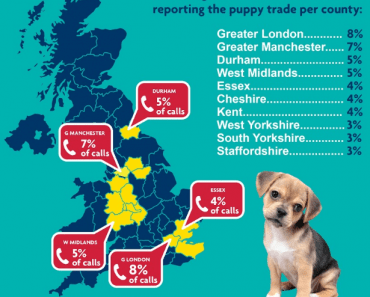
    These shocking figures mean that on average the RSPCA has received  more than one call about puppy farms and dealers every three hours – with Greater London coming top for the volume of calls.

    RSPCA assistant director of public affairs David Bowles said as the problem grows the need to bring in regulations surrounding the sale of puppies is all the more urgent.

    “These statistics just go to show the number of reports we receive are on the up just as the number of puppy farms and dealers increase.

    “For dealers – these puppies are easy money – we believe they buy them in from Ireland and the continent for around £100 and then sell them on the Internet for many hundreds, even thousands of pounds.

    “Dealers buy puppies in bulk looking for the highest profit margin. Often the puppies are too young to be away from their mothers and are sick when they are loaded onto vans, before travelling hundreds of miles which is likely to be incredibly stressful and could exacerbate any disease they already have. A lack of socialisation also increases their chances of long-term behavioural problems.

    “These people are gambling with the lives of not just these puppies – but the dogs they are bred from too and they are playing with the emotions of people and families who take them on as pets.

    “It is clear the present legislation is not working and that this sickening trade needs to be stopped.”

    In a bid to raise awareness about the puppy farming industry in the run up to Christmas the RSPCA has also released a run down of the country’s ‘hot spots’ when it comes to reports of puppy farming in 2014.

    Greater London racked up the highest number of calls (262) – followed closely by Greater Manchester (209).

    David Bowles said: “Puppy trafficking is big business and dealers are getting rich from duping members of the public and often leaving a trail of sick and dead puppies behind them, not to mention the heartache of families that have bought puppies.

    “If they’re lucky enough to be rescued, it can be really difficult for the puppies to cope in a home environment and it takes a lot of time, patience and hard-work from their new owners to help them settle in and become confident..

    “We want to see tougher regulations in place around the sale of puppies. In 2013 the UK Government brought in new laws to tackle the criminal scrap metal trade in England. But now it’s puppies who are being traded like scrap with no regard for their welfare, or even if they live or die.

    “It is far too easy to sell puppies and current laws are failing puppies and their parents. The RSPCA wants to see Westminster treat the issue of puppy dealing in England as seriously as they did scrap metal and license anyone who sells a puppy to help ensure traceability and put barriers in the way of dealers.

    “This would not stop illegal trading altogether but it would help to remove the huge layer of unregulated puppy dealing we’re currently battling on a daily basis. Local authorities would have the tools they need to act and improve protections for puppy buyers too. ”

    The RSPCA is now urging people to tell the UK Government that puppies are more precious than pieces of metal by signing our petition at www.rspca.org.uk/scrapthepuppytrade.

    You can also support the fight against puppy farming by joining the supporters of Puppy Love Campaigns.


    Have Your Say:

  • Going Undercover to Bring Down the Puppy Farmers

    Going Undercover to Bring Down the Puppy Farmers

    Undercover RSPCA Special Operations Unit inspector lifts the lid on what it is like to expose callous puppy dealers.

    “As a Special Operations Unit Inspector investigating the puppy trade comes as quite a challenge. The activity of selling puppies in itself is not illegal yet the volume of suffering puppies can be staggering.

    The first thing that becomes very apparent with some of the cases I’ve investigated is that these poor puppies are nothing but a commodity to the dealers.

    “The members of the public buying the dogs are nothing but a target, a cash cow, a means to an end. These dealers have forgotten you and your puppy before you walk out the door. Your story and the health of your puppy means nothing to them. Please do not be fooled into thinking it does.

    “Walking into the dealer’s premises has at times been quite impressive. The level of organisation required to achieve high turnover puppy sales is considerable. We have found large numbers of mobile phones with initials of dog breeds on the back. This system is so the dealers knows when the YT phone rings they need to talk about Yorkshire Terriers or the POM phone rings they talk about Pomeranians.

    “It takes a degree of skill to keep pulling the wool over buyers eyes all day everyday. From answering the phones when buyers respond to the fluffy adverts to arranging the sales with enough time allowed for each person to believe they have had a genuine experience and not bump into the next buyer on their way out.

    “The stories as to why the bitch can’t be viewed are plausible. The ‘pedigree’ papers are high quality glossy brochures with professionally printed embossed certificates.

    “To see such high volumes of very young puppies in the dealers kennels is just heartbreaking. All each puppy wants is to be cuddled, loved and feel safe like it did before being prematurely wrenched away from it’s mother. If only they could tell you of the traumatic journey they have already made in their short lives.

    “The cheapest puppies that make the highest profits come from Eastern Europe and Ireland. The disease risk associated with importing these puppies is very high. Not only to the dogs themselves but to the public of the UK. For example some of these puppies are brought in from Rabies endemic countries. Many carry zoonotic diseases such as Campylobacter and Giardia. Also skin conditions such mange and ringworm.

    “It feels good as an SOU Inspector to know that the RSPCA will now care for and do our very best to find each one a loving new home, but I can’t help but wish there wasn’t such a demand for these puppies in the first place.

    “It’s a bitter pill for an RSPCA inspector to swallow to know that our animal centres are bursting at the seams with unwanted dogs yet these organised criminals are literally bringing these puppies in by the bucket load and making thousands of pounds a week exploiting them and the British public.

    When taking witness statements from the buyers it is obvious that these puppies very quickly become more than just a pet, they became a member of their family.

    “When the puppy becomes ill or dies the buyers are left devastated. One of the most upsetting stories I heard was one of a five-year-old little boy finding his beloved first pet dying in a pool of its own blood only 24 hours after purchase. This little boy’s puppy died at the vets and he suffered night terrors as a result.

    “Not only have the buyers been conned out of hundreds of pounds when buying the puppy but they are often left with huge vets bills to pay, whether the puppy survives or not.

    “These buyers are not foolish. They are ordinary hard working people who genuinely wanted to give a dog a good home.

    “The well written adverts, the fake documentation and the façade of authenticity that these dealers create leads the buyers to believe they are purchasing a well breed, pedigree puppy from a loving UK home. They couldn’t be more wrong.”

    This RSPCA inspector’s identity has been concealed for their own security.

    The RSPCA is now launching the #ScrapThePuppyTrade campaign, calling on the UK government to introduce the ‘Puppy Dealers Act’ in England to stop the unscrupulous trade in puppies. The charity believes huge numbers of sick, under-age and dying puppies – sold to unsuspecting buyers for huge profits, and most likely costing the economy huge sums in untaxed income – are being trafficked into the UK each year.

    Please visit www.rspca.org.uk/scrapthepuppytrade to sign the petition and show your support.

  • Puppies Not as Important as Scrap Metal According to the Law

    Puppies Not as Important as Scrap Metal According to the Law

    RSPCA launches #ScrapThePuppyTrade campaign to bring in laws to protect puppies from callous and cruel puppy dealers.

    The RSPCA has today issued a call for the UK govt to act more decisively in preventing the sick trade of puppy farming. The charity says:

    Puppies are being treated worse than scrap metal, according to the RSPCA which today launched a petition calling on the UK Government to clamp down on people selling sick dogs in England.

    Due to its low cost, low risk and high yield appeal, puppy dealing is an attractive option for people willing to make money at the expense of puppies’ health and welfare and the heartache of families up and down the country.

    puppy photo

    The charity says that more laws exist to regulate the trade in scrap metal than the puppies and has launched a petition calling on the Westminster to introduce the ‘Puppy Dealers Act’ in England and clampdown on puppy dealers in the same way.

    RSPCA chief vet James Yeates said: “Puppy trafficking is big business with dealers getting rich and leaving a trail of dead puppies and heartbroken families in their wake.

    “We believe these poor pups are bought in bulk by dealers looking for the highest profit margin. In many cases the puppies are too young to be away from their mothers and are sick when they are loaded onto vans, before travelling hundreds of miles.

    “In 2013 the government brought in new laws to tackle the criminal scrap metal trade in England. But now it’s puppies who are being traded like scrap with no regard for their welfare, or even if they live or die.

    “It is far too easy to sell puppies and current laws are failing puppies and their parents. The RSPCA wants to see Westminster treat the issue of puppy dealing in England as seriously as they did scrap metal and license anyone who sells a puppy.”

    The RSPCA is calling for mandatory licensing for anyone selling puppies in England to try to hit puppy trade as a whole – from organised illegal trafficking to opportunistic backstreet breeding. This would mean:

    ● Anyone selling a puppy must have a licence.

    ● Strong penalties & fines for anyone caught selling a puppy without a licence.

    ● A national database of puppy sellers (funded by licence fees) to aid enforcement.

    ● All internet and offline advertisers (like Pets4Homes, PreLoved, Friday Ad) must display the licence number of the seller in order to list an advert.

    “While this would not stop illegal trading altogether, it would help to remove the huge layer of unregulated puppy dealing we’re currently battling, it would give local authorities the tools they need to act and improve protections for puppy buyers,” added James.

    In response to a survey* carried out on behalf of the RSPCA in June 2015, more than 2 million (2,040,000) people said they had bought a puppy in the last year. The RSPCA believes that huge numbers of puppies are being trafficked into the country from other EU countries to meet the high demand for pedigree and designer cross-breed puppies in the UK.

    Only 63% of adults who have purchased a puppy within the last year surveyed were able to say they were confident that the person they bought the puppy from bred the puppy.

    This week the RSPCA uncovered the deception by one set of dealers who made around £140,000 a month in undeclared cash duping unsuspecting members of the public and selling them sick and suffering puppies.

    Under different guises this trio lied to buyers, telling them the puppies for sale had been bred in a homely, family environment and were the first litter. The reality was that weekly deliveries of pups arrived via the ferry from the Republic of Ireland and be kept in pods at a ‘holding’ address while advertised on the internet, before being sold from a network of rented residential properties set up to look like family homes.

    Puppies that died were callously dumped in wheelie bins.

    One victim of the deceit was Leanne Lamont from Glasgow (pictured). Her young Pomeranian puppy died in her arms just days after she travelled to England and unknowingly bought him from the underground puppy dealing ring.

    Leanne said: “I found the advert for the puppies online and everything seemed really good. They would only sell to loving homes, they would show outstanding examples of how tiny puppies should be bred and cared for. They seemed perfect.

    “When I arrived at the house I was met by a woman who told me her auntie was the breeder. The house was very clean and everything looked fine. She gave the impression these puppies were coming from a loving family home.”

    However Nacho was seriously ill and just days later took a turn for the worse and started having seizures and Leanne made the difficult decision to put her pet to sleep.

    She said: “He was incredibly ill and I didn’t want him to be in pain any more. I held him in my arms. He was just so tiny. All skin and bones. He was still gorgeous but just so very ill. The vet gave him the injection and he died there in my arms.”

    “They told me Nacho was 12 weeks old when I picked him up but I think he was closer to six weeks old. He was so ill. I just could not believe someone could be so cruel and calculating as those dealers.”

    The RSPCA is now urging people to join help tell Westminster that puppies are more precious than pieces of metal by signing our petition at www.rspca.org.uk/scrapthepuppytrade.

  • Jail for Gang That Made Over £8k per Week Selling Sick Puppies

    Members of an organised gang who are estimated to have made more than £8,000 a week selling sick, diseased and dying puppies have been jailed after one of the RSPCA’s biggest ever investigations into the puppy trade.

    The case concluded today and lifted the lid on the trade in puppies, which were being sold for £50 commission each – before many subsequently died or needed lengthy and expensive veterinary treatment due to their poor health.

    Paula Wood, James Brady, Louise Colwell, Kenneth Colwell, Thomas Greally and Stacey Greally – all from the Greater Manchester area – admitted a string of animal welfare offences linked to organised crime involving the sale of sick puppies. They were sentenced today (3.8.15) at Oldham Magistrates’ Court.

    One puppy sold by Wood and Brady, called Crumpet (right), was so sick that he was put on a drip and had to be fed through a tube in his nose, before he died.

    Thomas Greally and Kenneth Colwell were sentenced to 20 weeks in custody, while Brady was given 10 weeks custody. The district judge said the number of puppies Thomas Greally admitted to selling for between £550-£650 meant some weeks he would have made more than £8,000.

    Wood – who the district judge said had shown no remorse – was given a 12 week custodial sentence which was suspended for 12 months. She must carry out 250 hours unpaid work during a 12 month community order and also pay £1,000 costs.

    Louise Colwell and Stacey Greally – formerly McEwan – was sentenced to 20 weeks custody, which will be suspended for 12 months. She must also carry out 300 hours of unpaid work and pay £2,000 costs.

    All six defendants were banned from keeping dogs for the rest of their lives.

    The case against the six defendants was part of a major investigation known as Operation Pagan, which has been led by the RSPCA’s special operations unit.

    None of the defendants would reveal where any of the puppies came from. However, they admitted failing to ensure the welfare of the puppies they were selling after numerous witnesses contacted the RSPCA after buying sick puppies from the six who appeared before the court.

    It is suspected they had been imported from across Europe and then sold by the defendants as part of an organised business.

    Chief inspector Ian Briggs, from the RSPCA’s special operations unit, said: “This case is hugely significant. It shows the lengths some dealers will go to, making it look like the puppies they are selling have been bred in a homely environment.

    “They produce glossy brochures, healthcheck cards and fancy looking ‘pedigree’ documents that aren’t worth the paper they are written on.

    “This investigation has shown puppy dealers are becoming increasingly savvy to make their dealings look legitimate. They rent houses and put a smattering of furniture in them to make it look like a family home, from which they peddle these sick puppies.IMG_9537.JPG

    “On some occasions that we have been told about, adult dogs would be presented under the false pretence that they were the parents of the puppies being sold.

    “It is organised crime and animal suffering on an almost industrial scale.”

    Warrants were carried out by Greater Manchester Police, with RSPCA attendance, at properties on Fields New Road, Oldham, and Valentine Street, Failsworth, on 27 November 2013. These followed a number of calls to the RSPCA from members of the public who had bought sick puppies from the addresses, after they had been advertised online.

    A total of 39 puppies of unknown origin were seized during warrants including chihuahuas, pomeranians, spaniels, shih tzus and Yorkshire terriers (pictured) that had been kept in purpose built pods at the rear of the addresses.

    The court was told that six of the puppies were so sick they had to be put to sleep by a vet, while 65% had congenital defects of some kind.

    Other items seized by police during the warrants included approximately £3,500 in cash and a step-by-step guide to selling puppies, which said sellers would receive £50 commission on every sale they made.

    Thomas and Stacey Greally and Kenneth Colwell were arrested and interviewed, while Louise Colwell was interviewed at Fields New Road.

    Glossy ‘Kennel Registration’ packs (right) found during the warrants showed links to Brady and Louise Colwell’s mother, Wood, who were also selling puppies.

    A warrant was subsequently carried out at Owler Lane, Oldham, on 18 December 2013, but no puppies were found.

    However, the RSPCA had received many concerned calls from people who had purchased puppies from the address, including Kimberley McDonald, from Stoke-on-Trent, who bought cockerpoo Crumpet from Wood and Brady. Crumpet died just 13 days after Kimberley took him home.

    Kimberley said: “On the surface when we arrived to collect Crumpet everything seemed fine. We pulled up outside a lovely semi-detached house which was very clean and the people seemed really in to their dogs.

    “But on the journey home Crumpet kept doing this weird snuffling then coughing like a cat does when they have a hair ball. He also kept constantly scratching and had all these little scabs all over him.

    “His health carried on deteriorating badly and after lots of vet visits over the coming days, he was admitted to the surgery and after some tests they found out he had parvo.

    “Poor Crumpet was put on an intravenous drip and given a plasma transfusion. He also had a tube put into his nose to feed him as he wasn’t eating at all.

    “Every time I went to visit Crumpet it was a military operation. I had to have a shower just before I went and as soon as I’d got changed I had up walk straight out of the door without touching anything in the house. I had to put scrubs on when I was there and gloves too so I couldn’t even touch him properly. It was awful.

    “All he wanted to do when I was there was curl up in my arms and I spent the whole time I went crying. Losing Crumpet was the worst heartache I’ve ever felt in my life.

    “This whole experience has massively affected our lives. Not only did it upset our daughter knowing her lovely new puppy was gone after she had only just bonded with him but at the age of six she also discovered how cruel some human beings can be.”

  • Are People Who Buy From Puppy Farms as Much to Blame as The Puppy Farmers?

    Are People Who Buy From Puppy Farms as Much to Blame as The Puppy Farmers?

    As dog lovers, we must all, surely, feel a massive twang of pity and regret when we think of those puppies who have been bred for profit by breeders who are interested only in how to produce maximum volume of ‘stock’ with scant regard for the welfare, health or temperament of the animals they churn out month by month, year by year.

    Puppy farms (or, as they are known outside of the UK – puppy mills) are alive kicking.

    But how? Buy why?

    Let’s see if we can find out…

    I believe the media has been very generous to the people who, it could easily be argued, are REALLY responsible for the growth in puppy farms.

    Puppy farmers aren’t the ONLY ones to blame for misery

    The people I speak of are those who willingly dig in to their pockets and get their wallets out, to hand over cash to the cynical puppies- for-profits breeders – aka puppy farmers – who couldn’t care less about the fundamental principles of breeding good, healthy, well balanced dogs.

    The puppy farmer only exists because people keep giving them money.

    In all the coverage given to the puppy farming debate, have we missed the most obvious of points? That if people simply stopped fuelling this trade, we might actually get somewhere?

    Don’t get me wrong, I have a huge moral and ethical objection to the people who trade in the suffering and misery of mass produced dogs. We can’t legitimately call ourselves a nation of animal lovers whilst we allow this to happen.

    But, the fact is, these puppy farms would be a thing of the past if:

    1) People refused to buy puppies from pet stores (and yes, I include the celebrities who buy from famous department stores in that – no GOOD breeder will EVER allow their stock to be ‘retailed’ in a pet store.)

    2) People educated themselves on how to acquire a new dog, responsibly, rather than rushing out to buy a puppy from the first litter they see advertised in the free classified ads newspapers or websites.

    Seriously, if those two things happened – the puppy farmer is left with no business. No trade. No customers. No money. No motivation to keep producing puppies.

    Let’s think about it for a second; if people didn’t purchase from puppy farms and from pet shops, there’d be none.

    So why do people do it?

    Some of them are misguided, misinformed. OK, I accept that. But even so, in this year, in this day in age with ALL of the wealth of information that exists about how to obtain a dog responsibly, is it REALLY a valid excuse any more? I mean, really?

    And for everyone who accidentally, unintentionally winds up putting money in to the pocket of puppy farmers, there’s certainly more folk who do it and who couldn’t really care less either way.

    Whilst it is an ongoing disgrace that puppy farms are allowed to thrive and prosper in a country where laws, legislation and enforcement of such establishments have never really been properly crafted to a point where they have been forced out of business, whilst the demand exists – the puppy farmer will thrive.

    If puppy farming is to be defeated, the first point of action needs to be in changing the attitude and behaviour of the people who are putting their money in to keep the puppy farms in business – that’s puppy buyers!

    Look at this way; if there was ZERO demand for cocaine, would the governments of the world even need to make laws and spend BILLIONS on trying to combat traffickers around the globe? Of course not!

    Zero demand for a product or service means the supplier is automatically redundant. They become extinct. It’s the laws of economics, supply and demand.

    And let’s establish one thing, for the record, puppies are NOTHING like cocaine. So our failure to combat puppy farmers is interlinked, exclusively, with our failure to convince enough people of the right and wrong ways to acquire a dog ethically and responsibly. There is no chemical ‘high’ to be gained by buying a puppy from a puppy farmer.

    How can we change this? How do we push for a culture change?

    It’s going to be hard and I feel it’s going to take something big. But I am 100% convinced that even if we were to bring in laws that would legislate against puppy farms, if there is still a 10 or 20% demand from the same sort of people who acquiring their dogs from puppy farmers today, the laws themselves won’t be enough.

    The media who carry adverts for puppy farmers, they are guilty as sin.

    There are some big name, very profitable media businesses out there profiting from the misery of dogs. Whether they knowingly take adverts from puppy farmers or not, whether the fact that puppy farming in and of itself is NOT illegal (a disgrace in itself), surely there has to be an ethical, honest way to deny puppy farmers the oxygen of publicity? If people and businesses aren’t prepared to step up, how do we ever expect the public to understand that

    1. Just because a litter of puppies is advertised in a ‘legitimate’ publication, it doesn’t mean the puppy has been bred responsibly
    2. Just because a litter of puppies is for sale in a pet shop with a licence, it doesn’t mean the puppy has been bred responsibly
    3. Just because a litter of puppies has been bred by a ‘licenced breeder’ it doesn’t mean the puppy has been bred responsibly

    If we really want to tackle the blight of puppy farming, puppies produced in dank, squalid conditions with profit as the only motive, then we – all of us honest, caring dog owners – need to speak up, speak out and repeat the following mantra:

    “If you buy from a puppy farm, you’re as guilty as the puppy farmer. If you don’t have the knowledge to avoid a puppy farmed dog, then you’re not yet ready to own a dog.”

    What more do we need to do to, once and for all, put an end to the misery of puppies bred for profits?

    Have your say below!