Category: Dog Advice

From dog training to canine health, see our latest dog advice articles here

  • Canine Babesiosis Reaches UK: What is Canine Babesiosis

    Canine Babesiosis Reaches UK: What is Canine Babesiosis

    Canine babesiosis is a life threatening condition for dogs and experts are warning dog owners about the deadly tick borne disease which has entered the UK and already left four animals fighting for their lives.

    The life threatening disease is transmitted to dogs by infected ticks and dogs in Essex are believed to be the first in the UK to have contracted canine babesiosis. It originates from Eastern and southern Europe and there are various different strains.

    In this video below the vet who diagnosed the 1st dog in the UK with the disease explains more.


  • Important Advice About Cold Weather & Your Dog

    Important Advice About Cold Weather & Your Dog

    The RSPCA has issued a set of tips to help animals cope with the impending cold weather snap expected to hit the UK.

    Freezing temperatures, more rain, and snow is forecast so make sure your pets and animals are warm and safe this winter
    As the Met Office forecasts frosty conditions and possible snow in the coming days, the RSPCA is urging people to ensure their animals are safe and warm.

    Following an unseasonably warm December and start to 2016, weather forecasters have predicted that temperatures will continue dropping over the weekend and into next week.

    Weather warnings for further rainfall remain in place in parts of the England and Wales. And the Met Office is forecasting snow in some areas next week.

    As the winter weather finally arrives in the UK, the RSPCA is releasing advice to ensure animals stay healthy during the colder weather, and tips on how to help wildlife survive the wintry spell.

    Pets & Cold Weather

    As the temperature begins to drop, the RSPCA advises keeping a closer eye on outdoor pets such as rabbits and guinea pigs. If the temperature starts to reach freezing, you may wish to consider moving your rabbit hutch inside or into an outhouse, shed or unused garage. We recommend that guinea pigs are housed indoors when temperatures are below 15OC. If you do bring your rabbits or guinea pigs indoors, they still need plenty of time and room to exercise in a safe and secure environment. If you have to leave them outside, you must provide them with lots of extra bedding, such as dust-free hay, and make sure their home is protected from adverse weather. For example, covers can be purchased to help insulate hutches in the winter months, but care must be taken to ensure there is adequate ventilation.

    For rabbits and guinea pigs housed in a hutch, a sloped roof is preferable to allow water to drain away. Hutches should be raised off the ground by at least four inches and placed in a sheltered position, facing away from wind and rain.

    If your rabbit or guinea pig gets wet, rub them dry with a towel and make sure they have plenty of warm bedding.

    For more about rabbits, go online, and for further guinea pig information visit the website.

    Cats should have constant access to the house or to a warm, inside area such as an outbuilding or barn with appropriate heating. You should also ensure the cat’s bedding or sleeping area is warm, dry and away from any draughts.

    Be aware that antifreeze and rock salt can be poisonous to pets.

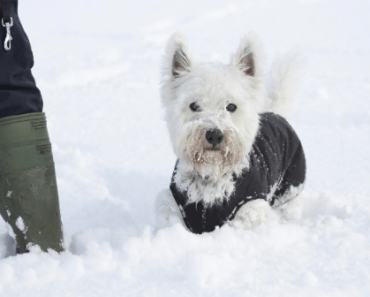
    If you have an elderly or sickly dog, you can buy a special coat or jumper to keep them warm when you’re out on walks. Make sure your dog can still behave normally, for example, go to the toilet easily and that it is a good and comfortable fit.

    When walking your dog in the dark, wear reflective clothing and think about a reflective collar or light for his collar to keep you both safe.

    Keep your pet dog away from frozen ponds, lakes or rivers which can pose a danger, and make sure their paws don’t get impacted with snow.

    If you keep pet birds in aviaries, coops, or runs, then you should also protect them from the cold weather. Cover enclosures to keep the wind and rain out, and ensure the birds always have access to food and fresh water.

    Don’t house animals, including birds, in greenhouses and take caution if housing them in conservatories.

    If you have a fish pond check it every day to make sure the surface is not entirely frozen as poisonous gasses can build up under the ice. Don’t break the ice as this can harm the fish, but carefully place a saucepan of hot water on the surface to gently melt a hole in the ice. Never tip boiling water straight onto the pond either, as this can also harm or kill any fish living there. And never try to use antifreeze or salt to thaw frozen ponds or birdbaths.

    Horses and livestock

    Horses and livestock require extra time and care in the colder, winter months.
    Ensure they have adequate shelter to escape adverse weather and be prepared to provide extra feed and good quality long fibre, as grass is often sparse. It is also important to check water troughs and buckets are clear of ice.

    If shelter is not sufficient, owners should use waterproof rugs to give their horses added protection from the cold and wet weather.

    If it is particularly wet and muddy, it is important to regularly check hooves, for problems such as abscesses and loose shoes, and legs, for any signs of mud fever. Owners should ensure horses have access to a dry resting area, out of the mud.

    When riding in the winter, beware of getting your horse sweated up as they can easily catch a chill. Always wear reflective clothing when riding on the roads.

    Make arrangements with a reliable and experience person to take care of your horse or livestock in case of an emergency, such as being cut off by bad weather.

    Farmers and smallholders should give extra consideration to baby and young animals and whether they need extra protection from the cold weather.

    Wildlife

    Birds can struggle to find food during the winter months so, to help them stay strong over this period, householders can leave out extra food for them.

    You can feed them suitable seeds and grains, like oats and sunflower seeds; cooked pasta or rice; boiled potatoes, cheese, or uncooked unsalted bacon rind; raisins and sultanas; net-free fat or suet balls; apples, pears and soft fruits; insects such as mealworms or waxworms. Only feed peanuts if unsalted, fresh and sold for human consumption or by a reputable feed shop, and make sure to either chop them up or put them out in good quality mesh feeders.

    Keep bird baths free of ice, leave out bowls of clean water, and keep any feeders and water bowls clean.

    Make sure you check carefully any wood or leaf piles for wild animals such as hedgehogs, frogs and mice, before lighting any fires or bonfires. If you find wild animals in hibernation, be sure to leave them be.

    Remember – if you see an animal outside in the cold that looks like it is suffering, take a note of the location, the time and date and call the RSPCA on the emergency line 0300 1234 999.

    RSPCA scientific officer Llewelyn Lowen said: “As the weather turns colder it is important to think about what we can do to help our animal friends.

    “Every year, between one and two thousand wild animals are brought into RSPCA wildlife centres in December, January and February suffering from dehydration, hunger and cold.

    “A few little changes to your everyday routine can really make a difference to animals. For example, a little bit of extra food left out for a hungry bird may be the help it needs to last through a spate of frosty weather or, if you have rabbits kept outside, you will need to provide them with lots of extra bedding and their home should be placed in a sheltered position, facing away from the prevailing wind and rain.”

    Met Office forecast:
    It is expected to be unsettled on Friday and into the weekend with more heavy showers moving in and some hill snow in the north. Rain and snow will continue in the north next week and, from Wednesday, a cold spell is expected to lead to widespread overnight frosts. Forecasters have also predicted sleet and snow in parts.

  • 7 Best Reasons to Clicker Train Your Dog

    7 Best Reasons to Clicker Train Your Dog

    What are the main advantages to clicker training, you may ask? What actually is clicker training and are its benefits really worth the effort?

    Well, take a look at what can be achieved with this method by watching this incredible dog in action:

    7 Reasons Why Clicker Training is Worth The Effort

    1. Fun. Clicker training, it’s often said by its advocates, keeps the sessions fun and allows dogs to really develop a consistent understanding of new commands.

    2. Fast track. Clicker training is a great way to fast track your dog when they’re learning new things.

    3. Science. No mumbo jumbo here! Clicker training has been scientifically proven to help dogs learn. It is a well established mechanism by which the learning process can be made simpler for your dog.

    4. You can teach your dog literally anything. See the video? That’s the result of a confident dog who obviously loves to learn and an owner who understands the benefits of training with a clicker.

    5. Consistency. Dogs love consistency. Using a noise marker, such as a clicker, helps to develop consistency as you train your dog in more advanced situations.

    6. Reward based. It doesn’t take a genius to work out that dogs respond best when they’re rewarded for their good behaviour. The clicker trained dog understands the reward theory behind their actions.

    7. Cost. You can buy a clicker for less the cost of a coffee. What better reason to start to learn clicker training today?

    Want to Learn More About Clicker Training for Dogs?

    This clicker training book will steer you right.

    http://k9magazinecom.c.presscdn.com/wp-content/uploads/2012/04/Clicker-training-for-dogs-book2.jpg

  • Slugs & Snails Can be Deadly to Dogs – Lungworm Warning

    Slugs & Snails Can be Deadly to Dogs – Lungworm Warning

    Cases of UK dogs affected by a killer parasite spread by slugs and snails have rocketed by more than 30% in just five years, according to PDSA.

    And the vet charity today warned this could be just the tip of the iceberg as many cases of lungworm go unreported.

    Lungworm can cause weight loss, difficulty breathing, a chronic cough and can even be fatal, warn vets.

    Comparing data for 2009 and 2014, PDSA vets found there had been a 35% increase in confirmed cases of the worm across its 51 UK pet hospitals.

    PDSA Vet Vicki Larkham-Jones said: "There has been a significant increase in the number of confirmed cases of lungworm at our pet hospitals. "In 2009 there were 49 confirmed cases and this had risen to 66 cases in 2014. However, the true figure is likely to be much higher, as not all infected animals can be positively diagnosed.

    The hot spots for cases used to be Wales and southern England, but experts say the problem is now far more widespread.

    Vicki added: "The larvae of the lungworm parasite are carried by slugs and snails. The problem arises when dogs eat these common garden pests when rummaging through undergrowth, eating grass, drinking from puddles or outdoor water bowls, or pick them up from their toys. Thanks to funding support from players of People’s Postcode Lottery we’ll be delivering over 100,000 worming treatments in 12 months. We’re also able to educate more owners about the dangers and the importance of good, preventive healthcare. "

    Foxes can become infected with lungworm, and have been implicated in the spread of the parasite across the country. A recent study by University of Bristol scientists found that in some areas, up to 50% of foxes are infected with lungworm. Frogs can also carry the lungworm larvae, presenting a risk to dogs.

    Case study

    Staffordshire bull terrier Chloe’s lungworm ordeal highlights how serious the parasite can be.

    The beloved five-year-old pet was taken to PDSA’s Bristol Pet Hospital in June by owner Dennis Williams after suffering a severe cough.

    Vets examined her and prescribed lungworm medication as a precaution. However, despite initially responding well to treatment, the symptoms returned.

    Further tests confirmed the presence of the parasite and vets decided to carry out more aggressive treatment.

    PDSA Vet Bekki Pacini said: "It’s good that we saw Chloe when we did, as these infections can be very serious, even fatal. Lungworm can often be difficult to get rid of and despite treatment it can take up to six months in some cases for a dog to recover.

    "Chloe has responded well to treatment, but several months on she is still displaying some symptoms. We’re confident that with continued treatment she will go on to make a full recovery.

    "This case highlights the importance of regularly worming your dog with a product that specifically targets lungworm because this parasite is becoming a more serious problem across the UK."

    Mr Williams, 47, of Withywood, Bristol, said he had never even heard of lungworm prior to his dog becoming infected.

    He said: "Chloe loves playing in the garden and I understand it could have been something as minor as her nuzzling her nose in the grass or playing with a toy where a slug or snail had been for her to contract the lungworm.

    "I’m grateful to PDSA for the treatment they’ve given Chloe and I want to help raise awareness of how serious it can be, because people just don’t know. I’ve owned dogs for 30 odd years and I’d never even heard of it."

  • How to Maintain Longevity in Big Breeds

    How to Maintain Longevity in Big Breeds

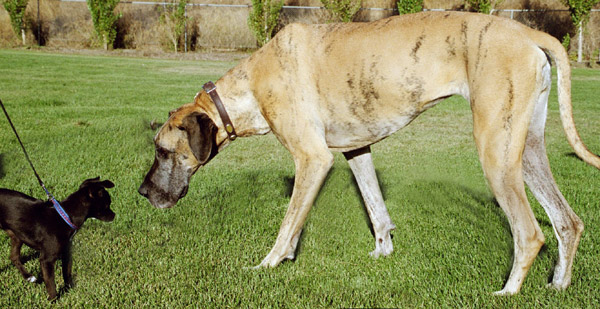
    It’s a sad statistical fact that larger breed dogs have shorter lifespans than smaller species. This is most likely due to the fact that their bigger bodies partake in more exercise and are put under more stress than a smaller dog, leading to increased wear and tear on organs, muscles, joints and coronary system.

    While a smaller dog is generally expected to live up to and sometimes beyond 14 years, larger breeds are considered senior citizens in the canine world as early as their sixth year, with the majority living to between 8 and 12 years old. As such, it’s important for owners of larger breeds to take extra care of their larger dogs to help ensure they reach their genetic potential, achieving optimal health span and a long life span.

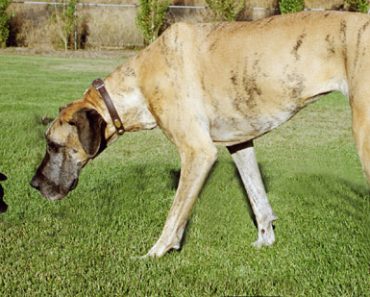
    Big_and_little_dog

    Breed size and lifespan

    There are a number of reasons why larger dogs don’t reach the older ages that their smaller friends tend to achieve. Amongst others, these reasons include:

    Over-eating. The tendency to feed up bigger dogs can be more prevalent than with smaller ones, leading to obesity. In fact, a study of 23,000 dogs from private veterinarians across Kansas from the Mark Morris Institute found that more than a quarter of the test subjects were overweight. Such obesity is a catalyst for life-threatening diseases and ailments.

    Increased stress. The added exercise and strain that large breeds undertake puts greater stress on their bodies.

    Common joint issues. Larger breeds are more susceptible to joint issues such as hip dysplasia and arthritis, which can result in less exercise and thus obesity.

    What can you do to enhance your big breed’s life and healthspan?

    Fortunately, if you follow a few simple rules you can almost negate entirely the negative side-effects that a larger body weight entails in dogs. These guidelines will provide you with a basic structure for ensuring your large breed lives just as long as his canine brethren.

    1) Nutrition, nutrition, nutrition

    During 10 years of learning Eukanuba recently found that almost 90% of a group of 39 Labradors Retrievers fed Eukanuba, together with receiving appropriate care (regular exercise, socialisation, veterinary care), lived beyond the breed´s typical 12 years life span.

    In addition to this almost a third (28%) of the dogs achieved exceptional longevity by living beyond an incredible 15.6 years.* Utah is one of those dogs who lived to an incredible 17 years and 11 months.

    Meanwhile, the Kennel Club guidelines highlight a need to focus on bone density and joint comfort in big breeds, and that necessitates a diet containing calcium levels tailored to your dog’s age and breed. You’ll also want to ensure that your big dog’s diet includes kibble containing plenty of glucosamine and chondroitin to promote cartilage health. And remember, bone health is best addressed when your pet is still a puppy and the bones are developing.

    2) Avoid obesity

    As mentioned above, obesity is at epidemic proportions. Two portion controlled meals a day following feeding guidelines – are optimal for maintaining a healthy weight. One of the chief pitfalls to be aware of is overfeeding your large-breed dog, as weight gain puts undue pressure on joints and can lead to problems down the line.

    3) Stay active

    Make sure your dog gets enough chance to work off those calories by stretching their legs regularly, during a walk of at least thirty minutes a day, (an hour is even better). Keeping a trim and lean dog will do wonders for their long-term health.

    4) Provide adequate dental care

    Pooches over the age of three years are at risk of developing gum disease, say the American Society for the Prevention of Cruelty to Animals (ASPCA). This can act as a gateway for further dental problems, which can spread throughout the body and seriously curtail their life expectancy. You’ll want to ensure you maintain your pup’s dental health with daily brushing, dental checks at the vets and feeding a Eukanuba diet which contains a special tooth cleaning mineral to help reduce tartar build up by up to 80%* tartar-controlling treats and chews, as well as regular cleanings.

    Big breed dogs are lovable, huggable family members—but caring for them properly is a bit different than for a Chihuahua. Make sure you look after their health with care, and you could enjoy many long years with your pup’s companionship.

  • 9 out of 10 dogs love Butcher’s…it’s official!

    9 out of 10 dogs love Butcher’s…it’s official!

    During October, 100 dogs participated in the Butcher’s 10-Day Taste Challenge where owners swapped their dog’s food for a variety of recipes from Butcher’s. They’ve now shared their stories and the results are in and speak for themselves!

    Nine out of 10 owners said that their “dogs love Butcher’s”, devouring the meaty recipes throughout the challenge.

    In fact, dogs loved Butcher’s so much that over 8 of 10 (81%) owners said they would continue to feed their dog Butcher’s and 86% said they were happy to recommend it to other owners.

    http://i.imgur.com/Xfzx18c.png
    Teddy, K9 and Bruno, pictured above, took part in the Challenge,
    learn more about them here

    The Butcher’s 10-Day Taste Challenge was the first of its kind in the UK and hundreds of dog owners jumped at the chance to participate. Showing just how important it is to us as pet owners to know our dogs are being fed the best possible diet, owners were keen to swap their usual dog food for delicious meals made with fresh, meaty natural ingredients and no artificial flavourings for 10 consecutive days.

    Proof is an empty bowl, with 74% being licked clean, and the appearance of the dogs, with 8 out of 10 owners giving their dogs 8 or above (out of 10) for a very shiny coat and bright eyes.

    Lucy Weston, owner of German Shepherd, Pickle, who also took part in the Challenge commented: “Butcher’s gets 10 woofs out of 10 from Pickle! People have commented on the improvement they have seen in him saying how healthy he looks and that his coat is really shiny. Pickle’s dad, Cracker, felt left out so we involved him in the Challenge too, therefore it’s 100% approved by two generations!”

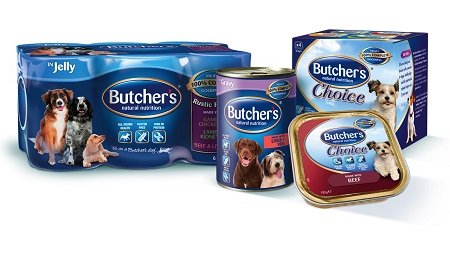
    Butcher’s offers a range of meaty natural dog food in a can or a foil tray and in a variety of delicious recipes. It can be fed as a main meal on its own or as a tasty meaty topping to a dry meal. Each recipe of Butcher’s provides a 100% complete dinner – every recipe has been developed with leading nutritionists so owners can be sure their dog is getting all the meaty proteins, vitamins and minerals they need to be as Fit as a Butcher’s Dog™. What’s more, they are made with fresh, meaty natural ingredients and no artificial flavourings, with no fillers such as soya or wheat, so they are wheat gluten free too. A bowl of Butcher’s has everything a dog needs and nothing it doesn’t!

    See if your dog loves Butcher’s too!

    Butchers dog food range

    For more information on the 10-Day Taste Challenge and Butcher’s Pet Care, visit our website www.butcherspetcare.co.uk or like our Facebook page – www.facebook.com/butcherspetcare

  • Do You Know How Many Festive Foods Are Dangerous To Dogs?

    Its well known turkey can cause serious harm to dogs but did you know foods as varied as mince pies, Christmas cake which contain raisins or sultanas, onions and leeks, can also be poisonous for dogs?

    According to research released by Sainsbury’s Pet Insurance,  staggering 92% of vets surveyed by the insurer have treated a cat or dog suffering from illness or injury caused by Christmas-related festivities.

    Animal health firm, Forum Animal Health, have offered the following advise to anyone concerned their dogs have consumed any harmful foods:

    Owners often don’t recognise what is poisonous and they don’t know what to do if there is a problem. Their instinctive response is to wait and see. However, animals need to be treated quickly before the food has passed through their stomach. A dog needs to be brought in within two hours of ingesting these swallowing dangers; if it takes longer they can suffer more, or in the worst cases the delay can prove fatal.

    1. Stop the dog eating any more.
    2. Phone your vet – check their location and that they can receive the emergency.
    3. Collect and take with you the wrapper or packaging.
    4. Take your dog to the vet as quickly as possible and be prepared to be at the vets for a while.

    To read more about seasonal dangers to dogs, read K9 Magazine’s more in-depth feature here


  • Your Dog is Up for Taking the Butcher’s 10-Day Taste Challenge… Are You?

    At Butcher’s Pet Care, we believe dogs will enjoy their dinner so much more when they are served one of our tasty meaty meals. We guarantee to get them licking their lips.

    Butchers_10-day-challenge

    Why? Because every dinnertime, you’ll be giving your dog a delicious meal made with fresh meat and no artificial flavourings.

    Each delicious Butcher’s meal has been developed with leading nutritionists so you can be sure your dog is getting all of the meaty proteins, vitamins and minerals they need to be as Fit as a Butcher’s Dogâ„¢.

    What’s more, there are no artificial flavourings and no fillers such as soya or wheat, so they are gluten free too. A tasty bowl of Butcher’s is made with natural ingredients and has everything that your dog needs and nothing it doesn’t!

    Clare Scallon, from Butcher’s Pet Care, comments: “Dogs love the meaty taste of Butcher’s, which is made with fresh meat and no artificial flavourings. We’ve decided to launch the 10-Day Taste Challenge to encourage dog owners to swap their pet’s meals to see how happy Butcher’s makes them.”

    “We are confident dogs will devour their meals and owners will love giving it to their pet. We’d like to encourage all dog owners to serve Butcher’s for 10-days – we are confident of an empty bowl and a wagging tail at the end of each meaty meal.”

    Butchers dog food range

    Butcher’s offers a range of more natural dog food in a can or a foil tray in a variety of delicious recipes. Packed full of all of the vitamins and essential nutrients your dog needs, Butcher’s can be fed on its own as a main meal or to add natural meaty taste to a dry food. All of Butcher’s delicious dinners are 100% complete so dog owners can be sure every dish includes everything your dog needs to keep him happy and healthy.

    The Butcher’s team will select 100 lucky participants and deliver a 10-day supply of free food to the dogs who have been invited to take part. The owners will then be asked to share how their dog reacts to tasting the delicious meaty dinners from Butcher’s during the 10-Day Taste Challenge.

    For more information on the 10-Day Taste Challenge and Butcher’s Pet Care, like our Facebook page – www.facebook.com/butcherspetcare – or visit our website www.butcherspetcare.co.uk

    Fit as a Butcher's dog

  • Dog-friendly Tropical Chicken Salad Recipe from the K9 Cafe

    Dog-friendly Tropical Chicken Salad Recipe from the K9 Cafe

    In this final installment of our video recipes from the Direct Line ‘K9 Cafe’ showcasing four dog friendly recipes, here’s a recipe perfect for the summer months – a Tropical Chicken Salad.

    Presented by TV chef and dog lover James Martin who helped to launch the ‘K9 Cafe’ to showcase some expertly crafted recipes with the help of vet Marc Abraham to educate pet owners on exactly what they should and most importantly shouldn’t feed their dogs.

    Here is the video and recipe for their dog friendly tropical chicken salad – yum!

    Let us know how you get on and what your dog thinks!

    dog eating photo
    Photo by Carters Collection
  • Dog-friendly Cheese and Kale Frittata Recipe from the K9 Cafe

    Dog-friendly Cheese and Kale Frittata Recipe from the K9 Cafe

    Following on from our recent videos from the Direct Line ‘K9 Cafe’ showcasing their dog friendly recipes, here’s a third video from the series with TV chef and dog lover James Martin to educate pet owners on exactly what they should and most importantly shouldn’t feed their dogs.

    Direct Line opened the ‘K9 Cafe’ to showcase a range of expertly-crafted recipes for dog owners and their dogs following a recent survey which showed that a third of those surveyed were concerned about their dog’s diet, 68 per cent of whom were worried their pets weren’t getting the right nutrition.

    Here is the video and recipe for their dog friendly cheese and kale frittatas – tasty and packed full of nutrients.

    Let us know how you get on and what your dog thinks! Visit the Direct Line website to see the fourth and final video recipe: https://www.directline.com/pet-insurance/health


    happy dog photo
    Photo by Emery_Way
  • Dog-friendly Raspberry Muffins Recipe from the K9 Cafe

    Dog-friendly Raspberry Muffins Recipe from the K9 Cafe

    Following on from our video recipe from the Direct Line ‘K9 Cafe’ showcasing their recipe for dog friendly sweet potato and white fish bake, here’s a second video from the with TV chef and dog lover James Martin to educate dog owners on exactly what they should and shouldn’t feed their pets.

    The pet insurer launched the ‘K9 Cafe’ to showcase a range of expertly-crafted recipes for dog owners and their dogs. Once made the show’s own canine experts then sample to give their verdict.

    Here is the video and recipe for their dog friendly raspberry muffins.

    Let us know how you get on and what your dog thinks! Tune in next time for a third video from the series or see them online now: https://www.directline.com/pet-insurance/health


    dog muffin photo
    Photo by EGCalso
  • Dog-friendly Sweet Potato and White Fish Bake Recipe from the K9 Cafe

    Dog-friendly Sweet Potato and White Fish Bake Recipe from the K9 Cafe

    A recent survey by pet insurer, Direct Line, discovered that one in five pet owners worry about whether they are feeding their dogs the right diet while just over two thirds were worried their pets were not getting the right nutrition. With many foods often associated with good health for humans such as raisins, grapes or onions being potentially lethal to dogs, Direct Line has opened the ‘K9 Cafe’ with TV chef and dog lover James Martin to educate dog owners on exactly what they should and shouldn’t feed their pets.

    The ‘K9 Cafe’ launches with four videos which see James Martin and vet Marc Abrahams turning their hands to some canine cordon bleu, to showcase a range of expertly-crafted recipes for dog owners and their dogs. The show’s very own four-legged experts are then invited to sample the results once the recipe is complete.

    Here is the video and recipe for their dog friendly sweet potato and white fish bake.

    Let us know how you get on and what your dog thinks! Tune in next week where we’ll be running a second video from the series or see them online now: https://www.directline.com/pet-insurance/health


    dog eating photo
    Photo by Magnus Bråth


  • Christmas-Themed Foodie Fundraising Ideas

    Christmas-Themed Foodie Fundraising Ideas

    During the winter, everything seems expensive: bills go up because we need to heat our houses; there are gifts to buy for Christmas and extra warm clothing to stock up on.

    Unfortunately in recent years the usual expense of winter has been coupled with general financial hardship as the economic climate remains poor. One of the first things that people do to save money is to cancel ‘unnecessary’ direct debits – and unfortunately, many people stop making regular donations to charity as a result.

    AA001170

    An added problem is that the kind souls who often raise money for charity during other times of the year are often too busy to help over the Christmas period. Also, many volunteers who run shops and help out at animal shelters for animal charities such as the RSPCA are simply unable to do so over Christmas. The RSPCA, meanwhile, has a greater-than-ever need for continued support because they, too, face larger than average bills as they strive to keep the animals in their care fed and warm.

    Could you raise money from others by doing some easy fundraising this year? The RSPCA Choices website has a selection of great causes that you could choose to support, giving you a say over how your money is spent. For instance, you could raise money for your local shelter, or for veterinary treatment of cats, or to support the RSPCA’s Everyday Heroes (their Inspectors, who rescue and protect animals and pets that have been abandoned, neglected or abused).

    If you do have that time, then here are some lovely, easy fundraising ideas with a Christmas theme to get you started.

    • Gingerbread men are easy and cheap to make. If you turn a gingerbread man upside down, so that his legs are where his head would normally be, you can decorate him to look like a reindeer! The legs can be decorated to look like antlers, the arms decorated to look like ears, and you can use half a cherry for the reindeer’s nose (which is actually the gingerbread man’s head).
    • Decorate candy canes. Imagine that you are holding the candy cane upright by the long stem. Tie pipe-cleaners round the bend of the cane and forming antlers with them. Add a pair of googly eyes near the top of the cane, and a round, red sticker on the very end.
    • Make reindeer Florentines. Put blobs of melted chocolate and flatten them slightly with the back of a spoon until they are about as round as a Satsuma. Add two slivers of sliced almond for ears, and two strips of liquorice (with snips in the top end) to form antlers. Add two silver balls used to decorate cakes as eyes and half a cherry for a nose.
    • Put these items into cellophane baggies and tie with a nice ribbon, to sell to friends, colleagues or at local fundraising events (or ask your child’s school or local church if you can sell them). Promote your sales through the RSPCA Choices site that lets you share the details online with your own easy-to-design webpage.
  • Is Meat Diet Good For Dogs?

    Is Meat Diet Good For Dogs?

    Meet Bluey, he was an Australian cattle dog, born June 7, 1910, who worked among sheep and cattle for 20 years, and survived until Nov. 14, 1939, when he was put down. He had lived for 29 years, five months and seven days. His secret to extraordinary longevity?

    Well, according to his owner Bluey lived on a diet of…wait for it….Kangaroos and Emus. He was the world’s oldest dog, a record that has never been beaten.

    If we were to take this discussion in a fairly linear direction a + b = c. Dogs who live on a diet of Kangaroos and Emus live until a grand old age.

    Dog_Bluey

    Of course, life (and death) is not so simple. Nor would it be so easy to get a regular supply of Kangaroo and Emu meat, but that’s by the by, the principle of Blue’s diet was meat is good.

    Are you weighing up the possibility of feeding your dog on a raw diet? Read this: Raw dog food pros and cons.

    Dogs like Bluey might be the exception in terms of the type of meat that makes up the largest proportion of their daily diet, but dogs around the world tend to live on meat and enjoy doing so. Cartoonists have been depicting dogs chasing a string of butcher’s sausages for generations.

    So why is it that according to the Butcher’s Healthy Happy Hound report that only 14% of dogs are being given a solus meaty dog food diet on a daily basis, while twice as many owners (29%) say they actually think their dog prefers it?

    Fit as a Butcher's dog

    Let’s tackle some of the more common questions, starting with the big one: Is a meat diet good for dogs?

    A: Most definitely, and there is no upper limit to the amount of protein a dog should eat.

    Although dogs have evolved over the years to take up firm positioning as one of the family, dogs are essentially at their core still carnivores and have the same dietary requirements as their ancestors.

    To ensure they get the right nutrients a dog’s diet must contain the right amount of protein, fat, vitamins and minerals.

    A wild dog would typically eat up to 90% meat with small amounts of fish and eggs, in addition to 10% of grasses, berries, nuts and vegetation.

    Is a meat diet good for dogs

    There are three factors that determine protein quality:

    1) Protein source – animal protein or plant & cereal protein
    2) Amino acid content – amino acids are the building blocks of protein, these blocks determine the quality of the protein
    3) Digestibility of the protein content

    Animal proteins are more ‘complete proteins’ because they contain all the essential amino acids required whereas plant and cereal proteins lack one or more of the essential amino acids and are therefore considered ‘incomplete’. Animal proteins are also more digestible than plant and cereal proteins, hence animal proteins have a higher bio-availability.

    It is important that all essential amino acids are present, if an essential amino acid is missing or there is not the correct level/amount, then protein metabolism stops. Protein is vital for cell maintenance and growth and for dogs can also provide most of their energy requirements.

    Food such as Butcher’s complete foods are developed to meet all nutritional requirements a dog needs in a highly palatable meaty recipe.

    A high quality complete diet will give dogs all the essential vitamins and minerals to the need to keep them happy and healthy, lean and fit with everything they need to maintain a healthy, active lifestyle.

    Brought To You By Fit & Fun Dog Month 2013

    Fit & Fun Dog Month sponsored by Butchers Lean & Tasty

    ‘Keep as Fit as a Butcher’s Dog’

    You may now be thinking: will my dog’s miss out on other things, like carbohydrates if they eat a solely meat based diet?

    By choosing a good quality complete meat based diet your dog will be getting all they need.

    Remember, our dogs bodies are made for meat.

    Dogs have a short digestive tract not suitable to digesting a high carbohydrate diet and their mouths have sharp teeth and strong jaws designed for ripping and shredding not grinding grains and vegetation.

    Meat is packed full of the goodness needed to ensure their coats stay healthy, eyes bright and that they have enough energy to go about their day, their strong acidic stomach will help break the meat down ensuring they get all they need.

    Dogs naturally need meat as part of a balanced diet – if you were to give your dog a choice, what would they choose?

    That isn’t to say your dog won’t enjoy the occasional treat and that given the chance to scavenge and serve themselves as if the home were their own self-service buffet they would allow the opportunity to pass.

    Dogs in the wild were hunters and scavengers which explains why they think food left out in our homes seems fair game to them. Not only will our dogs consume everything that drops on the floor, given the chance they will rifle through dustbins, and given the opportunity take it straight from a plate. After all, if you have ever fed your pet from the dinner table they will forever believe that they are entitled to it at any mealtime.

    But too many treats outside of their diet can lead to body condition and weight problems and potentially even cause medical issues.

    The advantages of choosing a naturally meaty dog food diet are many. Health and longevity are increased and the diet can be tailored to individual needs.

    Maybe old Bluey really was on to something, eh?

    Butcher’s Lean & Tasty meaty complete meals with 30% less fat is a more natural dog food, as are all of the Butcher’s products, because they contain no artificial colours, flavours or preservatives.

    Butchers-Lean-and-Tasty-dog-food-pack

    Visit the Butcher’s Pet Care website and use the tool to find the right food for your dog – butcherspetcare.co.uk

  • How Much Fun Would Your Dog Have As A DockDog?

    Dock jumping, the World’s premier canine aquatics competition, also known as dock diving, is a sport where dogs compete in attempting to make the longest or highest distance in to a safe body of water, typically a pool set up by the event holders.

    Dock jumping events now take place all across the globe ever since the sport made its debut in 1997 at the Incredible Dog Challenge.

    Read more online at: http://www.k9magazine.com/dock-dogs

    Brought To You By Fit & Fun Dog Month, sponsored by Butcher’s Lean & Tasty, a more natural dog food brand.

    Fit & Fun Dog Month sponsored by Butchers Lean & Tasty

    ‘It’s Fun to be as Fit as a Butcher’s Dog’