Category: Health

  • Can Crossbreed Dogs Get Diabetes?

    Can Crossbreed Dogs Get Diabetes?

    November is National Diabetes Month for humans, but due to diabetes becoming more prevalent in domestic dogs, Austin Veterinary Diagnostic Hospital considers this month a call to action for dog owners, as well.

    Diabetes mellitus is the most common form of diabetes in dogs, and it can be a difficult and deadly disease. Prevention is possible, and early detection and management are key.
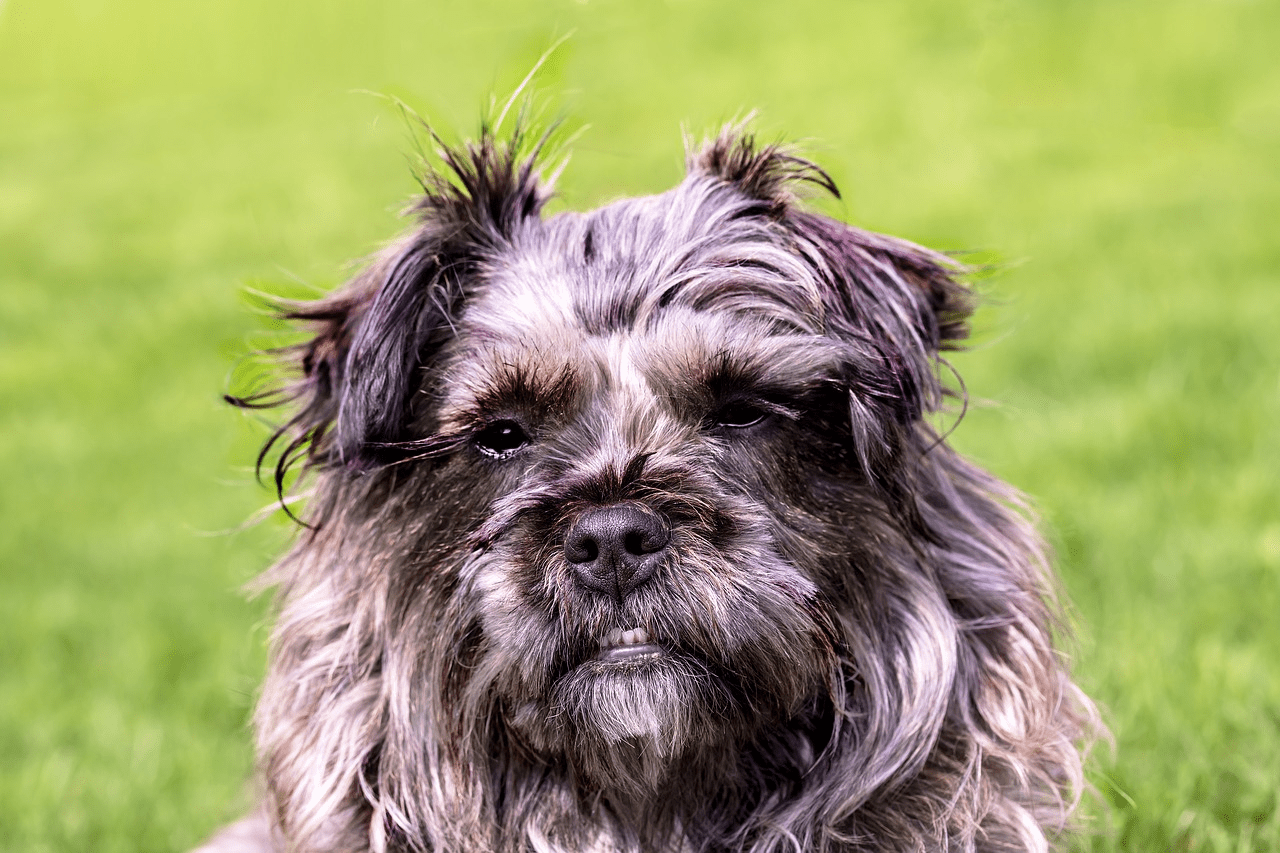
    How will you know if your dog is at risk for diabetes? Genetics certainly play a role, with some breeds being more predisposed. These breeds include Poodles, Bichons, Miniature Pinschers, Schnauzers, Samoyeds, Australian Terriers, and Siamese cats.

    As online search analytics have revealed, there are a growing number of people who are confused as to whether diabetes can affect crossbreed dogs or whether the disease is exclusive to pedigrees.

    In reality, many mixed breed dogs are also afflicted with diabetes. Obesity is another important risk factor for developing diabetes, and almost all dogs diagnosed with diabetes present to their veterinarian as overweight.

    Symptoms of diabetes in your dog include a significant increase in the following:

    · Thirst
    · Urination
    · Apdogite

    dog owners may also notice the following changes:
    · Urinary accidents in the house
    · More puddles of urine in the litterbox
    · Needing to refill the water bowl more often

    Since there are other disease processes that can present these symptoms, your veterinarian will rely on a physical examination, bloodwork, and other tests to correctly diagnose.

    Most dogs are middle-aged when they acquire diabetes. Either their body stops producing enough insulin (the hormone that regulates blood sugar levels), or the insulin produced is not effective.

    Type 1 diabetes is most commonly seen in dogs, and requires lifelong insulin supplementation, usually in the form of twice daily injections under the skin.

    Cats more often have Type 2 diabetes, where insulin may still be made by the pancreas but is ineffective. Cats are also managed with daily insulin injections.

    Another key component of diabetes management is the dog’s diet. A diet low in carbohydrates that is specially formulated for diabetic dogs helps keep their blood sugar levels in an appropriate range throughout the day. When it is not well-managed, diabetes can cause health complications as this disease will make your dog more prone to certain infections and metabolic consequences.

    Diabetes can be a frustrating disease for dog owners and requires a great deal of commitment, but if it is well-managed both owners and dogs can still have good quality of life.

    Dr. Kneupper shares helpful tips for dog care in a monthly column featured in the Oak Hill Gazette. The community is invited to take a tour of the hospital to meet the friendly staff, including Dr. Sarah. Please call (512) 288-1040 for more information or to schedule an appointment.
  • Symptoms of Diabetes in Dogs

    Symptoms of Diabetes in Dogs

    Did you know that more dogs than ever are being diagnosed with diabetes? In fact, one insurer has reported that there has been a 900% rise in dogs being diagnosed with the condition since 2011.

    Some vets suggest that diabetes may be more common in overweight or female dogs who risk developing after the age of 6, while others say a dog’s breed may leave them predisposed.

    Australian Terriers, Schnauzers, Poodles, Samoyeds and Golden Retrievers, for example, are sometimes highlighted as at-risk breeds.

    Diabetes can be more common in older dogs and because of this, often owners mistake their older dog suddenly breaking house rules and toileting inside as being age related, when in fact it can be one of the most common symptoms of diabetes in dogs.

    Some of the most common early symptoms of diabetes in dogs include:

    – Sudden excessive thirst

    Dogs suffering from diabetes can be prone to becoming dehydrated, particularly in hot weather.

    If you have a dog that suddenly develops a higher than normal thirst level or more frequent need to urinate, it’s important to speak with your vet and keep a close eye on your dog for other signs of diabetes.

    – Increase in panting and wanting to go outside to urinate

    The latter can be linked to drinking more water than normal as a result of feeling dehydrated, but even the colour of a dog’s urine can be a tell-tale sign as a symptom of diabetes mellitus (also known as sugar diabetes) and canine diabetes insipidus.

    So if your dog suddenly needs to go to the toilet more than normal, inside or out, and you feel something isn’t right about the colour of your dog’s urine, then you should speak with your vet.

    – Sudden weight loss or increased appetite

    Weight loss or an increase in a dog’s appetite are often linked to diabetes because the dog’s body is processing and converting food differently.

    Diabetes mellitus is the type of diabetes seen most often in dogs and it is essentially a metabolism disorder which alters how the body processes food for energy.

    Typically, once we eat, the body breaks down the nutrients of our food, converting some of the nutrients into glucose which becomes a source of energy for our body’s cells and organs. It then gets absorbed into our intestines and into the bloodstream before filtering through our body’s system.

    Our body also produces insulin, which is released from the pancreas. Insulin takes hold of the glucose which our body has created from the bloodstream (alongside other nutrients) and uses as fuel.

    With diabetes, whether in humans or dogs, diabetes happens when the relationship between glucose and insulin stops working as it should.

    This is why when a dog is diagnosed with Type 1 or 2 diabetes, they will often have to change diets to a specialist diabetic dog food which has been created specifically for dogs with the condition.

    Individually, these three common diabetes pointers can be harmless symptoms of nothing more than ageing – but if they are early pre-cursors to diabetes, spotting it early could very well save your dog’s life.

  • What Do You Know About Raised Dog Bowls?

    When you own a dog of a particular size you need to get acquainted with the subject of raised dog bowls – particularly if your dog is preparing to enter their senior years because it could save them a lot of discomfort in their later years.

    Why?

    1. Raised dog bowls help to elevate your dog’s eating position, meaning they have less of a distance to stoop to eat and less pressure is put on them (specifically their neck) as they bend to eat. The less strain that’s put on them in their younger years, the less pain they will potentially suffer if arthritis sets in. It’s a small step to take to try to ease your dog’s discomfort as they age.
    2. Elevated or raised dog bowls come in different styles, shapes and sizes. Some are wall mounted, some are stainless steel and easy to wash, others are plastic or you just buy the dog bowl stand and match with your own bowls. Some come in different designs and colours, meaning you can tone to match or compliment your decor.
    3. Although we’ve touched on the benefit of the raised dog bowl for medium to larger dog breeds, in fact the same benefits apply to all dog breeds. The less distance any dog has to stoop to eat and the easier you make it for them to eat closer to their natural height, the better.

    It’s all about creating a happy, healthy future for your dog. That’s why we decided to look into the concept of these bowls – let us know if you have and how you got on!


  • If Your Dog Is Prescribed Drugs, It’s OK To Ask These Questions

    If Your Dog Is Prescribed Drugs, It’s OK To Ask These Questions

    We take our dog to the vet. There is something wrong. We come home. We have a box of pills, we give them as instructed. How many of us actually question just what it is, exactly, that we’re putting in to our dog’s system? Vets are a busy bunch. They’re smart and you should definitely listen to what they have to say. But it’s also totally fine to ask them what it is they’re advising us to give to our dogs.

    “Just as you would talk to your doctor about a medicine prescribed for you or your children, you should talk to your veterinarian about your pet’s medications,” says Bernadette Dunham, D.V.M., Ph.D.

    Here are 10 questions you should ask your vet when medication is prescribed.

    1. Why has my pet been prescribed this medication and how long do I need to give it?

    Your veterinarian can tell you what the medication is expected to do for your pet and how many days to give it.
    2. How do I give the medication to my pet? Should it be given with food?

    Your pet may have fewer side effects, like an upset stomach, from some drugs if they are taken with food. Other medications are best to give on an empty stomach.
    3. How often should the medication be given and how much should I give each time? If it is a liquid, should I shake it first?

    Giving the right dose at the right time of the day will help your pet get better more quickly.
    4. How do I store the medication?

    Some medications should be stored in a cool, dry place. Others may require refrigeration.

    5. What should I do if my pet vomits or spits out the medication?

    Your veterinarian may want to hear from you if your pet vomits. You may be told to stop giving the drug or to switch your pet to another drug.

    6. If I forget to give the medication, should I give it as soon as I remember or wait until the next scheduled dose? What if I accidentally give too much?

    Giving your pet too much of certain medications can cause serious side effects. You’ll want to know if giving too much is a cause for concern and a trip to the animal emergency room.

    7. Should I finish giving all of the medication, even if my pet seems to be back to normal?

    Some medications, such as antibiotics, should be given for a certain length of time, even if your pet is feeling better.

    8. Could this medication interact with other medications my pet is taking?

    Always tell your veterinarian what other medications your pet is taking, including prescription medications, over-the-counter medicines, and herbs or other dietary supplements. You may want to write these down and take the list with you to the vet’s office.

    9. What reactions should I watch for, and what should I do if I see any side effects?

    Your veterinarian can tell you if a reaction is normal or if it signals a serious problem. You may be asked to call your vet immediately if certain side effects occur.

  • Putting Clothes on Dogs Could Lead to Skin Problems, Experts Say

    A recent survey has claimed that there is a link between dogs who wear clothes and the rising number of dogs who suffer from skin conditions.

    The findings, which have been released by Direct Line Pet Insurance say that a third of vets tell them the main reasons for this are clothing rubbing against the skin, while others claimed the clothes could cause stress and dogs may overheat as a result of the extra layer.

    Despite owners worrying that their dogs may be cold in the winter, advice from veterinary professionals is that they typically don’t need to wear clothes. Their skin is well protected with hair and, although they may get wet, they dry off quickly and rain is unlikely to do them any harm.

    Commenting on the findings Dr Andrew Francis RCVS, Chief Operations Officer at Pawsquad, said: “Owners should be mindful that sometimes putting their dogs in clothing can cause skin damage, as the added materials can irritate a dog’s skin. Skin disease is the most common reason for people seeking an online veterinary consultation and, while easily treated, can cause problems if left for a long period of time. If any owner is concerned their dog may be suffering from skin disease they should speak to a vet.”

    5 Most Common Breeds Susceptible to Skin Conditions

    To help dog owners who are concerned but aren’t sure if they should visit their vet yet, Direct Line Pet Insurance has partnered with Pawsquad to offers its customers access to live chat and video calls with qualified, experienced vets to discuss their pet’s needs 24/7.

    Prit Powar, head of Pet Insurance at Direct Line said: “We are delighted to announce our partnership with Pawsquad, as it means our customers are able to speak to a qualified vet any time, night or day, for additional peace of mind and without affecting the cost of their premium. We would always urge customers to see a vet in person if it is an emergency but for those cases, like skin disease, which may not need a face to face meeting the service will be invaluable.”

    Clothes Might Not Be the Only Reason a Dog’s Skin Is Irritated

    While clothes undoubtedly don’t help some dogs, there are other common reasons a dog’s skin might be irritated.

    Common reasons include seasonal allergies (even grass), to household laundry products, so consider if you have recently switched fabric conditioners if your dog is having problems.

    Hot spots on a dog’s skin can also be caused by allergies to parasites, such as fleas.

    According to Dogadvice.co.uk, “Quite a few dogs are so sensitive to fleas, the bite of one flea is sufficient to trigger the dog to itch all over. Any sort of injury can begin the process which the dog then exacerbates by relentless chewing and licking which in turn results in a vicious cycle and will cause the hot spot to spread.”

    Make sure you keep your dog flea free using a suitable flea treatment for dogs for safety and speak with your vet to make sure the underlying cause of the skin problem is resolved so that your dog doesn’t experience on an ongoing basis.


  • This Event Happens Every Year & It Can Be Very Dangerous For Dogs

    This Event Happens Every Year & It Can Be Very Dangerous For Dogs

    Since dogs were invented they’ve managed to find many spectacular, weird and not so wonderful ways of getting themselves in trouble. Actually no. That’s not strictly true. You see, dogs in the wild don’t tend to find themselves in dire emergencies as a result of some of the things that legitimately do kill our domestic canine pals. So it is in fact dogs living in our human world that need to be protected from things that are perfectly harmless – or even fun – for us, but deadly for them. An event is around the corner that poses particular danger to dogs…

    http://i.imgur.com/38c1Bg3.png

    As hot cross buns, daffodils and chocolate eggs establish their place on supermarket shelves, a pet insurance specialist is urging dog owners to beware of the dangers of EASTER!

    With an abundance of chocolate around the house, Easter is well known as a time of over indulgence for humans but, according to NFU Mutual, pets could be put at serious risk of harm or even die if they join the Easter excess.

    Rebecca Davidson, Insurance Specialist at NFU Mutual, said: “It is well known that chocolate is poisonous to dogs and can even prove fatal but pet owners may be unaware that raisins, currants and sultanas, found in hot cross buns or Simnel cake, are also toxic. Add to the ingredients some foil packaging or cake decorations, and you are looking at a recipe for disaster.”

    Chocolate contains a stimulant called theobromine (rather like caffeine) that is poisonous to dogs if eaten, while the compounds found in sultanas, currants and raisins can cause rapid kidney failure.

    Other risks around the home at Easter include traditional spring flowers, such as daffodils and tulips, which are toxic to pets. As well the flowers being dangerous, water drunk from a vase of daffodils can make dogs unwell.

    In 2016, the average vet’s bill for dogs who had eaten the wrong thing was £600¹. Rat poison or slug pellets continued to be the most common culprit, while nearly one in four claims involved chocolate and nearly one in ten dried fruit or grapes.

    Rebecca added: “Dogs will eat almost anything and swallowing toxic substances and foreign objects takes place all year round. Stones, socks, skewers and even half a doormat were on the list of ingested items that made dogs unwell last year.”

    “As a nation of dog lovers, the last thing we want to do is put our four legged friends in danger so it’s worth taking some extra precautions this Easter to avoid an emergency visit to the vet.”

    Easter danger list for dogs:
    1 Chocolate – keep Easter eggs well out of your dog’s reach and make sure your dog doesn’t find any leftover ‘treasure’ from Easter Egg hunts
    2 Anything with currants, raisins or sultanas – so hot cross buns and simnel cake are all off the menu
    3 Bones from cooked food – especially chicken bones
    4 Easter flowers – such as daffodils, tulips and crocuses and bulbs
    5 Alcohol

  • Are Squeaker Toys Dangerous to Dogs? Read This

    Are Squeaker Toys Dangerous to Dogs? Read This

    Jake Rose, a six-month-old Cocker Spaniel, was rushed to Blackpool’s PDSA pet hospital after the inquisitive puppy accidentally swallowed the squeaker from his favourite toy.

    Owner Joanne Rose, (42) from Warton in Preston, said: “Jake was playing with his favourite soft toy when he ripped it apart and pulled the squeaker out. I did my best to get him to drop it but within seconds he swallowed it whole!

    “In a state of sheer panic I rang PDSA ­and they told me to bring him in straight away.”

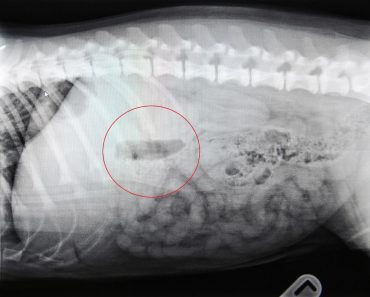
    X-rays confirmed that Jake required immediate surgery to remove the squeaker from his stomach.

    Joanne added: “I was completely devastated to find out that my bouncy little pup needed life-saving surgery. Jake is so loving and I was beside myself with worry.”

    PDSA Vet, Terry Ogdin, said: “As a small puppy, Jake was more at risk of complications from swallowing the squeaker than a larger dog, which is why immediate surgery was critical. If left untreated, the squeaker would have passed through into his intestines and may have caused a tear or blockage, which can be fatal.

    https://i.imgur.com/RAglalO.jpg

    “Luckily, Joanne acted quickly and rushed him to PDSA before the squeaker had time to reach the intestines and cause any damage.”

    Jake’s operation took over an hour but he made an amazing recovery and was allowed home the very next day. Joanne spent the next week nursing her beloved puppy around the clock to ensure he made a full recovery. She said: “Thankfully he has recovered really well and we’ve been able to take him back out for short walks on his lead.”

    “PDSA have been absolutely brilliant and we’re so pleased they were able to help Jake so quickly – it stopped the accident from becoming a serious disaster.”

    PDSA Vet, Terry, added: “During the festive period, it’s important to stop and think before giving your pet a toy that might be easily swallowed. To help avoid this from happening, owners should give their pets dog-specific, durable toys that won’t come apart easily. These should be an appropriate size for the dog to prevent swallowing or choking. If toys and chews are starting to look worn, it’s best to discard them straight away.

    “Training pets from a young age and using kind, reward-based methods to teach them basic commands such as ‘drop’ and ‘leave’ can help pets avoid swallowing harmful objects.”

    Joanne wanted to share Jake’s story to support PDSA’s ‘Save a Star’ campaign which is raising funds to support the emergency veterinary care that the charity provides. This Christmas PDSA will treat more than 50,000 sick and injured pets, many in need of emergency, life-saving surgery like Jake. She added: “I want Jake’s story to help raise awareness of the life-saving work PDSA does, saving thousands of sick and injured pets across the UK every day.”

  • If You Use This Flea Treatment Wrongly, Your Pet Could Die – Be Warned

    If You Use This Flea Treatment Wrongly, Your Pet Could Die – Be Warned

    The RSPCA has advised cat owners to carefully read the labels of flea and tick treatments before using them on their pets.

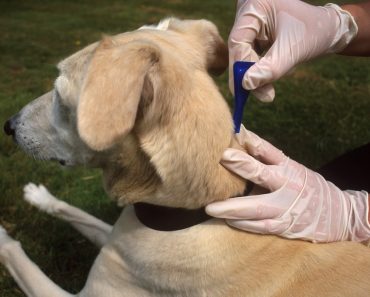
    The warning comes after the charity was contacted by a panicked cat owner who was very concerned for her 10-month-old cat who was fitting having been treated with a spot on flea and tick treatment intended for use on dogs.

    The woman, from Kenley in Surrey, got in touch with her local branch pleading for help after her cat started having fits. The cat was rushed to the vets but had to be put to sleep to prevent any further suffering.

    http://i.imgur.com/Cc3lB33.jpg

    The cat’s owner is very upset by the incident, which was made entirely in error, prompting the RSPCA’s warning to other owners.

    Flea treatments for both cats and dogs are readily available to buy over the counter. But some dog treatments contain permethrin, a chemical which is highly toxic to cats. And many treatments are not suitable for very young animals so it’s important to check labels carefully before use.

    RSPCA cat welfare expert, Alice Potter, said: “This was a very distressing incident for the owner of this cat who realised she had made a dreadful mistake but realised all too late.

    “Only give your pet flea treatment that has been recommended for them, it’s always best to speak to your vet about which products are safe to use and, if you have cats and dogs, be sure to read the labels carefully before administering.

    “Products suitable for one may not be suitable for the other. Some dog treatments contain permethrin which is safe for dogs but highly toxic to cats.”

    If your pet gets fleas it’s important to treat the animal and your home as fleas can survive in carpets and furniture for many months. Use a vet-recommended household and pet bedding flea spray.

    Clean bedding regularly and vacuum furniture, floors and skirting boards to help destroy fleas. Throw away the bag from the vacuum cleaner afterwards.

    Fleas are a parasite and can affect dogs, cats, rabbits and even humans. Some types can leap from host to host.

    Fleas only suck blood once they are adults but can live on pets for up to a 100 days, with females laying up to 50 eggs a day.

    If your pet is scratching or has visible insects (which could look like dark specks) in its fur then they could have fleas. Groom your pet with a fine-tooth comb over a white surface, any fleas or droppings will fall out. Add water and if the droppings turn reddish-brown, it’s likely they have fleas.

    As well as making pets uncomfortable, fleas can cause allergic reactions and can pass diseases to your pet, such as myxomatosis in rabbits. In really serious cases, flea infestations can make pets very weak and can even cause death as a result of blood loss.

  • What’s This Disturbing Canine Health Problem That Affects Dogs The Further North They Live?

    What’s This Disturbing Canine Health Problem That Affects Dogs The Further North They Live?

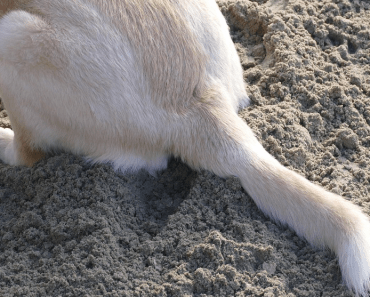
    A condition that makes dogs suffer pain in their tails is more common than previously thought and, strangely, seems to affect dogs the further north they live.

    Researchers at Edinburgh University have looked in to the causes of the illness, known as limber tail, which mostly affects larger working dog breeds, such as Labradors.

    The scientists say their findings are the first step towards preventing the distressing condition, which causes the tail to become limp and painful.

    http://i.imgur.com/Ot4iJej.png

    The studiers compared 38 cases of limber tail that were identified from owners’ reports about their dogs’ health with 86 dogs that had no tail symptoms.

    “We were surprised by how many owners were reporting limber tail to us but it meant we had the chance to do a detailed investigation.”

    Their goal was to gain insight into habits and lifestyle factors that might explain why some dogs are affected and not others.

    The majority of dogs in the study were pets but those affected by limber tail were more likely to be working dogs, they found.
    Risk factors

    Swimming has previously been thought to be a risk factor for limber tail, which is sometimes known as ‘swimmers’ tail’. Some but not all of the affected dogs had been swimming prior to the onset of symptoms, the study found.

    Dogs with the condition were more likely to live in northern areas, lending support to anecdotal reports that limber tail is associated with exposure to the cold.

    Genetics

    Labradors that had suffered limber tail were more likely to be related to each other than unaffected dogs, which may indicate an underlying genetic risk.

    Experts hope that further studies will identify genes associated with the condition, which could one day help breeders to identify animals that are likely to be affected. Over time, this could help to reduce the disease prevalence.

    The symptoms usually resolve within a few days or weeks so many cases are not reported to vets. This may be why it has been so underestimated in the past. However, owners report that it can be very painful and distressing for the animals.

    We have been able to add evidence to a lot of internet speculation about risk factors and the new findings relating to geographical region and family links give us avenues to pursue in understanding and avoiding the condition.

    The study is the first large-scale investigation of limber tail and was conducted as part of the Dogslife project, which follows the health and wellbeing of more than 6000 Labradors from across the UK.

    The study, published in the Veterinary Record, was funded by the Kennel Club Charitable Trust. The Roslin Institute receives strategic funding from the Biotechnology and Biological Sciences Research Council.

  • My Dog’s Been Diagnosed With Epilepsy, Help!

    Epilepsy is the most common neurological condition amongst dogs, affecting an estimated 5% of the canine population. A dog with epilepsy will begin to display symptoms between the age of 1 and 5 years. Epilepsy is a condition that causes the sufferer to experience seizures, which have no physical cause. It is believed to have genetic roots and is, therefore, particularly prevalent in some breeds such as the golden retriever and Labrador.

    https://dogadvice.co.uk/wp-content/uploads/2018/04/HcrUDBJ.png

    Of course, seizures can be indicative of a more serious condition such as a brain tumor or infection. Additionally, there is no test to confirm epilepsy. Subsequently, it is typically diagnosed after other possibilities have been discounted.

    As with human epilepsy, canine epilepsy cannot be cured. However, owners can take measures to reduce the severity and frequency of a dog’s seizures. There are many opinions over the best way to manage canine epilepsy. Therefore, it is wise for owners to familiarize themselves with the treatment options and make a decision based on their dog’s specific symptoms.

    Treatment

    In many cases of mild to moderate epilepsy, owners may decide not to place their dog on medication. Mild or moderate seizures are typically harmless to the dog. Although seizures may appear distressing, the dog will recover quickly and have no memory of the incident. This, coupled with the side effects caused by some drugs, leads many owners to decline medication.

    On the other hand, severe or cluster seizures can be more serious and in some cases life threatening. In this instance, the danger of the seizures will need to be balanced by potential side effects of medication. Although cessation of seizures is impossible, a dog’s epileptic fits and chances of brain damage or death should be dramatically reduced by available medication.

    Some people believe that it is wise to treat a dog’s epilepsy as early as possible, even if the symptoms are relatively mild, to prevent kindling. Kindling is a theory, which states that if left untreated seizures worsen over time. Therefore, early treatment will reduce the number of epileptic fits and, subsequently, the severity of seizures over a dog’s lifetime.

    Currently, there are many available drugs, including Phenobarbital and potassium bromide. Potassium bromide is believed to have relatively few side effects and has been used to control epilepsy in humans for over a hundred years. Phenobarbital is thought to offer better seizure management. However, it can cause liver damage, so it is imperative that a dog on this medication be checked every six months.

    If you do choose to place your dog on anti-seizure medication, it is essential that you do not suddenly stop the medication. Instead, the drug should be gradually decreased over a matter of months. Additionally, it is advisable to seek the guidance of a vet.

    Coping with a Seizure

    Dogs’ seizures are very similar to that of humans. Therefore, the same rules apply: never move the dog (unless their location places them in immediate danger), do not try to restrain their movements.

    Not all dogs experience seizures in the same way. For example, ‘absent seizures’ do not involve muscle convulsions; instead, the dog will be awake, but entirely unresponsive. Another common seizure is known as the ‘fly bite’ seizure, which causes the dog to bite the air around it. If your dog has epilepsy, it is a good idea to become familiar with its particular type of seizures and their severity. Any alterations should be cause for consultation with your veterinarian.

    After a seizure, you should try to reassure your dog and keep him, or her, comfortable. Your dog will notice your stress, so it is crucial to remain calm. It is also advisable to check your dog’s temperature, as seizures can cause overheating. Additionally, your dog is likely to have experienced a drop in blood sugar. Therefore, some owners choose to offer their dog some vanilla ice cream to boost sugar and cool body temperature.

    Article Source: http://EzineArticles.com/2980706

  • Fat Dog Needs Intervention – Now Look at The Transformation (Channel 5 Dog Rescuers)

    Fat Dog Needs Intervention – Now Look at The Transformation (Channel 5 Dog Rescuers)

    Alan Davies returns for an even bigger and better fourth series of ‘The Dog Rescuers’. Viewers will follow the familiar faces of the RSPCA’s finest, plus some new friends, as they continue their crusade against cruelty and neglect of dogs. The series features dramatic rescues, inspirational rehabilitations and heart-warming rehomings, plus the four-legged heroes who work on our behalf, new ways to bond with man’s best friend, and the life of a rescue pup from birth, through walkies, and all the way to adulthood.

    In this episode we meet an overweight whippet who has been spoiled by his elderly owner in Essex. Inspector for Essex Marie Hammerton responds to a call about an overweight whippet called Blue. With the help of a new diet and exercise regime from their vet, Blue must shed some pounds before there are any serious consequences.

    Blue the Whippet initially weighed 29kg and for the filming weigh-in for The Dog Rescuers has dropped down to 23.4kg. . In the month following this, he has continued his progress and lost another kilogram.

    Blue was fed a simple cup of biscuits a day, and was given strictly no snacks- apart from the occasional carrot. He also went on longer walks, multiple times a day and the whole family got involved in playing with Blue to keep him stretching his legs.

    Inspector Marie Hammerton was a prison officer for three years before turning her hand to animals in 2014. Her life has always revolved around animals and she dreamt of being an RSPCA inspector ever since she was a little girl with the hope of being able to rescue animals from desperate situations.

    RSPCA dog welfare expert Lisa Richards said: “Recent studies have suggested that around half of all pet dogs are overweight, and this can cause serious health and welfare issues for our dogs such as heart disease and diabetes. Being obese can reduce the length and quality of our dogs’ lives.

    The good news is that there are simple steps that owners can take to check that their pets are the right weight and keep them happy and healthy. And it’s always best to seek advice from a vet if you’re not sure if your pet is the right weight, or if you’re concerned that they might be overweight.”

    See Blue’s Amazing Transformation From Fat Dog to Healthy Hound

    Top ten tips for keeping your dog healthy from the RSPCA

    · If you think your dog might be overweight always consult your vet in the first instance.

    · As a guide – you should be able to see and feel the outline of your pet’s ribs without excess fat covering.

    · You should be able to see and feel your pets waist and it should be clearly visible when viewed from above.

    · Your pet’s belly should be tucked up when viewed from the side.

    · Get your pet weighed at the vets regularly if you are concerned.

    · How much your dog needs to eat depend on their diet, lifestyle and health. Read and follow the feeding instructions on any dog foods that you buy.

    · If you want to give your dog treats consider using low fat alternatives instead of shop bought treats try a small amount of cucumber, carrot or small pieces of chicken. Always consult your vet before doing this.

    · If you want to give your dog treats for example if you are training them you should incorporate this into their daily food allowance and reduce accordingly.

    · You could use playful interaction with your dog or a special toy as a reward instead.

    Always make sure your dog is getting plenty of exercise – how much this is depends on the age, health and type of your dog – but they should be going out for a walks at least once per day.

    In other stories, in Thornton Heath, South London, Inspector Nick Wheelhouse is called out to see three adult mastiffs and nine puppies who are all drastically underweight. Will Gaza, the mother and the skinniest of the dogs, be able to regain the weight she so desperately needs.

    Overweight whippet Blue had been spoiled by his elderly owner in Essex. With the help of a new diet and exercise regime from their vet, Blue must shed some pounds before there are any serious consequences.

    Back in January 2015 nine poodles were found by the side of the road near Winchester. Their wet, matted coats accounted for over 2/5 of their body weight. We catch up with Mavis and her new owner Sally Firth as she takes her for a full grooming and pampering treatment at Pooch Dog Spa in Farnborough.

    Prince the sharpei was found with barely a hair on his body. Anthony Pulfer checks in on him to see whether with treatment he has started to look more like a dog again.

    If you would like nothing better than to give a disadvantaged dog like these a happy home, we have a super staffy for you in our live appeal this week.

  • The Best Ways You Can Help Your Pet Keep Cool

    The Best Ways You Can Help Your Pet Keep Cool

    If your pet has white fur make sure to use pet safe sun-cream particularly on the tips of ears which can get sunburnt exactly the same as humans do. This is also true of horses and particularly their sensitive noses.

    Get creative! Freeze your dog’s water bowl or kong before putting water or treats in to keep them cool for longer periods of time. This could work for any animals treats for example making sure carrots given to horses are from the fridge. Or put ice cubes into your dog’s water to cool it down.

    https://i.imgur.com/zZSlvQn.jpg

    However it’s important to make sure your dog doesn’t over drink and that the water in their bowls is cool but not cold, according to K9 Magazine. To keep your dog interested in drinking and avoid heat stroke, you could get creative with their water – consider a pet fountain bowl or move their bowl to another corner or even place it up high with raised dog bowls– it’s a little move, but it’ll change their routine and keep them interested!

    Wrap an ice pack from the freezer in a tea towel so your dog or cat can rest on it if they choose to. You could also put damp towels in the freezer for your pet to lie on.

    You might notice your pet likes to lie more on tiled surfaces than carpets when it’s hot – a cooling mat can provide a nice place for your pet to lie and cool down.

    Put bottles of frozen water wrapped in a towel so your dog can lie next to it if they want to cool down.

    Make an ice lolly from pet friendly ingredients – recipes can be found online but if in doubt ask your vet.

    If your dog enjoys water use a paddling pool, hose or sprinkler, to provide them with some relief from the heat.

    Pets may struggle to realise when they are too hot so make sure they have constant access to shade and don’t over exercise them in the heat. Don’t house any animal in direct sunlight.

    Give your dog a piece of cold apple or cucumber to eat for added moisture.

    Anna Hemmings, centre manager at RSPCA Lockwood centre for horses and donkeys, said: “We make up flavoured ice licks and do lots of water bobbing with various fruits and vegetables in the hot weather to help cool the horses down.

    “Ice licks are made in plastic boxes or buckets with pureed fruit and veg or water with herbs or frozen herbal teas. We sometimes add pieces of fruit and veg too.

    “It’s important to help the animals in our care stay cool and comfortable in the heat.”

    RSPCA pet welfare expert Dr Jane Tyson said: “There is a serious side to keeping pets safe in hot weather, just last weekend we had 106 calls to our cruelty line about animals affected by the heat.

    “But we have provided a few simple ideas you can do to make sure your pets have a more comfortable summer as temperatures rise.”

  • Deadly Flesh Eating Disease Kills Dogs – Here’s How to Spot The Symptoms

    Deadly Flesh Eating Disease Kills Dogs – Here’s How to Spot The Symptoms

    Vets have have today called for dog owners to be extra vigilant as a deadly, flesh eating disease is now reported to have claimed the lives of 78 dogs in the UK.

    The fungal infection known as Alabama Rot has been reported in 14 dogs who have died already in 2016.

    “The cause of Alabama Rot, clinically known as idiopathic cutaneous and renal glomerular vasculopathy (CRGV), is still unknown and there is no known way to prevent a dog from contracting the disease,” David Walker, from Anderson Moores Vetinary Specialists told The Telegraph newspaper.

    “Only tests on a kidney from an affected dog (most likely post mortem) will give 100% confirmation of the disease,” added Mr Walker.

    “There have been a number of cases ‘confirmed’ by vets, but unless we carry out analysis of the affected pet, we will never be able to confirm the disease.”

    What is Alabama Rot?

    Alabama Rot has primarily been associated with Greyhounds but in recent times has been known to affect a variety of dog breeds.

    How to Spot The Symptoms of Alabama Rot

    The earliest and most noticeable sign of the disease is through skin lesions, typically showing below the knee or elbow, which begin as a slow-healing ulcer. The skin lesions may appear as a swelling, a patch of red skin or a defect in the skin (like an ulcer). Over the subsequent two to seven days the dogs have developed clinical signs of kidney failure which can include vomiting, reduced appetite and tiredness.

    Dog owners concerned with similar symptoms are advised to look out for wounds or lesions on the limbs or face of their dog, which will not heal and dog owners should take their dog to a vet even if the lesions appear on their legs, paws or face a week after a walk.

    The source of Alabama Rot is as yet unknown with the Environment Agency ruling out any chemical contamination in water supplies in affected areas of the UK. Experts believe the disease is “very similar” to what Alabama Rot is, thought to be related to a toxin produced by E. Coli bacteria. However, no evidence of this has been found to reinforce this theory from the infected dogs.

    Speaking to BBC’s Countryfile BVA President and vet Robin Hargreaves said: “Dog owners in these regions will feel understandably anxious about the recent cases but it seems that only a very small proportion of the dogs walked in these areas each day have been affected. Owners should make sure they are aware of the signs and symptoms and contact their vet immediately if they have any concerns. We are keeping our members informed about the ongoing situation.”

  • Dog Spaying & Neutering: A Guide

    Dog Spaying & Neutering: A Guide

    Spaying and neutering is a constant hot topic in the canine world. Welfare charities insist that it is the holy grail of population control, whilst breeders would not exist if they believed the same.

    Questions such as, what happens when my dog is spayed? Or, what will my dog be like when he’s been neutered/castrated? All are regulars to the K9 Magazine inbox. So, in this guide we’ll tell you all you need to know about dog spaying and neutering from a surgical and after care perspective.

    The reasons for having a procedure such as spaying or neutering performed on your dog certainly come in all shapes and sizes, but quite often it is treated as a formality, on a par with vaccines and health checks. Many dog owners quite happily get their dog ‘fixed’ as a matter of course, whilst other dog owners harbour fears about the procedure itself.

    Click Here To Read The Rest Of This Article:

  • UK Dog Owners Will Spend Millions Entertaining Their Pets

    UK Dog Owners Will Spend Millions Entertaining Their Pets

    This year Britain’s dog owners are planning to make the most of the Summer months and lighter nights by taking more road trips with their dogs. However according to new research released from Confused.com, it comes at a cost.

    New research of dog-lovers across the UK commissioned by Confused.com has shown that we’re paying a high price for being a nation of dog lovers, with doggy days out costing dog owners over £18 million  in fuel bills. The UK’s lucky canines can expect to enjoy road trips averaging just over 75 miles a time to be taken to their favourite pet friendly place across the country and costing owners nearly £10 per trip.

    In fact, almost a third of dog owners surveyed said they are planning to make round trips of up to 101 miles, with 26{d4f4ff813a06e2c77cbb9c6effe011ebffe2f8986e44983e90e08c54deb62f63} to travel more than 201 miles.

    Surprisingly, not only is man’s best friend increasing their owner’s yearly costs but they are also affecting the type of car they buy too. A huge 66% of dog owners admitted to changing their vehicles for a more pet friendly mode of transport with reliability for longer distances.

    Forty-nine per cent of dog owners have considered the type of car they are going to buy with regards to the space it offers – and with 29% travelling almost every day with their dog, it is clear why this would be so important. If dog owners are thinking about space for their dogs they must also consider a dog’s safety.

    The vehicle of choice must also offer some form of ventilation and the dog should also be supplied with water on a regular basis. A dog must be able to stand up, sit and lie down in comfort on their doggy day trip and if possible dog owners should feed their dog as far in advance of travel as they can.

    With so many dog owners travelling hundreds of miles with their dogs they must ensure that their dog is looked after, and ensure they are healthy and clearly collared and tagged before they go on their road trips.

    Kate Rose, Head of Pet Insurance at Confused.com, says: “With 1 in 2 households owning a pet and 22{d4f4ff813a06e2c77cbb9c6effe011ebffe2f8986e44983e90e08c54deb62f63} of households now owning a dog, it’s clear we’re still a nation of animal lovers.

    “It’s really encouraging to see dog owners wanting to care for their pets properly, by taking them out on a regular basis and understanding that pets need a vehicle that has room to move.”

    “But it’s also important to be aware of the potential dangers when out and about with your dog on foot. Should your dog cause any incidents on its doggy day out, you as the owner are likely to be liable for the costs of any damage caused.”

    “Purchasing a pet insurance policy that includes third party cover will protect owners should the incident result in any property damage or personal injury, and it will also cover any legal costs that may arise from the incident. Pet insurance is that essential safety net should anything go wrong, so shopping around on a price comparison site will ensure you get the right cover at a great price.”