Category: Diet

Our dog nutrition guides contain tips and advice from trusted dog nutritional experts, canine diet professionals and animal health practitioners. Always consult your vet if you have specific problems with your dog.

  • 9 out of 10 dogs love Butcher’s…it’s official!

    9 out of 10 dogs love Butcher’s…it’s official!

    During October, 100 dogs participated in the Butcher’s 10-Day Taste Challenge where owners swapped their dog’s food for a variety of recipes from Butcher’s. They’ve now shared their stories and the results are in and speak for themselves!

    Nine out of 10 owners said that their “dogs love Butcher’s”, devouring the meaty recipes throughout the challenge.

    In fact, dogs loved Butcher’s so much that over 8 of 10 (81%) owners said they would continue to feed their dog Butcher’s and 86% said they were happy to recommend it to other owners.

    http://i.imgur.com/Xfzx18c.png
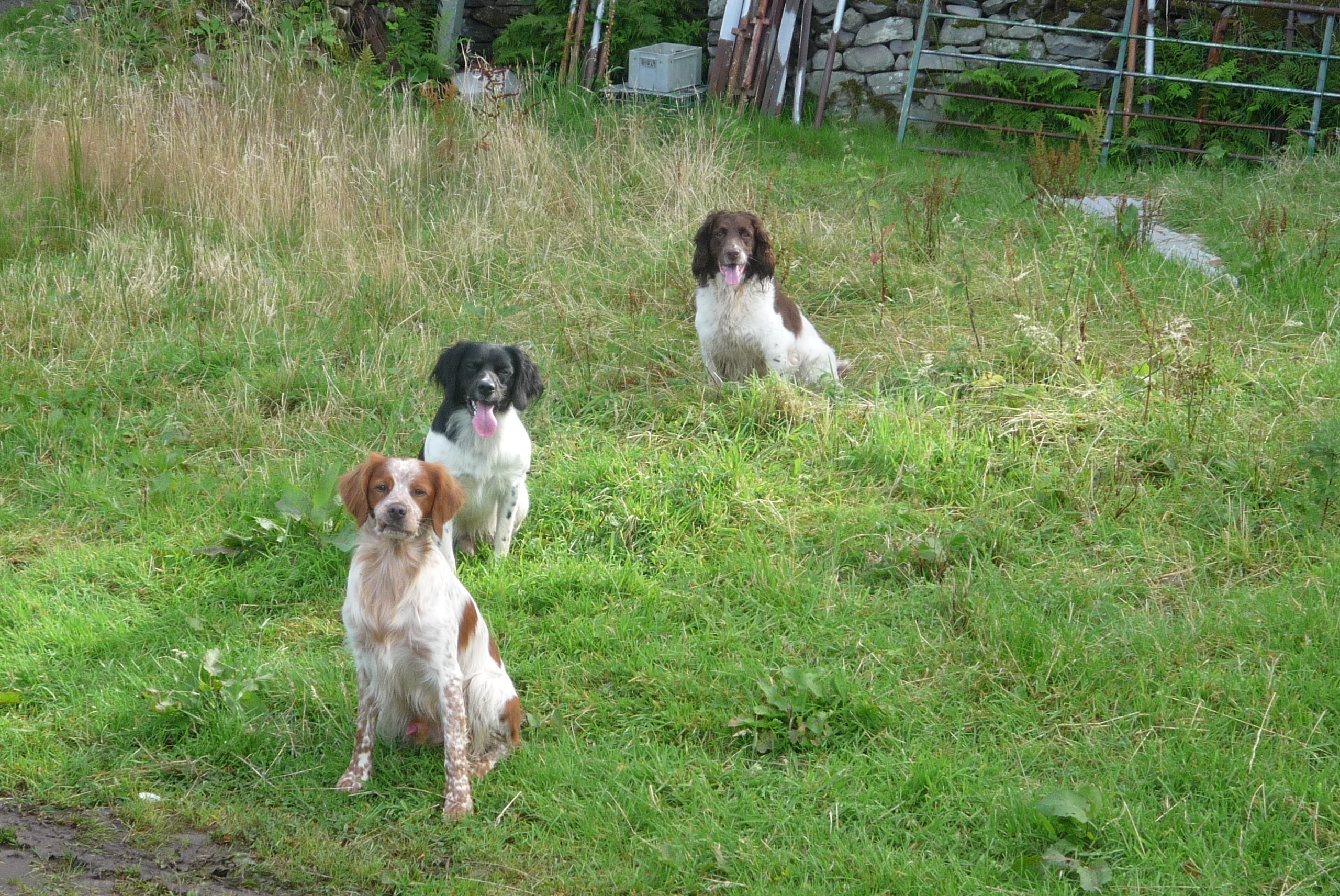
    Teddy, K9 and Bruno, pictured above, took part in the Challenge,
    learn more about them here

    The Butcher’s 10-Day Taste Challenge was the first of its kind in the UK and hundreds of dog owners jumped at the chance to participate. Showing just how important it is to us as pet owners to know our dogs are being fed the best possible diet, owners were keen to swap their usual dog food for delicious meals made with fresh, meaty natural ingredients and no artificial flavourings for 10 consecutive days.

    Proof is an empty bowl, with 74% being licked clean, and the appearance of the dogs, with 8 out of 10 owners giving their dogs 8 or above (out of 10) for a very shiny coat and bright eyes.

    Lucy Weston, owner of German Shepherd, Pickle, who also took part in the Challenge commented: “Butcher’s gets 10 woofs out of 10 from Pickle! People have commented on the improvement they have seen in him saying how healthy he looks and that his coat is really shiny. Pickle’s dad, Cracker, felt left out so we involved him in the Challenge too, therefore it’s 100% approved by two generations!”

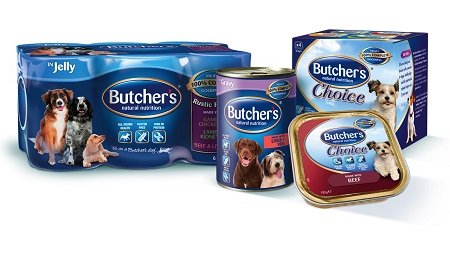
    Butcher’s offers a range of meaty natural dog food in a can or a foil tray and in a variety of delicious recipes. It can be fed as a main meal on its own or as a tasty meaty topping to a dry meal. Each recipe of Butcher’s provides a 100% complete dinner – every recipe has been developed with leading nutritionists so owners can be sure their dog is getting all the meaty proteins, vitamins and minerals they need to be as Fit as a Butcher’s Dog™. What’s more, they are made with fresh, meaty natural ingredients and no artificial flavourings, with no fillers such as soya or wheat, so they are wheat gluten free too. A bowl of Butcher’s has everything a dog needs and nothing it doesn’t!

    See if your dog loves Butcher’s too!

    Butchers dog food range

    For more information on the 10-Day Taste Challenge and Butcher’s Pet Care, visit our website www.butcherspetcare.co.uk or like our Facebook page – www.facebook.com/butcherspetcare

  • Do You Know How Many Festive Foods Are Dangerous To Dogs?

    Its well known turkey can cause serious harm to dogs but did you know foods as varied as mince pies, Christmas cake which contain raisins or sultanas, onions and leeks, can also be poisonous for dogs?

    According to research released by Sainsbury’s Pet Insurance,  staggering 92% of vets surveyed by the insurer have treated a cat or dog suffering from illness or injury caused by Christmas-related festivities.

    Animal health firm, Forum Animal Health, have offered the following advise to anyone concerned their dogs have consumed any harmful foods:

    Owners often don’t recognise what is poisonous and they don’t know what to do if there is a problem. Their instinctive response is to wait and see. However, animals need to be treated quickly before the food has passed through their stomach. A dog needs to be brought in within two hours of ingesting these swallowing dangers; if it takes longer they can suffer more, or in the worst cases the delay can prove fatal.

    1. Stop the dog eating any more.
    2. Phone your vet – check their location and that they can receive the emergency.
    3. Collect and take with you the wrapper or packaging.
    4. Take your dog to the vet as quickly as possible and be prepared to be at the vets for a while.

    To read more about seasonal dangers to dogs, read K9 Magazine’s more in-depth feature here


  • Your Dog is Up for Taking the Butcher’s 10-Day Taste Challenge… Are You?

    At Butcher’s Pet Care, we believe dogs will enjoy their dinner so much more when they are served one of our tasty meaty meals. We guarantee to get them licking their lips.

    Butchers_10-day-challenge

    Why? Because every dinnertime, you’ll be giving your dog a delicious meal made with fresh meat and no artificial flavourings.

    Each delicious Butcher’s meal has been developed with leading nutritionists so you can be sure your dog is getting all of the meaty proteins, vitamins and minerals they need to be as Fit as a Butcher’s Dogâ„¢.

    What’s more, there are no artificial flavourings and no fillers such as soya or wheat, so they are gluten free too. A tasty bowl of Butcher’s is made with natural ingredients and has everything that your dog needs and nothing it doesn’t!

    Clare Scallon, from Butcher’s Pet Care, comments: “Dogs love the meaty taste of Butcher’s, which is made with fresh meat and no artificial flavourings. We’ve decided to launch the 10-Day Taste Challenge to encourage dog owners to swap their pet’s meals to see how happy Butcher’s makes them.”

    “We are confident dogs will devour their meals and owners will love giving it to their pet. We’d like to encourage all dog owners to serve Butcher’s for 10-days – we are confident of an empty bowl and a wagging tail at the end of each meaty meal.”

    Butchers dog food range

    Butcher’s offers a range of more natural dog food in a can or a foil tray in a variety of delicious recipes. Packed full of all of the vitamins and essential nutrients your dog needs, Butcher’s can be fed on its own as a main meal or to add natural meaty taste to a dry food. All of Butcher’s delicious dinners are 100% complete so dog owners can be sure every dish includes everything your dog needs to keep him happy and healthy.

    The Butcher’s team will select 100 lucky participants and deliver a 10-day supply of free food to the dogs who have been invited to take part. The owners will then be asked to share how their dog reacts to tasting the delicious meaty dinners from Butcher’s during the 10-Day Taste Challenge.

    For more information on the 10-Day Taste Challenge and Butcher’s Pet Care, like our Facebook page – www.facebook.com/butcherspetcare – or visit our website www.butcherspetcare.co.uk

    Fit as a Butcher's dog

  • Dog-friendly Tropical Chicken Salad Recipe from the K9 Cafe

    Dog-friendly Tropical Chicken Salad Recipe from the K9 Cafe

    In this final installment of our video recipes from the Direct Line ‘K9 Cafe’ showcasing four dog friendly recipes, here’s a recipe perfect for the summer months – a Tropical Chicken Salad.

    Presented by TV chef and dog lover James Martin who helped to launch the ‘K9 Cafe’ to showcase some expertly crafted recipes with the help of vet Marc Abraham to educate pet owners on exactly what they should and most importantly shouldn’t feed their dogs.

    Here is the video and recipe for their dog friendly tropical chicken salad – yum!

    Let us know how you get on and what your dog thinks!

    dog eating photo
    Photo by Carters Collection
  • Dog-friendly Cheese and Kale Frittata Recipe from the K9 Cafe

    Dog-friendly Cheese and Kale Frittata Recipe from the K9 Cafe

    Following on from our recent videos from the Direct Line ‘K9 Cafe’ showcasing their dog friendly recipes, here’s a third video from the series with TV chef and dog lover James Martin to educate pet owners on exactly what they should and most importantly shouldn’t feed their dogs.

    Direct Line opened the ‘K9 Cafe’ to showcase a range of expertly-crafted recipes for dog owners and their dogs following a recent survey which showed that a third of those surveyed were concerned about their dog’s diet, 68 per cent of whom were worried their pets weren’t getting the right nutrition.

    Here is the video and recipe for their dog friendly cheese and kale frittatas – tasty and packed full of nutrients.

    Let us know how you get on and what your dog thinks! Visit the Direct Line website to see the fourth and final video recipe: https://www.directline.com/pet-insurance/health


    happy dog photo
    Photo by Emery_Way
  • Dog-friendly Raspberry Muffins Recipe from the K9 Cafe

    Dog-friendly Raspberry Muffins Recipe from the K9 Cafe

    Following on from our video recipe from the Direct Line ‘K9 Cafe’ showcasing their recipe for dog friendly sweet potato and white fish bake, here’s a second video from the with TV chef and dog lover James Martin to educate dog owners on exactly what they should and shouldn’t feed their pets.

    The pet insurer launched the ‘K9 Cafe’ to showcase a range of expertly-crafted recipes for dog owners and their dogs. Once made the show’s own canine experts then sample to give their verdict.

    Here is the video and recipe for their dog friendly raspberry muffins.

    Let us know how you get on and what your dog thinks! Tune in next time for a third video from the series or see them online now: https://www.directline.com/pet-insurance/health


    dog muffin photo
    Photo by EGCalso
  • Dog-friendly Sweet Potato and White Fish Bake Recipe from the K9 Cafe

    Dog-friendly Sweet Potato and White Fish Bake Recipe from the K9 Cafe

    A recent survey by pet insurer, Direct Line, discovered that one in five pet owners worry about whether they are feeding their dogs the right diet while just over two thirds were worried their pets were not getting the right nutrition. With many foods often associated with good health for humans such as raisins, grapes or onions being potentially lethal to dogs, Direct Line has opened the ‘K9 Cafe’ with TV chef and dog lover James Martin to educate dog owners on exactly what they should and shouldn’t feed their pets.

    The ‘K9 Cafe’ launches with four videos which see James Martin and vet Marc Abrahams turning their hands to some canine cordon bleu, to showcase a range of expertly-crafted recipes for dog owners and their dogs. The show’s very own four-legged experts are then invited to sample the results once the recipe is complete.

    Here is the video and recipe for their dog friendly sweet potato and white fish bake.

    Let us know how you get on and what your dog thinks! Tune in next week where we’ll be running a second video from the series or see them online now: https://www.directline.com/pet-insurance/health


    dog eating photo
    Photo by Magnus Bråth


  • Christmas-Themed Foodie Fundraising Ideas

    Christmas-Themed Foodie Fundraising Ideas

    During the winter, everything seems expensive: bills go up because we need to heat our houses; there are gifts to buy for Christmas and extra warm clothing to stock up on.

    Unfortunately in recent years the usual expense of winter has been coupled with general financial hardship as the economic climate remains poor. One of the first things that people do to save money is to cancel ‘unnecessary’ direct debits – and unfortunately, many people stop making regular donations to charity as a result.

    AA001170

    An added problem is that the kind souls who often raise money for charity during other times of the year are often too busy to help over the Christmas period. Also, many volunteers who run shops and help out at animal shelters for animal charities such as the RSPCA are simply unable to do so over Christmas. The RSPCA, meanwhile, has a greater-than-ever need for continued support because they, too, face larger than average bills as they strive to keep the animals in their care fed and warm.

    Could you raise money from others by doing some easy fundraising this year? The RSPCA Choices website has a selection of great causes that you could choose to support, giving you a say over how your money is spent. For instance, you could raise money for your local shelter, or for veterinary treatment of cats, or to support the RSPCA’s Everyday Heroes (their Inspectors, who rescue and protect animals and pets that have been abandoned, neglected or abused).

    If you do have that time, then here are some lovely, easy fundraising ideas with a Christmas theme to get you started.

    • Gingerbread men are easy and cheap to make. If you turn a gingerbread man upside down, so that his legs are where his head would normally be, you can decorate him to look like a reindeer! The legs can be decorated to look like antlers, the arms decorated to look like ears, and you can use half a cherry for the reindeer’s nose (which is actually the gingerbread man’s head).
    • Decorate candy canes. Imagine that you are holding the candy cane upright by the long stem. Tie pipe-cleaners round the bend of the cane and forming antlers with them. Add a pair of googly eyes near the top of the cane, and a round, red sticker on the very end.
    • Make reindeer Florentines. Put blobs of melted chocolate and flatten them slightly with the back of a spoon until they are about as round as a Satsuma. Add two slivers of sliced almond for ears, and two strips of liquorice (with snips in the top end) to form antlers. Add two silver balls used to decorate cakes as eyes and half a cherry for a nose.
    • Put these items into cellophane baggies and tie with a nice ribbon, to sell to friends, colleagues or at local fundraising events (or ask your child’s school or local church if you can sell them). Promote your sales through the RSPCA Choices site that lets you share the details online with your own easy-to-design webpage.
  • Is Meat Diet Good For Dogs?

    Is Meat Diet Good For Dogs?

    Meet Bluey, he was an Australian cattle dog, born June 7, 1910, who worked among sheep and cattle for 20 years, and survived until Nov. 14, 1939, when he was put down. He had lived for 29 years, five months and seven days. His secret to extraordinary longevity?

    Well, according to his owner Bluey lived on a diet of…wait for it….Kangaroos and Emus. He was the world’s oldest dog, a record that has never been beaten.

    If we were to take this discussion in a fairly linear direction a + b = c. Dogs who live on a diet of Kangaroos and Emus live until a grand old age.

    Dog_Bluey

    Of course, life (and death) is not so simple. Nor would it be so easy to get a regular supply of Kangaroo and Emu meat, but that’s by the by, the principle of Blue’s diet was meat is good.

    Are you weighing up the possibility of feeding your dog on a raw diet? Read this: Raw dog food pros and cons.

    Dogs like Bluey might be the exception in terms of the type of meat that makes up the largest proportion of their daily diet, but dogs around the world tend to live on meat and enjoy doing so. Cartoonists have been depicting dogs chasing a string of butcher’s sausages for generations.

    So why is it that according to the Butcher’s Healthy Happy Hound report that only 14% of dogs are being given a solus meaty dog food diet on a daily basis, while twice as many owners (29%) say they actually think their dog prefers it?

    Fit as a Butcher's dog

    Let’s tackle some of the more common questions, starting with the big one: Is a meat diet good for dogs?

    A: Most definitely, and there is no upper limit to the amount of protein a dog should eat.

    Although dogs have evolved over the years to take up firm positioning as one of the family, dogs are essentially at their core still carnivores and have the same dietary requirements as their ancestors.

    To ensure they get the right nutrients a dog’s diet must contain the right amount of protein, fat, vitamins and minerals.

    A wild dog would typically eat up to 90% meat with small amounts of fish and eggs, in addition to 10% of grasses, berries, nuts and vegetation.

    Is a meat diet good for dogs

    There are three factors that determine protein quality:

    1) Protein source – animal protein or plant & cereal protein
    2) Amino acid content – amino acids are the building blocks of protein, these blocks determine the quality of the protein
    3) Digestibility of the protein content

    Animal proteins are more ‘complete proteins’ because they contain all the essential amino acids required whereas plant and cereal proteins lack one or more of the essential amino acids and are therefore considered ‘incomplete’. Animal proteins are also more digestible than plant and cereal proteins, hence animal proteins have a higher bio-availability.

    It is important that all essential amino acids are present, if an essential amino acid is missing or there is not the correct level/amount, then protein metabolism stops. Protein is vital for cell maintenance and growth and for dogs can also provide most of their energy requirements.

    Food such as Butcher’s complete foods are developed to meet all nutritional requirements a dog needs in a highly palatable meaty recipe.

    A high quality complete diet will give dogs all the essential vitamins and minerals to the need to keep them happy and healthy, lean and fit with everything they need to maintain a healthy, active lifestyle.
    Brought To You By Fit & Fun Dog Month 2013

    Fit & Fun Dog Month sponsored by Butchers Lean & Tasty

    ‘Keep as Fit as a Butcher’s Dog’

    You may now be thinking: will my dog’s miss out on other things, like carbohydrates if they eat a solely meat based diet?

    By choosing a good quality complete meat based diet your dog will be getting all they need.

    Remember, our dogs bodies are made for meat.

    Dogs have a short digestive tract not suitable to digesting a high carbohydrate diet and their mouths have sharp teeth and strong jaws designed for ripping and shredding not grinding grains and vegetation.

    Meat is packed full of the goodness needed to ensure their coats stay healthy, eyes bright and that they have enough energy to go about their day, their strong acidic stomach will help break the meat down ensuring they get all they need.

    Dogs naturally need meat as part of a balanced diet – if you were to give your dog a choice, what would they choose?

    That isn’t to say your dog won’t enjoy the occasional treat and that given the chance to scavenge and serve themselves as if the home were their own self-service buffet they would allow the opportunity to pass.

    Dogs in the wild were hunters and scavengers which explains why they think food left out in our homes seems fair game to them. Not only will our dogs consume everything that drops on the floor, given the chance they will rifle through dustbins, and given the opportunity take it straight from a plate. After all, if you have ever fed your pet from the dinner table they will forever believe that they are entitled to it at any mealtime.

    But too many treats outside of their diet can lead to body condition and weight problems and potentially even cause medical issues.

    The advantages of choosing a naturally meaty dog food diet are many. Health and longevity are increased and the diet can be tailored to individual needs.

    Maybe old Bluey really was on to something, eh?

    Butcher’s Lean & Tasty meaty complete meals with 30% less fat is a more natural dog food, as are all of the Butcher’s products, because they contain no artificial colours, flavours or preservatives.

    Butchers-Lean-and-Tasty-dog-food-pack

    Visit the Butcher’s Pet Care website and use the tool to find the right food for your dog – butcherspetcare.co.uk
  • Is My Dog Underweight?

    Is My Dog Underweight?

    As pet owners we’re conscious to make sure our dogs are as happy and healthy as they can be, good citizens of the canine world, and do our best to repay them for the unconditional love and fun moments they bring to our lives.

    According to the Butcher’s Pet Care Healthy Happy Hound report, over a third (37%) of dog owners don’t know how much their dog should weigh. By this definition, if an owner doesn’t know how much their dog should weigh, they won’t know how much they should be feeding and we know that the worry that your dog could be underweight, can be just as much of a concern as whether he’s overweight.

    Let’s look at the PFMA’s Weigh in Wednesday guide to analyse your dog’s weight category.

    Is your dog…

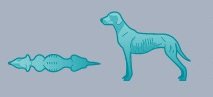
    1. Very Thin

    • Ribs, spine and hip bones are very easily seen (in short haired pets)
    • Obvious loss of muscle bulk
    • No fat can be felt under the skin

    very thin dog graphic

    2. Underweight

    • Ribs, spine and hip bones easily seen
    • Obvious waist and abdominal tuck
    • Very little fat can be felt under the skin

    underweight dog graphic

    3. Ideal Weight

    • Ribs, spine and hip bones easily felt
    • Visible waist with an abdominal tuck
    • A small amount of fat can be felt

    ideal dog weight graphic

    Illustrations courtesy of the Weigh in Wednesday campaign

    The above guide is to help you determine if your dog is in fact underweight and which category they fall into. There is no hard number as to what your dog should weigh based on their breed, but there is an average, healthy weight as indeed there is for humans.

    For example, during his professional boxing career, standing 5 feet and 10 inches tall ‘Iron’ Mike Tyson weighed in at just 6 pounds under 17 stone. According to the NHS BMI calculator, Tyson’s body mass index score rated him 32.99, right at the very extreme end of the obesity scale. In fact, the BMI reading suggests Tyson was not only obese but was at risk of a whole host of other medical problems related to his being grossly over-weight.

    Let’s look again, this time at the other end of the scales.

    ‘Golden Boy’ Oscar de la Hoya, like Tyson was a world champion boxer who also stands at 5 feet and 10 inches tall. De la Hoya weighed in at 9 stone and 2 pounds for his debut professional contest. Almost 8 stone less than Tyson. De la Hoya’s BMI score (18.38), at the time, tells us he’s classed as underweight and at risk of the associated health problems that this entails.

    The reason for the example is to show that what someone ‘should’ weigh, doesn’t always match the reality based on their statistics.

    The same can be said of a dog breed. You may have two dogs, same breed, different shapes. One is classed as a healthy weight, the other not.

    Brought To You By Fit & Fun Dog Month 2013

    Fit & Fun Dog Month sponsored by Butchers Lean & Tasty

    ‘Keep as Fit as a Butcher’s Dog’


    No one knows your dog better than you, you are best placed to determine what’s a healthy weight for your dog and knowing their weight by regularly assessing your dog’s size and weight you can adapt feeding and exercise regimes quickly to ensure your dog remains in top condition. Always seek professional advice if you feel there may be an underlying health issue

    “Holly Lloyd, owns a 4 year old Labrador called Scout. Holly says, “Scout has always been a lean dog and was fed on a dry food diet but after he developed allergies to dust and storage mites, I had to find an alternative type of food to avoid the possibilities of mites. After trying different brands which didn’t suit him, even though I’d always felt he had a cast iron stomach, I knew I had to find one which had the right amount of ‘good’ ingredients and came across Butcher’s tinned food which had 99% natural ingredients, according to the label.”

    After a short time Holly started to notice a huge difference to Scout’s coat, which had been affected by his allergies and noticed an improvement in Scout’s muscle tone, which he had started to lose as a result of arthritis in his back legs as well as him starting to regain some of the lost weight.

    Is my dog underweight

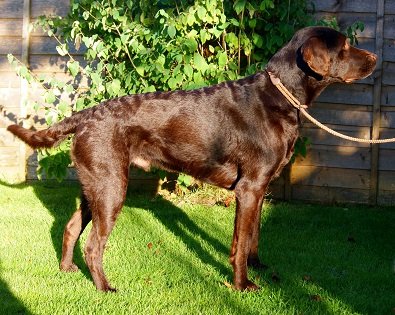
    Scout, before trialing Butcher’s Lean & Tasty

    Three months on a diet of Butcher’s, Scout no longer needs steroids or antihistamines for his allergies, his skin is healthy, his coat is shiny, his joints are no longer showing signs of problems and he is a much healthier weight.

    Scout after trialing Butchers Lean & Tasty

    Scout, after trialing Butcher’s Lean & Tasty

    Holly says, “I knew I needed to find a good, stable food and I’m hugely grateful I did my research before choosing Butcher’s. The label gave me the confidence that it included all of the goodness Scout needed, and luckily he agreed.”

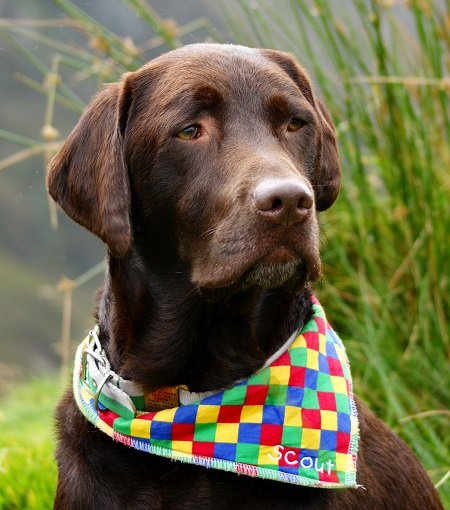
    Scout now

    The diet you feed and the lifestyle your dog leads will determine their weight as much as any genetic factor.

    If your dog isn’t a big eater and that may be the underlying cause of their weight loss, try changing their feeding habits.

    For example, if you typically feed dry food and your dog is the only pet in the home, don’t leave their food down for them to dip into and out of. It may be your dog is relying on the fact the food is constantly available. Try feeding little and often, but always taking the unfinished food away and monitoring how much has been eaten.

    However, the biggest change you can make is by making food more appealing by putting a little meat on top if you feed a dry diet, Butcher’s Tripe recipes for instance, is known as a great appetite trigger, so that your dog gets the food he really enjoys and you can gradually increase the amount over time so that his digestion system can get used to the new food.

    As a wet food, Butcher’s Tripe Mix meaty canned food creates immediate interest from the smell to the texture. Tripe is full of animal protein, it’s a natural dog food and sometimes referred to as ‘catnip for dogs’! This could be ideal for those of you with one or more dog in the home trying to get your dog to eat their whole meal at once.

    Understanding the value of feeding your dog and the right nutritional elements to suit them, as an individual, is one of the biggest determining factors as to how healthy your dog can be, both now and in to their old age.

    Butcher’s Lean & Tasty meaty complete meals with 30% less fat is a more natural dog food, as are all of the Butcher’s products, because they contain no artificial colours, flavours or preservatives.

    Butchers-Lean-and-Tasty-dog-food-pack

    Visit the Butcher’s Pet Care website and use the tool to find the right food for your dog – butcherspetcare.co.uk


  • Do Certain Breeds Require More Exercise Than Others?

    Do Certain Breeds Require More Exercise Than Others?

    Exercise is similar to diet. Ultimately each dog is an individual and will have specific, individual needs independent of their breed and more relative to their age and individual character.

    It goes without saying that breeds such as a Saluki will require a different regime to that of a Bulldog, however, don’t be too caught up with some of the breed myths about exercise requirements for some of the more misunderstood breeds such as Greyhounds and Whippets.

    Exercise – When It Comes To Exercising Your Dog, How Much Is Needed?

    In humans, the importance of exercise has been proven time and again. But what about our canine friends? Is it enough to just feed them properly and give them occasional walks? What are the benefits of exercise to dogs?

    Dogs sitting

    All dogs need exercise. Studies as well as experience have shown that dogs who are getting adequate exercise are healthier and happier. They are also more social when they are in public places. When dogs are given regular exercise, they are more calm at home and are less restless when left alone. However, just like feeding, choosing the right amount of exercise for your dog should depend on several factors. These factors are age, size, and type of breed.

    Brought To You By Fit & Fun Dog Month 2013

    Fit & Fun Dog Month sponsored by Butchers Lean & Tasty

    ‘Still as Fit as a Butcher’s Dog’

    Age: Puppies require daily exercise for proper muscle development. Their high energy levels need to be released in some form of constructive activity, and giving them their daily exercise is the best way to do it. Not being able to release their pent-up energy can lead to destructive behavior such as chewing or digging. On the other hand, a mature, aging dog needs less exercise because of their lower energy levels.

    Size: Large dogs do not necessarily need more exercise than small dogs. In fact, many large breeds like the Mastiff or Great Dane would rather relax and sit on the porch all day then go out for a 2 mile run. Nevertheless, they also need their daily exercise, perhaps one or two 30 minute walks everyday. On the other hand, many types of small breeds such as the Jack Russell Terrier or Chihuahua still keep on going even after a three-mile walk.

    Type Of Breed: Your dog’s breed is a contributory factor with regard to the amount of exercise required. For instance, dogs that were originally bred to herd such as the Australian Cattle Dog, Border Collie, and German Shepherd need to be exercise daily. Another example of a breed that requires daily exercise are those that were originally bred to hunt (hunting dogs). Examples of these dogs are the Beagle, Chesapeake Bay Retriever, and German Hunt Terrier. And finally,sled dogs such as the Siberian Husky, Samoyed, and Alaskan malamute share the same high level of energy as the herding dogs and hunting dogs.

    Exercise Helps Prevents Obesity

    PDSA Senior Vet, Sean Wensley has the following advice for owners concerned their pet may be gaining too much weight:

    Prevention is better than cure: Some owners are worried about seeking advice for their overweight pet for fear of being judged but preventing obesity is much easier than getting a pet to lose weight. A good diet when a pet is young is essential – fat puppies and kittens are more likely to become fat adult pets due to the number of fat cells they produce while growing.

    Balanced diet: Weight loss requires a combination of the right natural dog food diet and the right amount of exercise.  Many owners feed ‘by eye’ and it’s easy to accidentally overfeed pets, so use scales to weigh out the daily food allowance each morning. Follow packet feeding guidelines or ask your vet about correct amounts.

    Proof It Can Be Done!

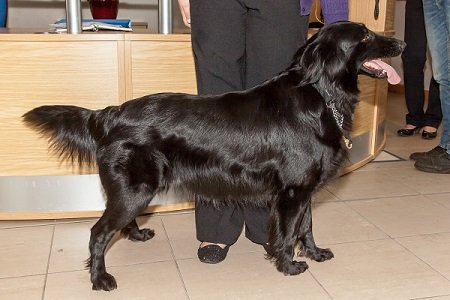
    Lucy, a 4 year old flat coated Retriever has always been an active family dog and enjoyed exercising keeping up with the families’ two horses and two other dogs.

    Despite attempts by Lucy’s owner, Gina, to manage her weight by reducing the amount of dry food given, she still gained weight prompting Gina to look to another diet to help her loose weight, as exercise wasn’t the reason for weight gain.

    Lucy before trialing Butchers Lean & Tasty dog food

    Lucy, before trialing Butcher’s Lean & Tasty

    After a 16 week trial being fed on Butcher’s Lean & Tasty, Lucy lost 5.8kg and regained her glossy coat and waistline!

    Lucy after trialing Butchers Lean & Tasty dog food

    Lucy, after trialing Butcher’s Lean & Tasty

    Regular exercise: Build up activity levels gradually, as a pet shouldn’t go from couch potato to marathon runner overnight. Encouraging play and games is a great way to increase a pet’s activity levels, but every pet is different so ask your vet about how much exercise your pet needs

    Ultimately your individual dog will have specific exercise requirements that apply to them as an individual. Speak with your vet about getting an all round health check where you can also discuss individual activity requirements for your dog, no matter what the breed.

    Butcher’s Lean & Tasty meaty complete meals with 30% less fat is a more natural dog food, as are all of the Butcher’s products, because they contain no artificial colours, flavours or preservatives.

    Butchers-Lean-and-Tasty-dog-food-pack

    Visit the Butcher’s Pet Care website and use the tool to find the right food for your dog – butcherspetcare.co.uk


  • Is My Dog Overweight?

    Is My Dog Overweight?

    Can Your Dog Pinch an Inch or Two?

    Ever met a dog with the innate ability to be self critical? A dog with an acute introspective view of him or herself? No? It’s unlikely our dogs would ever wake up on a Monday morning and question whether they’d overindulged at the weekend and needed to cut the calories in order to get down to their ideal body weight.

    By and large, we are 100% responsible for what our dogs eat. In the wild, dogs use energy to acquire food and, as nature intended it, will essentially burn just about the perfect amount of energy/calories in balance with what they consume. In domestic situations this balance can be lost.

    Twelve million UK pets are being fed too many fatty treats, including takeaways, cheese, crisps and cakes, often on a daily basis, which is fuelling the UK pet obesity epidemic. That is the finding of the biggest national pet health report conducted by leading veterinary charity, PDSA.

    is my dog overweight

    What is even more concerning, according to the animal health and welfare charity, is that 50% of owners say they think treats make their pet happy with just 2% confessing to feeling any guilt about feeding naughty treats. And with just one cube of cheese given to a medium sized dog the equivalent of us eating four shortbread biscuits, half a margherita pizza, or one and a half burgers, we need to consider what we give our pets and the potential for long-term illnesses as a result.

    The PFMA, who recently launched Weigh In Wednesday’s also claim that by keeping pets at their ideal body size, their lifespan can be extended by up to 2 years, which is huge.

    Older dogs are about twice as likely to be overweight as younger dogs. This is most commonly due to owner’s maintaining the same diet for a dog who had greatly reduced their physical output due to slowing down with age. Ask yourself this, can you eat the same food you did when you were a teenager without gaining weight? If you can, you’re one of the lucky few.

    Given the fact we know our dogs are, as a population, getting fatter, the question we should be able to regularly ask and answer is: is MY dog overweight and, if so, what can I do about it?

    Here are four quick ways to make an initial evaluation of your pet’s weight.

    Remember though, regular veterinary or maintenance examinations can give a much better, more accurate view of your pet’s weight and general condition. So many dog owners only visit the vet when their dog is due their annual check-up or is showing signs of illness or injury.

    1. Stand over your dog viewing their back-line from above. You should see a distinct indentation showing a defined waistline. Long haired dogs need to be physically examined by hand, try and feel for definition around the waist.

    2. When viewing your dog from the side, can you make out the shape of the rib cage when your dog breathes in? Again, with a long haired dog, this examination needs to be done by hand. If your dog does not have a discernible waistline from above or the side, they could be overweight, If you require further assurances speak to your vet.

    3. Look at pictures of your pet from when they were in their peak shape. Has their face changed? Is there more signs of excess skin or a rounding of the face (loss of definition)? Many a successful diet has been prompted by looking at unflattering photographs. Use photos to compare your dog’s current shape to how they looked when they were at their best. Remember, we can’t expect to maintain the health and shape from our youth but we can (and should) always seek to ensure our dogs are in the peak shape for their age, breed and life stage (here are some of the most common age-related reasons dogs can gain weight).

    4. Keep a food diary to track what your dog eats on a daily basis, and use this to help you identify the extra 1/2 biscuit here and there contributing to the problem. Download your own food diary here. During your weight loss journey, why not also download your dog his own weight loss certificate to celebrate the moment. Create your own here.

    Proof It Can Be Done!

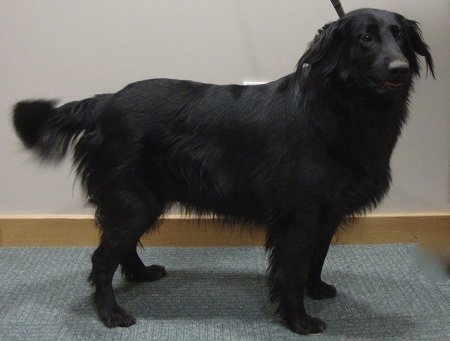
    Mylo is a 7 year old Finnish Laphund who lost 1.7kg in 16 weeks, with a final weight of 17.8kg, the ideal weight for his breed.

    Mylo, before trialing Butcher's Lean & Tasty

    Mylo, before trialing Butcher’s Lean & Tasty

    Mylo is a very active dog, his owner, Simon first noticed him gain weight after being neutered when he became very food driven. Simon who owns other Laphund’s and looks after many dogs for other people told us “It is really easy to miss the signs of your dog being overweight but it isn’t hard to lose that excess weight – Butcher’s Lean & Tasty really does work!” stating that Mylo “is as fit as he has ever been”.

    Mylo, after trialing Butcher's Lean & Tasty

    Mylo, after trialing Butcher’s Lean & Tasty

    Choosing the right natural dog food can be a huge part of your dog’s success, like Mylo’s. Some foods, such as the variety Mylo enjoys, include less calories for a start without missing out on the nutrients your dog needs to live a happy, healthy life.

    Don’t be embarrassed to ask for help, remember that tackling the problem could give you up to two extra years with your dog. That’s got to be worth it, hasn’t it?

    Butcher’s Lean & Tasty meaty complete meals with 30% less fat is a more natural dog food, as are all of the Butcher’s products, because they contain no artificial colours, flavours or preservatives.

    Butchers-Lean-and-Tasty-dog-food-pack

    Visit the Butcher’s Pet Care website and use the tool to find the right food for your dog – butcherspetcare.co.uk

  • Help! My Dog Has Canine Osteoarthritis, Should I Change His Diet?

    Help! My Dog Has Canine Osteoarthritis, Should I Change His Diet?

    If your dog has just been diagnosed with osteoarthritis, you may be confused and worried about the effect of his condition on his enjoyment of life. Fortunately there are several things you can do to slow the progression of the disease, and keep him happy and mobile. Lifestyle changes, anti-inflammatory/anti-pain medication and nutritional supplements are the cornerstones of treating osteoarthritis.

    Lifestyle Changes

    The great thing about making lifestyle changes for your dog is that they are within your control. They are not going to be easy to make, but keep in mind that pet dogs are like toddlers in that they are largely a reflection of their parents. Managing your dog’s lifestyle is almost completely your responsibility.

    Here is what you should be focusing on:

    Weight Reduction

    This is a biggie! The target weight for an arthritic dog should be leaner than normal to ease the burden on his joints.

    Aim for a gradual reduction in weight. Numbers are your friend in this: weigh your dog regularly and chart it; initially every two weeks, then every month. Once his target weight is reached, put him on the scales quarterly or semi-annually. Similarly, use a weighing machine or a measuring cup to ensure that his food intake is regulated.

    As your dog gets older, his energy needs will reduce. If you continue to chart his weight, you should have no trouble noticing the weight gain and reacting to it.

    A weight reduction program is a lot easier to write about than to implement. You must ensure that all members of the family realise the importance of the program. Table scraps have to be few and far between; better still, eliminate them completely. Your pet will not be happy during the period that he is losing weight. But, once his weight is stabilised, he will be healthier and happier than before.

    Exercising Your Dog

    Exercise is important for your arthritic pet. Not only will it help him remain at his target weight, but regular mild exercise has been known to improve the health and mobility of the affected joints. It reduces the pain of arthritis and the progression of the disease while maintaining good muscle mass.

    The important part of any exercise program for arthritic dogs is that it is low impact.

    Try to prevent him from jumping; also, avoid asking him to repeatedly climb up and down stairs. Remember that medications could mask his pain, thus allowing him to get more vigorous than is good for him. To prevent such ‘accidents’, it is best to exercise him on a leash.

    Swimming is an excellent exercise for dogs with osteoarthritis. It encourages mobility in the joints, but without painful weight-bearing. Hydrotherapy also builds up muscle mass which helps to support the painful joint.

    Medication and Nutritional Supplements

    As well as help you with a weight loss diet, your veterinarian can prescribe pain relieving medication and suggest nutritional supplements that will make your dog feel better. Glucosamine and chondroitin are safe and effective at relieving joint pain and can be used in conjunction with prescription treatments. It’s very important that you give the correct dose of medications in the correct schedule as some drugs can have side effects. You may also want to consider other natural therapies such as acupuncture or laser treatment, which may help ease arthritic pain.

    Supleneo flex is a nutritional joint supplement, which is suitable for all breeds, sizes and ages of dog and contains the key ingredients that can improve joint health, such as glucosamine.

    In addition, Supleneo flex’s natural liver flavour means dogs love the taste, making it’s easy and fun to give them their supplement every day. It is low calorie, so you can give it to your dog, instead of a treat without worrying about weight gain.

    For further information go to www.freedomtomove.co.uk
    Conclusion

    Canine osteoarthritis is not life-threatening, but it is progressive and can make your dog extremely uncomfortable.  With your help and support, there is no reason why he cannot enjoy a happy and fun-filled life.

    [note color=”#fddda5″]For further information about canine arthritis and canine arthritis treatment, including an on-line symptom checker please go to www.freedomtomove.co.uk[/su_note]

  • Gluten Free Dog Food UK

    Gluten free dog food UK options are more popular today than ever. Following international pet food recalls and a wider awareness of dog allergies related to nutrition (caused by gluten, corn and other stimulants), more and more UK dog owners are seeking gluten free diets for their canine companions.

    Gluten Free Dog Food UK

    Feeding gluten free dog food to your canine friend would naturally lower its predisposition for diseases such as diabetes, celiac disease, allergies, and chronic and degenerative diseases.

    As a gluten free diet is closer to that of what a dog would eat in the wild, the dog is able to process thier food more effectively, bringing about results such as increased energy and activity and decrease in arthritic pain and symptoms related to digestive system complaints.

    One of the more common dog food allergens is wheat or, more specifically, the gluten in wheat. Dogs can have gluten allergies like humans as well. Luckily there are gluten free dog food products on the market that can alleviate this problem. Gluten is a protein that is found in wheat.
    Some people and dogs are allergic to this protein. There is also gluten found in rye and barely so if these ingredients are found in your dog’s dog food then your dog may also present an allergic reaction to those too.

    Even though some firms call their dog food’s ingredients gluten-free if it doesn’t have wheat or grain, you really want one that’s oat, barley, and rye free too. Celiac disease – the inability to digest gluten) is more common in people and animals that formerly thought. Having raised a child with celiac, I have had to learn all about this.

    A few years ago there was a huge pet food recall due to a contaminated form of gluten that contained a compound called melamine, which can be fatal to animals and humans.

    It was a very tragic time as a lot of dogs that ate the infected food ended up dieting. Ever since then, the issue of gluten has become a very popular topic, and the question always arises of how beneficial gluten free dog food actually is. Humans are prone to a type of disease known as celiac disease, which is also less formally known as gluten allergies. What most people don’t know though is that dogs can develop celiac disease just as easily, which is why monitoring gluten intake is a very important aspect of your dog’s health.

    Many dogs may also experience allergic reactions to corn. Symptoms of such reactions may include irritation of the skin, ear infections, bloating, inflammation of the kidneys and liver, head tremors, hair loss, hyperthyroidism and heart diseases. Moles and warts may also develop on the skin and even loss of hearing can occur. Dog foods that do not contain corn are also usually gluten free dog food and are rich in protein. When purchasing dog food, it is important to read the labels and examine the three ingredients that are listed first. These ingredients comprise of 75 per cent of the content of the food and as such are the most important.

    Gluten allergies are not deadly, but they can be very debilatating for your dog, and if it is the case that gluten is the cause of the problem, a high gluten diet will obviously aggravate the situation. Many vets will prescribe a gluten free dog food for your dog, but it is quite possible to make your own using natural, gluten free ingredients.

     Gluten Free Further Reading

    Gluten-Free Diet Fad: Are Celiac Disease Rates Actually Rising?

    What’s Eating You? Maybe It’s What You’re Eating

  • The Importance of Portion Control & Dog’s Food

    K9 Magazine addresses a really important issue – obese dogs = shorter lifespan.

    Ultimately, you'd be hard pressed to find any dog owner who didn't agree that giving their pet the longest, happiest, healthiest life is their single greatest aim.

    Well, poor portion control of food could be the single biggest contributor to causing a dog to gain weight and, as we all know, obesity is a silent killer.

    Link: Dog food & portion control.