Category: Dog News

The latest dog news from around the world

  • Dog Theft Hot Spots in The UK Revealed

    According to police data, instances of dognapping increased by almost 20% in the six months preceding October 2021. In September 2021, a law was passed which recognises pet theft as a separate crime to other forms of property theft. A study by K9 Patrol has revealed the most dangerous places to be a dog owner in the UK.

    K9’s study analysed local search data for terms frequently searched by victims of pet abduction over the last six months.

    Northamptonshire ranked top, with residents searching the terms  “report dog theft”, “dog stolen” and “report a stolen dog” more frequently than any other county in the UK.

    Top 20 dog theft hotspots

    Position

    County

    1

    Northamptonshire

    2

    Somerset

    3

    Gloucestershire

    4

    Devon

    5

    Derbyshire

    6

    East Riding of Yorkshire

    7

    East Sussex

    8

    Herefordshire

    9

    Cambridgeshire

    10

    Bedfordshire

    11

    Berkshire

    12

    Bristol City

    13

    Lincolnshire

    14

    Greater Manchester

    15

    Cornwall

    16

    Warwickshire

    17

    Worcestershire

    18

    Leicestershire

    19

    Greater London

    20

    Shropshire

    Methodology

    Their method analysed the number of impressions each search term had in each location. It then calculated the percentage of residents this accounted for, by using the most recent population data for each area. This data is not based on crime reports, but on search terms specifically related to topics discussed by the victims of dog theft.

  • Ricky Gervais Joins RSPCA In Call For Animal Cruelty Policy Change

    Vice President of the RSPCA, Peter Egan, joins Ricky Gervais in calling for the Government to release registered animal charities from a policy which forbids them to end cruel animal experiments.

    MPs gather today Monday 25th October, in Westminster Hall, to debate a petition which cites the 90% fail rate of animal-tested drugs, but only calls for these medically failed and horrific experiments on dogs, and other animals, to be merely ‘phased out’.

    Ricky Gervais and Peter Egan are supporting protestors who will gather outside Westminster Hall, from 4-7.30pm, to call for the science hearing outlined by Parliament EDM 175 – to ban animal experiments quickly.

    Ricky Gervais says: “I’m shocked to hear that Priti Patel is only planning a gradual “phasing out” of horrific experiments on dogs, and other animals, which could take many decades. Such experiments are now proven to entirely fail the search for human treatments and cures, a position reported by the British Medical Journal, the FDA and the US-based National Cancer Institute. We need an immediate ban on this shocking animal cruelty, which is clearly holding back medical progress too. That’s why I support the rigorous public science hearing, as called for by Parliament EDM 175. This can help create a legal ruling to stop the funding of the outdated practice of animal experiments, and quickly redirect funding towards human-based methods, which have a proven track record of success. Please join my campaign with rescued laboratory dog Scarlett Beagle: help us accelerate the arrival of this fair science hearing, to end cruel animal experiments, once, and for all.”

    82 cross-party MPs have signed EDM 175, calling for the Government to mandate a rigorous public scientific hearing, on claims that results from animal experiments can predict human responses, in medical research and safety testing.

    The EDM’s science hearing is unique because it will be judged by a panel of independent experts from the relevant science fields – including evolutionary biology, complexity science, chaos theory, clinical research, drug development, basic research and philosophy of science.

    Never before has such an indepdently judged science hearing been mandated by the Government; previous inquiries into animal testing have been overseen by many with a clear vested interest in animal experiments.

    Registered charities are in chains

    The National Anti-Vivisection Society is the oldest anti-vivisection society in the world, but it is not a registered charity because charity status would prevent it from ending animal experiments.

    Says the NAVS: ‘The NAVS is not a registered UK charity because the law does not allow for charities to campaign to end animal experiments. Founded in 1895, the NAVS was a charity until 1947, when the Inland Revenue challenged charitable status for groups opposing animal experiments and the narrow terms of charity status worked against us at that time. Since then, charity law has been amended to include activities which would fall naturally within a charity´s core work, but would still not allow the NAVS to campaign to change the law to end animal research.

    NAVS continues: ‘In order to take up charitable status, the NAVS would be obliged to give up our work to change the law on animal experiments, including drafting legislation, working with government departments and educating legislators around the world, in addition to our public education work. In our view, this work is the most important thing we can do to achieve lasting protection for animals and so our members have made the decision that the financial benefits of charitable status must be sacrificed, in order to do what is right and necessary for animals.’

    In 1950, a High Court precedent ruling, by senior judge Harold Danckwerts, ruled that NAVS is not eligible for charity status because “suppression of vivisection is contrary to the benefit of the community and therefore not a charitable purpose in law” – please see ‘Resources’ at the close.

    In 1950, one could be forgiven for stating that animal experiments save human lives. Not today. Medical doctor Ray Greek says: “recent developments in evolutionary and developmental biology, genetics, gene regulation, gene expression and gene networks gained in large part as a result of the Human Genome Project, in addition to advances in understanding complex systems, have significantly increased our understanding of why animals have no predictive value for human response to drugs, or the pathology of human diseases.”

    Peter Egan says: “As Vice-President of the RSPCA, I am shocked to learn that this, and other registered animal charities including Animal Free research, are forbidden to support the science hearing called for by EDM 175, and prevented by law from ending cruel animal experiments. The petition being debated by MPs, on Monday 25th October, cites the 90% fail rate for animal tested drugs, but merely calls for this catastrophic human medical failure to be gradually ‘phased out’. This doesn’t make any sense. Even though today’s debated petition cites the 90% fail rate of animal tested drugs, it describes human-based research as an ‘alternative’ to animal tests. This is clearly nonsense – and is typical of registered charities confined to an outdated policy called the 3Rs, established in 1959 for ‘humane experimental technique on animals’. Animal tests have a 90% fail rate – as the petition correctly states – whereas human-based research, such as gene-based medicine, comes with a fantastic track record of success. Human-based research is the opposite of animal experiments, these are not ‘alternatives’ for each other. It is time for the Government to allow registered charities to campaign with up-to-date medical knowledge so they can support the science hearing called for by EDM 175, make sense in their public petition statements, and ban the now proven practice of animal experiments quickly.”

    Dr. Lisa Cameron MP says: “I’m delighted to be the primary sponsor for Parliamentary EDM 175, calling for a fair and rigorous public scientific hearing on animal experiments. Dogs are man’s best friend, yet thousands of Beagles are bred every year in the UK, for painful toxicity experiments that are today widely reported to be failing the search for human treatments and cures. Please join me in asking the Government to mandate this vital science hearing: ask your MP to sign EDM 175 to stop the funding of a failed practice and accelerate funding for human-based research, such as body on a chip and gene-based medicine, which comes with a track record of success.”

    [bctt tweet=””If research conducted on animals continues to be unable to reasonably predict what can be expected in humans, the public’s continuing endorsement of preclinical animal research seems misplaced”.” username=”k9magazine”]

    Dr. Fiona Godlee, Editor in Chief of the British Medical Journal quotes a report, in her Editor’s Choice: “If research conducted on animals continues to be unable to reasonably predict what can be expected in humans, the public’s continuing endorsement of preclinical animal research seems misplaced”.

    Award winning oncologist Dr. Azra Raza says in her tweet: “Why are we continuing to invest 100s of millions of dollars into animal studies, with the delusion that they will provide clinical guidance for humans? Why are we, the public, not demanding more accountability? Who is benefitting?”

     

  • What Are The Most Popular Songs Dogs Are Listening To On Spotify?

    Every dog is different – from laid-back labradors to cheeky chihuahuas – but the one thing that unites puppers and their humans is the unconditional love they share every day, that can be made even stronger through the power of listening. Music streaming service, Spotify has dug into the ways that dog owners across the world use music and audio to entertain and relax their doggos and puppers.

    Over 5 million pet owners have visited Spotify for Pets since it launched in early 2020, so disco-loving dogs (as well as cats, hamsters, birds and iguanas) can get their paws a tippy tapping – with the pets playlists proving most popular with listeners from the US, UK, Germany, Canada, Australia, Mexico, Spain, Brazil, Netherlands and Poland.

    In fact, a survey of just under 4,000 dog owners globally showed that one in five dog owners (20%) currently play their dog music during the day to keep them company, with a further one in four (23%) saying that listening to music helps to keep their dog relaxed.

    And a tip for those owners whose pupper or doggo struggles to be the goodest boi: 15% of dog owners say that listening to music helps their dog to be better behaved in general. In fact, nearly one in five dog owners (18%) plays their dog an average of at least an hour of music per day – with a lucky 6% of dogs having more than 12 hours of music a week played to them by their owners!

    Gen Z are one age group leading the way in pampering doggies with music. One in 10 Gen Z dog owners (10%) has created a playlist especially for their dog, with another one in 10 (11%) believing that their dog has similar music taste to them.

    Meanwhile My Dog’s Favourite Podcast, created in partnership with animal experts and features a mix of soothing music, dog-directed speech and original sound design to provide comfort for dogs and to help them both during and beyond lockdown, has been streamed over half a million times. Most popular with female listeners (c.60% of streams) and 28-34 year olds (a third of streams). The top ten countries tuning in globally are the UK, US, Australia, Ireland, Canada, Netherlands, New Zealand, Costa Rica, Spain and Mexico; when looking at listeners across Europe, the top ten countries are the UK, Ireland, Netherlands, Spain, Germany, Belgium, Denmark, Sweden, France and Switzerland.

    With millions of user-generated dog playlists on Spotify, pop songs are the most popular music genre for dogs with artists such as Olivia Rodrigo and Lil Nas X setting tails wagging, with other fun furry facts including:

    • Dog Days Are Over, the 2009 feel-good track by UK artist Florence + The Machine, is the most popular song added to user-generated dog playlists on Spotify, followed by hit-maker Olivia Rodrigo’s good 4 u.
    • Other top canine-titled songs appearing on user-generated dog playlists on Spotify including Beggin’ by Måneskin, Black Dog – Remaster by Led Zeppelin and Who Let The Dogs Out by The Baha Men

    Top 5 songs added to user-generated dog playlists on Spotify globally during 2021

    1. Florence + The Machine – Dog Days Are Over
    2. Olivia Rodrigo – good 4 u
    3. Olivia Rodrigo – drivers license
    4. Lil Nas X – MONTERO (Call Me By Your Name)
    5. Doja Cat – Kiss Me More (feat. SZA)
  • Dog Purchases During The Pandemic: Largest Study Reveals Why So Many People Bought Dogs During Lockdown

    Researchers at the Royal Veterinary College (RVC) have conducted the largest ever study into the impact of the COVID-19 pandemic on puppy purchasing in the UK. Some of the findings revealed that some ‘pandemic puppy’ owners were less likely to have sought credible breeders, less likely to have viewed their puppy in-person prior to collection and more likely to have paid in excess of £2,000. This was in comparison to owners of puppies purchased during the same period of the previous year.

    The survey unveils how high demand over the past 16 months has increased the risk to puppy health and welfare. While many ‘pandemic puppy’ owners were likely making well-intentioned purchases, unbeknownst to many, these buying behaviours unfortunately heighten the threats to puppies from being sourced from poor welfare environments, bred or raised on puppy farms, and illegally imported. Therefore, enhanced support mechanisms for owners and greater welfare efforts for this vulnerable puppy population are needed now more than ever.

    The RVC’s national study, which gathered the views of 5,517 owners, sought to understand the pre- and on-purchase motivations and behaviours of UK owners. In line with the first official lockdown period, it focused on puppies purchased between 23 March – 31 December 2020. It then compared these to responses from owners of puppies purchased during the same timeframe in 2019.

    When compared with 2019 owners, ‘pandemic puppy’ owners were found to be:

    • less likely to seek out a breeder that performed health testing on their breeding dog(s) or was a member of the Kennel Club ‘Assured Breeders Scheme’
    • more likely to be motivated to purchase a dog to improve their own/their family’s mental wellbeing
    • more likely to pay a deposit without seeing the puppy, and pay more than £2,000 – an increase from average prices of £955 in 2019 to £1,550 in 2020
    • more likely to be first-time dog owners
    • more likely to have children in their household
    • less likely to view their puppy in-person prior to purchase and more likely to see their puppy without their littermates
    • more likely to have collected their puppy from outside a breeder’s property or have it delivered
    • more likely to buy a younger puppy, in comparison to the recommended guidance of over eight weeks

    Owners of ‘pandemic puppies’ also answered a set of questions exploring COVID-19 specific impacts. More than 10 per cent of ‘pandemic puppy’ owners had not considered purchasing a puppy before the pandemic. More than 86 per cent felt their decision to purchase a puppy had been influenced by the pandemic, most commonly by having more time to care for a dog.

    With 40 per cent of ‘pandemic puppy’ owners also having no previous dog ownership experience compared with 33 per cent of the 2019 owners, greater levels of support and education may be needed to maintain the welfare of the puppies. Vets in practice and canine behavioural professionals could therefore need to play a greater role in helping to reduce factors such as behavioural challenges, health problems and relinquishment risk. This includes owners’ inexperience of typical dog behaviours (which could then be perceived as problematic if not managed appropriately), unrealistic expectations around the roles pets play in children’s lives, and the expense and time required for dog ownership and caretaking.

    Focusing on training and raising awareness of day care and dog walking services, for example, could help to reduce distress amongst dogs and decrease the amount of time they are left alone when owners return to work. All these efforts will ultimately minimise the risk of the dog needing to be rehomed (where this in the dog’s best interests).

    Dr Rowena Packer, Lecturer in Companion Animal Behaviour and Welfare Science at the RVC and lead author of the study, said:

    “The unprecedented demand for puppies combined with social distancing restrictions during the pandemic has led to the perfect environment for unscrupulous breeders and puppy dealers. This also includes desperate buyers willing to pay above the odds for puppies, and an easy excuse to conceal poor conditions puppies were raised in. From our results, we are concerned that many well-meaning owners who were looking to add a puppy to their family to improve their mental health during the pandemic may have fallen into this trap, and inadvertently encouraged this deplorable industry.

    “For worried owners of ‘pandemic puppies’ – all is not lost. If you are concerned about your puppy’s health, behaviour or wellbeing, please contact your vet or a qualified behavioural professional who will be able to support you and your puppy to address any problems that have arisen in their early life”.

    Dr Dan O’Neill, Senior Lecturer in Companion Animal Epidemiology at the RVC and co-author of the paper, said:

    “This study reveals the debt we owe to dogs for getting so many of us as humans through the pandemic. But it also suggests that a terrible price is being paid by many dogs from our choices on which breed to buy, our long-term commitment to the dog and even whether we can afford to look after a dog. It reminds us to ‘stop and think’ about life from the dog’s perspective too.”
    The study, funded by the Animal Welfare Foundation, was initiated following concerns that a huge puppy welfare crisis was unfolding during the pandemic. The RVC team, including Drs Rowena Packer, Claire Brand, Camilla Pegram and Dan O’Neill worked in collaboration with Dr Zoe Belshaw, an independent consultant, to capture data in order to offer solutions that would mitigate the harms.

    A second paper is planned for later this summer, documenting the characteristics and early life experiences of ‘pandemic puppies’.

  • New Survey Reveals Which Household Appliances Dogs Are Most Scared Of

    According to a study, four in five (85%) of dogs have been found to have some sort of fear, with one in five (21%) resulting in misbehaviours such as excessive barking, chewing, or chasing the appliance.

    Of course, nobody wants to see their beloved dog afraid or unsettled, as well as having to fork out for new appliances due to damages, so why not consider helping them overcome these worries and avoid expensive costs?

    • New research by comparethemarket.com reveals the home appliances that dogs are most afraid of, as well as expert tips on what pooch parents can do to help ease their fears
    • Over four in five (85%) dogs are afraid of household appliances, with owners citing them becoming anxious, nervous, or afraid around them
    • The most feared everyday household items include the vacuum cleaner, hairdryer, and lawnmower

    Household appliances dogs find most frightening

    • Vacuum cleaner (45%)
    • Hairdryer (24%)
    • Lawnmower (21%)
    • Washing machine (15%)
    • Food blender (13%)
    • Sweeping brush (10%)

    Looking into the level of fear experienced, the study found that nearly two in five (38%) will leave the room entirely until the appliance is no longer being used, whereas over one in five (22%) dogs will go and hide under something, such as a table or sofa.

    Other reactions include shaking (21%), excessively barking, chewing, or chasing the appliance (21%), as well as crying or whining (20%).

    Not only that but rather worryingly one in twelve (8%) dogs were found to pant in response to certain household appliances which is a rather serious fear reaction compared to leaving the area.

    So, what can doggy parents do to help ease their dog’s fears? Dr. Heather Venkat, a veterinarian consultant, says that fear-related accidents in the home are not uncommon but that it is possible to help avoid them. Here are her five top tips:

    • Pet owners can ease their dog’s fears by giving them space to move away from the noise. If your dog chooses to avoid the appliance, leave them be.
    • Should your dog be part of the 21% that become destructive and cries or chases after the appliance then further separation and boundaries may be needed, such as putting your dog in a kennel or X-pen.
    • Extremely noise sensitive dogs may need further attention including natural supplements such as probiotics or even anti-anxiety medication from your veterinarian.
    • Pet owners can also play calming music when using loud appliances to try to drown out the scary noise and help their dog to not worry as much.
    • To avoid dogs becoming afraid of home appliances when they’re puppies, pet owners should gradually introduce their pups to noises at a low volume or from further away. Pairing the noise with a treat also helps the puppy associate the noise with something positive.

    Also commenting, Chris King, head of home insurance at comparethemarket.com, says: “As our research highlights, one in five dogs misbehave and can become destructive in response to various common household appliances, something many pooch parents will have experienced.

    “It has been found that 62% of owners said their dogs had caused damage to their home at some point, averaging a cost of £165.47 each year! In fact, a fifth of homeowners (20%) haven’t even informed their home insurance provider about their dog, meaning they risk their claim being rejected should their pooch cause any damage.

    “Ultimately, it’s inevitable that your dog is going to be near these items daily, so owners must try to ease their worries and avoid any potential accidents or damages that may arise due to them being frightened. Therefore, having the right home insurance policy in place and checking what is and isn’t covered will give you that extra peace of mind, just in case.”

  • Dogs, Microchips & Euthanasia: New Guidance Issued

    A new guidance-led approach to microchip scanning of dogs ahead of euthanasia, supported by the UK’s leading veterinary organisations, has this week been approved by the Department for Environment, Food and Rural Affairs (Defra).

    The guidance follows a public campaign known as ‘Tuk’s Law’ which called for measures to ensure dogs were not euthanised without the microchip database first being checked for a ‘rescue back up’ – a rehoming charity that could take responsibility for the animal.

    In response, the Royal College of Veterinary Surgeons (RCVS) and British Veterinary Association (BVA) agreed that more could and should be done to prevent occasions where a dog might be needlessly put to sleep, but voiced concerns that a legislative approach could undermine a vet’s clinical judgement, unfairly involve veterinary surgeons in ownership disputes or potential criminality, and leave vets unfairly exposed to financial sanctions.

    In consultation with Defra, the RCVS and BVA jointly agreed a way forward for key guidance for veterinary surgeons to be strengthened. The new guidance, which underpins the RCVS Code of Professional Conduct that all UK-practising veterinary professionals must follow, will require veterinary surgeons to scan for a microchip in dogs prior to euthanasia where, in their professional judgement, destruction of the dog is not necessary on animal health or welfare grounds.

    It will also support existing best practice in terms of discussing alternatives to euthanasia with clients, and give vets flexibility where, in their professional judgment, scanning is not appropriate; this might be if scanning would itself cause a welfare problem, or where a vulnerable client might be involved.

    The RCVS Standards Committee recognised the difficulties experienced by veterinary surgeons in dealing with the current microchip database system, but felt that introducing these provisions into the guidance was a more proportionate response than the alternative of legislation with substantial fines. Both the RCVS and BVA were pleased to note that Defra’s new Action Plan for Animal Welfare included a review of existing database systems, with a view to introducing improvements.

    George Eustice, Secretary of State for Environment, Food and Rural Affairs, said: “We are a nation of animal lovers and the Government is committed to further strengthening our world-leading animal welfare standards. We have worked closely with the Royal College of Veterinary Surgeons and British Veterinary Association to develop this new guidance, which honours the Tuk’s law principles by requiring vets to scan the microchips of healthy dogs to help ensure they are not put down unnecessarily.”

    RCVS President Dr Mandisa Greene MRCVS said: “We are grateful to Defra for helping find a workable solution to a challenging problem that will support animal welfare while underpinning the central role of a veterinary surgeon’s judgement, in what is often a very difficult moment for both the client and the vet. We are confident that our new guidance will significantly reduce any risk of unnecessary and unwanted euthanasia, while continuing to help veterinary surgeons help animals under their care to the best of their abilities.”

    BVA Senior Vice President Dr Daniella Dos Santos MRCVS said: “One of the most important jobs as a vet is having those difficult conversations with clients about euthanasia where we talk through all the options that are in the animal’s best interests. But where the vet doesn’t consider that euthanasia is necessary, the new guidance clearly sets out the steps we need to take. We support this constructive approach that addresses the campaigners’ concerns without undermining veterinary judgement.”

  • Your Dog’s Heart Rate Can Raise 74% When Doing This Activity

    With April seeing both National Pet Month, and the lifting of lockdown restrictions allowing domestic holidays for one household, a new study has revealed just how much dogs enjoying holidaying with their humans. 

    The research found that a dog’s heart rate increases by 51% on average whilst on holiday, with experts recommending that taking your four-legged friend on a UK break could help them overcome lockdown induced anxiety and stress.

    • Canine expert, Nick Benger, says holidaying with your dog reduces behavioural issues
    • UK travel for families (and pets) is set to resume from 12th April
    • Heart rate data reveals that a trip to the beach can increase a dog’s heart rate by 74%

    To find out what makes having a holiday home so beneficial for dogs, pet-friendly holiday park operator, Park Leisure, conducted a study using heart rate monitoring technology2, and partnered with Nick Benger, a leading dog behaviourist starring on the Amazon Prime show The Pack

    Nick says, “For dogs, getting away and appreciating new scents and experiences can reduce stress and strengthen their relationship with their owners. It’s also extremely important that puppies (especially lockdown puppies) are exposed to different situations, people and dogs – holidaying with your pet is a great way to do that. As for older dogs, a change in environment is a great chance to improve their training in a neutral space without the baggage of past learning at home.” 

    After establishing an average resting heart rate for the dogs using a pulse monitor, researchers then tracked their heart rates during a visit to Park Leisure holiday home park, to reveal exactly how a break in an idyllic beauty spot affected them. 

    As the dog’s heart rate rose, their excitement levels also increased. The dogs took part in various activities to reveal what excited them the most: 

    1.       Being on the beach – increased heart rate by 74% on average 

    By far the biggest draw for the pooches, a trip to the beach certainly got their tails wagging, raising the dogs’ pulses by a huge 74%. Combining the excitement of a wide-open space, the unpredictable waves, and an unfamiliar landscape, the beach offers a multitude of stimuli for canines. 

    Nick commented: “The beach is such a fantastic place to walk your dog. They can run in the open space of the beach and enjoy the different texture of the sand or the sea which gets some dogs so excited. The beach brings with it a whole new array of smells, which dogs love to spend time exploring. I’ve never met a dog that didn’t love the beach!”  

    2.       Paddling in the sea – increased heart rate by 62% 

    Having a splash in the sea was a close second when it came to getting the pooches excited. Getting wet and padding in the water increased heart rates by 62% suggesting once again a completely new experience will arouse a dog’s interest.  

    3.       A country walk – increased heart rate by 58% 

    Getting out in the fresh air also proved to be a favourite. While it’s well known that going for a walk is always a popular activity for pups, a new walk in the countryside raised heart rates more than a regular walk at home (45%), suggesting that being out in nature is beneficial to our furry friends. 

    4.       Playing fetch in a field – increased heart rate by 57% 

    Playing fetch with the dogs served to raise their heart rates by 57% on average. Exercise is essential to a dog’s well-being and playing fetch, or any similar running game, is an ideal way for a pooch to blow off some steam and have fun. 

    5.       Arriving at a holiday home – increased heart rate by 39% 

    The anticipation of arriving at a new destination had a huge effect on the dogs, as exiting the car and entering the holiday home saw an average increase of 39%. A chance for a pooch to explore a new location and get to grips with their new space is very exciting for them. 

    6.       Relaxing by the fire – increased heart rate by 11% 

    A much more relaxing activity, sitting by the fire increased the resting heart rate by 11%. While a very calming activity, being cosy by the fire with their owner creates a sense of pleasure and contentment in dogs. 

    Nick’s top tips on how to tell if your dog is enjoying its holiday are: 

    1. For older, more relaxed dogs they may seem more contented and spend more time sleeping by the fire, like a person might visit a spa to destress.  
    2. Young and excitable dogs can become bouncier and fuller of energy and excitement at the prospect of different walks and adventures.  
    3. No matter what your dog’s energy levels are, loose relaxed muscles and a wagging tail are good indicators that your dog is enjoying their holiday. 

    Lisa Williams, director of marketing and holiday sales at Park Leisure, says, “So many of our holiday homeowners and visitors have told us how much their furry friends love staying at our parks, so it’s really interesting to see the data to back it up.  

    “The results show how different holiday activities excite our pooches, whether at the beach or enjoying our stunning countryside. We have a range of locations to suit any pooches preferences from the stunning coastline of Cornwall to the beautiful countryside of North Yorkshire and North Wales.  

    “All our locations are pet-friendly, and we’re introducing measures in all of our parks to go the extra mile to accommodate them. This includes facilities such as dog bowls, washing and poo bag stations, doggy treats at reception, and handy resources to give visitors important information about the local area, such as emergency vets, good walking spots and dog friendly pubs and cafes. These are already a key feature at our Pentire, Amble Links, Chantry and Yorkshire Dales parks, and will become standard in all locations by the end of summer. 

    “Pets aren’t so different from us really, and most of the benefits we get from taking a staycation are just as helpful for our pups, whether the fresh country air or fresh sea breeze, the chance to switch off and relax, or just the change of scenery. 

    “There are so many reasons to treat yourself to trips away regularly and now our study proves that your dog will love it just as much as you do!” 

    For more information on the research and video diaries of the dogs who took part, visit: https://www.parkleisure.co.uk/news/study-reveals-dogs-love-holidays-just-as-much-as-we-do  

    To find out more about Park Leisure’s holiday homes: visit this link

  • Nottinghamshire Police Take The Lead On Dog Theft, Will Other Forces Follow Suit?

    Nottinghamshire Police Take The Lead On Dog Theft, Will Other Forces Follow Suit?

    Nottinghamshire Police have become the first police force in the country to appoint a dedicated specialist dog theft lead.

    The move comes as a survey launched by Nottinghamshire’s Deputy Police and Crime Commissioner (DPPC) Emma Foody in response to growing cases of dog theft across the country during the pandemic reveals that dog owners are increasingly fearful over their pets’ safety.

    In response, Ms Foody has outlined a three-point plan to tackle dog theft in the county and beyond. It comprises:

    The appointment of a dedicated Chief Inspector as dog theft lead in Nottinghamshire Police with Ms Foody urging voters in other areas to call on their Police and Crime Commissioners to do the same as they decide how to cast their votes in May.

    A renewed focus on safety advice for owners, with new video guidance from Nottinghamshire Police’s Dog Section advising owners how to keep their pet safe.

    A ‘Canine Coalition’ to tackle the issue, with dog welfare organisations working together to tackle the scourge of theft and demand Government action on tougher sentences. Guide Dogs for the Blind have already pledged their support.

    “I’m delighted that Nottinghamshire has become the first force in the country to appoint a dog theft lead. There is growing alarm – both locally and nationally – over the threat of dog theft. This has been fuelled by a number of distressing incidents which have eroded public confidence.

    “I’m incredibly grateful for the support of Guide Dogs for the Blind in helping us highlight how serious this issue is, and I’m keen to work with other organisations to do whatever we can to prevent dog theft in the future and disrupt the lucrative market that has emerged during the national lockdowns.

    “As a dog owner myself, I know just how worrying this issue is, and I’m determined to fight for tougher penalties for those involved in this despicable crime.”

    Tim Stafford, Director of Canine Affairs at Guide Dogs, said:

    “Stealing a dog is not the same as stealing someone’s television, despite the law seeing it this way. The theft of a dog is much more like the loss of a loved family member. What’s more, blind and visually impaired people rely on their guide dogs for their independence and wellbeing. A huge investment of love, time and money over many years has gone into creating each of our incredible guide dog partnerships.

    “This year, for the first time, we have been informed of a couple of incidents when someone has attempted to take a guide dog from its owner. While such incidents are very rare in relation to how many guide dog partnerships our charity supports, we are concerned about how fearful our guide dog owners are of being a potential target at the moment. The law needs to change to stop dog theft from being a low-risk, high-reward crime, and better reflect how people value their dogs.”

    Craig Guildford, Nottinghamshire’s Chief Constable, said:

    “Firstly, it’s important to reassure local residents that we have not seen a significant spike in dog theft in Nottinghamshire. However, we obviously want to keep it that way, and give our dog owners confidence that we are taking the matter seriously. That’s why I felt it was important to have a senior officer to lead on this.

    “Firstly we want to prevent dogs being stolen in the first place, with the heartbreaking stress and trauma this causes the owners, and will be working hard to spread those messages.

    “Secondly I want to send a clear message to those who seek to carry out this cold-hearted crime that it will not be tolerated, it is taken very seriously and we will come after you.”

  • This Dog’s Pee Produced £500,000 For Incredibly Lucky Owner

    This Dog’s Pee Produced £500,000 For Incredibly Lucky Owner

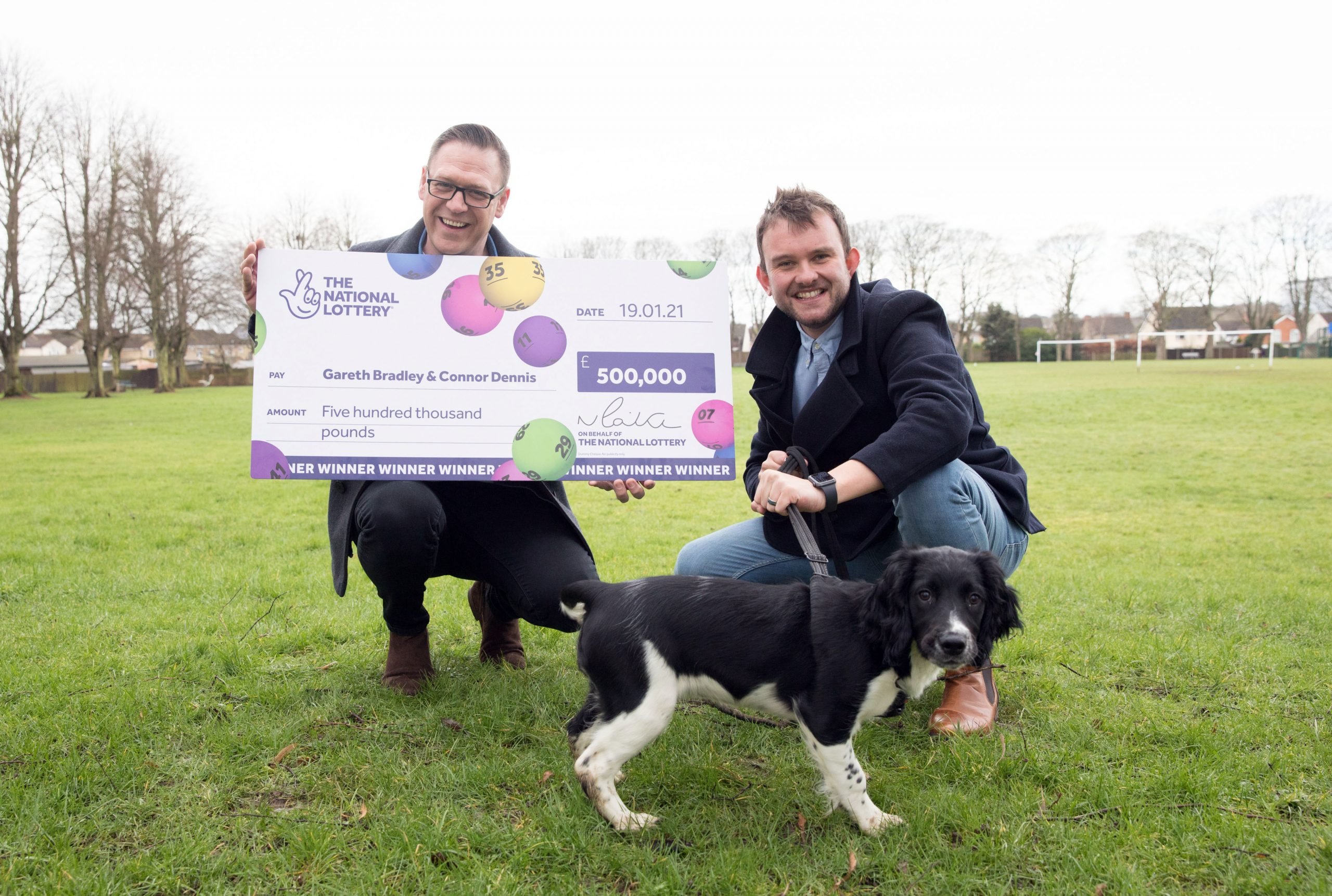
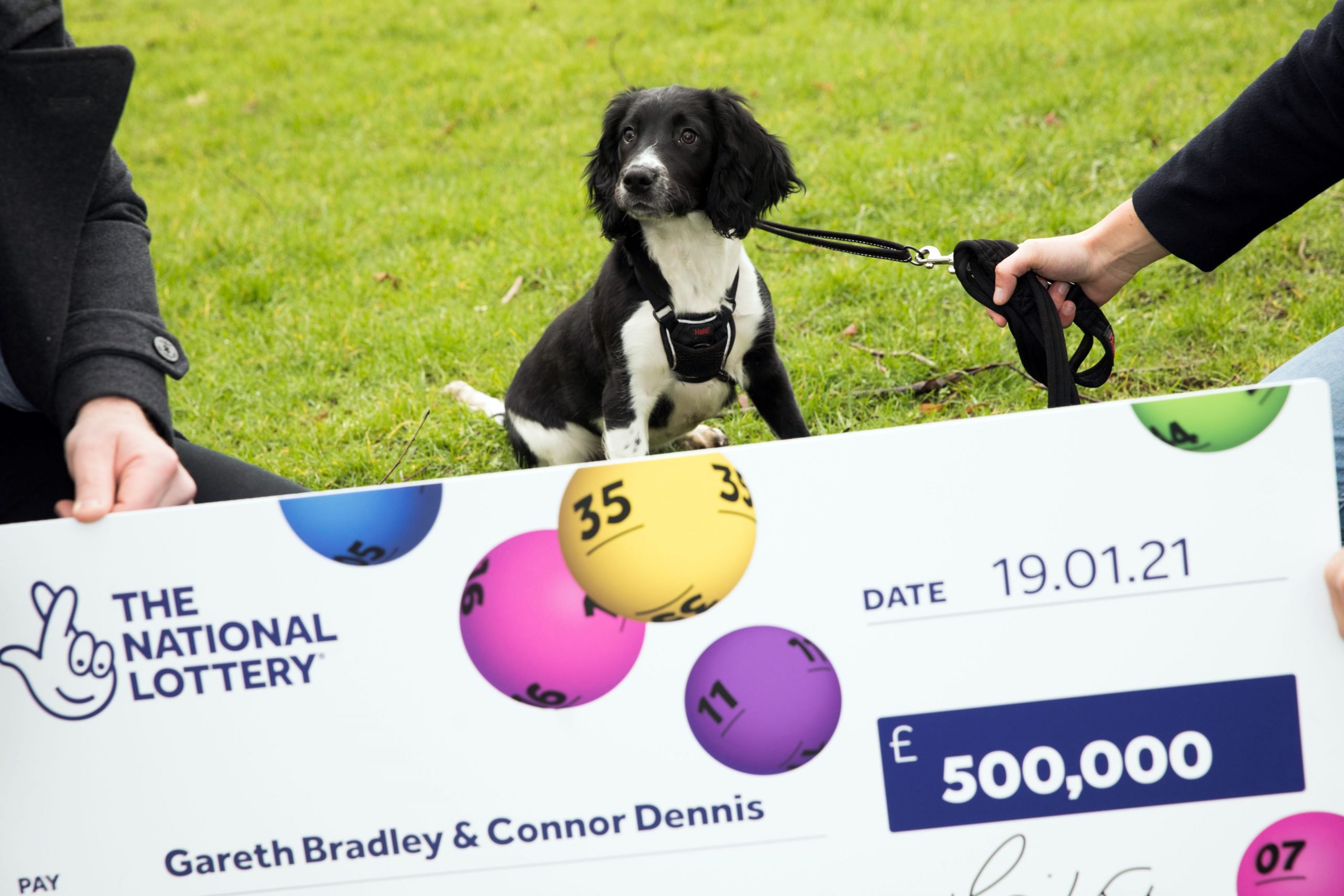
    A lucky man from Milton Keynes is celebrating after he won the £500,000 top prize on an online Instant Win Game from The National Lottery, and all while his 16-week-old puppy spent a penny.

    Gareth Bradley (41), a supermarket store manager, was running a series of job interviews from home when, in a break between calls, he logged on to his online National Lottery account and started to play the online Instant Win Game, Mega Cashword. He said,

    “I’d actually gone onto the National Lottery app to play Lotto but decided as there was a little more in the account than I realised, I’d treat myself and play an online Instant Win Game too. I’d pressed the final letter to be revealed in the game when Ruby, our springer spaniel puppy, made it very clear she needed to spend a penny. In a situation like that you don’t mess about, so I quickly put the phone down and immediately took her outside.

    “Ruby’s penny spent, we came back into the house and as I picked up my phone saw it was flashing £500,000. I just couldn’t work out what had happened, so I logged into my National Lottery account where I saw a balance of £500,000. Turns out, the last letter I pressed was the top prize-winning M!”

    Not knowing whether to scream or cry with joy, Gareth instead rang his partner of eight years, Connor Dennis (28), to share the news. Connor said,

    “Gareth sounded really shaky as he fought back the tears, saying to me ‘you won’t believe what’s happened’. Given the times we are living through I assumed the worst and that something dreadful had happened. I ran out of the open plan office thinking I needed to find somewhere private to commiserate with him, only to discover I needed somewhere private to let out some whoops of delight, but only after he’d sent me a video of the winning message to prove he wasn’t winding me up!”

    Gareth comes from a big and loving family but clearly has a reputation for the odd wind up because his three sisters and brother all asked for video evidence of his win when he rang to share the news. He said,

    “All my siblings thought it was a joke but now they know it’s real, they are over the moon for us, news of this win has given so many people a boost. We are a really close-knit family who love a laugh and a joke, but we’ve had our tough times too. We lost my mum and dad five years ago, mum in the May and dad in June, so of course we are sad they are not here to be part of this moment.”

    For Gareth and Connor, who have been working throughout the pandemic, their £500,000 National Lottery win is the culmination of a busy few months. In September, Gareth, who has twice been a proud ‘donor dad’ for very close friends, celebrated the birth of his second son, this joyful event was closely followed by a new job for Gareth, the purchase of their first home together and finally welcoming Ruby into their lives. Gareth said,

    “It’s been a crazy time all round, but I think winning £500,000 while your puppy spends a penny has to be the craziest of them all!”

    The pair have no plans to give up work, instead they will set aside a lump sum to pay off the mortgage. Connor said,

    “We can’t get our heads around how lucky we have been, we’ve only had to pay the mortgage for three months and now have the funds to never have to pay it again.

    “We know we’ve been lucky and while we do have a few frivolous plans – a Rolex for me and a Range Rover to replace Gareth’s Kia – we are not going to waste this luck. We have lots of plans to really make the money work hard so that it’s there for our families in the longer term.”

  • Puppy Found In Percy Pig Bag With Cropped Ears & Broken Neck

    The RSPCA is investigating after a tiny puppy was found dumped in a bag with cropped ears and a broken neck. Council workers made the grisly discovery in Gravesend, Kent, on Friday morning (29 January) and took the puppy’s body to a local vet who contacted the RSPCA.

    Animal rescue officer Brian Milligan was sent to investigate. He said: “The pup’s body was found wrapped up in a very distinctive pink M&S Percy Pig bag for life (pictured), wrapped in sellotape and left on top of bins in Valley Drive on Friday morning.

    “Council workers who found the little pup – a male grey, tan and white American bully type, thought to be around 10-weeks-old – took him to a local vet who alerted us.

    “Vets examined the body and found his neck had been broken. The puppy also had blood around his mouth and infected cropped ears.”

    Officers are now investigating the suspicious death of the puppy – who was microchipped but the chip wasn’t registered – and are appealing to the public for information.

    Brian added: “This poor pup has died in extremely suspicious circumstances and I’m keen to find out where he’s come from and who is responsible. I’d urge anyone with information to contact our emergency hotline on 0300 123 8018.

    “We believe the puppy’s neck may have been broken deliberately which is absolutely abhorrent. But the question remains as to why?

    “One theory is that he’d fallen ill as a result of the barbaric cropping of his ears. Perhaps he lost a lot of blood or the infection in the wounds had made him poorly and the breeders felt it would be too expensive – and would raise too many questions – to seek veterinary advice?

    [bctt tweet=”Vets don’t believe the cropping has been carried out by someone who knows what they’re doing so it looks like a do-it-yourself job as the wounds also hadn’t been stitched up.” via=”no”]

    Ear cropping is illegal in England and Wales, under Section 5 of the Animal Welfare Act 2006. It is a painful process in which a dogs’ ears are removed or surgically altered. It doesn’t benefit the dog in any way and can be seriously detrimental to their health, behaviour and long-term welfare.

    However, the practice is still legal in other parts of the world, such as the USA and some European countries, and there’s a fear that more and more dogs are being sent abroad for cropping, or being purchased and imported from overseas.

    RSPCA dog welfare expert, Dr Samantha Gaines, said: “Sadly we’re seeing more and more dogs of certain breeds and types – such as American bullies like this little puppy – having their ears cruelly cropped. Pups with cropped ears can sell for sky-high prices and we’re incredibly concerned that their popularity is prompting a resurgence in cropped dogs and may be normalising and glamorising this wholly unnatural look.

    “Dogs should never be mutilated for cosmetic purposes and, while this practice has been illegal in this country for a long, long time, we’d like to see regulations introduced to ban the importation of cropped dogs into the UK* as well a crackdown against those who are carrying out this barbaric practice here in England.

    “The RSPCA will look into reports of ear cropping and we’re seeing increasing reports of the practice made to us. If you suspect someone is cropping dogs’ ears please call our emergency hotline on 0300 1234 999.”

    Brain added: “I want to know what happened to this puppy but I’m also extremely worried about his littermates. There could be more pup’s with infected cropped ears who are getting sicker and sicker who need urgent veterinary attention.

    “So I’d implore anyone who has bought a similar dog in this area recently or who knows where this puppy may have come from to call us as soon as possible.”

    Reporting Cruelty To RSPCA?

  • Dog Owners Warned As Millions Of Pets Suffer Poisoning Harm

    Dog owners need to be aware of a silent killer, often found in their own home, as 7.1 million cats and dogs have fallen ill after digesting something toxic, with one in nine pets poisoned last year. Over a quarter of dog owners (4.6 million people) and a fifth of cat owners (2.5 million) believe their pet has fallen ill after consuming something poisonous according to the study by Direct Line Pet Insurance.

    Dog poisoning research: key findings

    • On average vets treat 323 dogs and 56 cats for poisoning every day across the UK
    • One in six (17 per cent) poisoned dog and cat owners believe their pet was poisoned deliberately
    • Claims data reveals Labradors, Cocker Spaniels and Poodle crossbreeds to be the three dog breeds most commonly poisoned over the last two years
    • 4.6 million dog owners and 2.5 million cat owners believe their pet fell ill after consuming something poisonous, with one in nine pets being poisoned last year
    • On average vets treat 323 dogs and 56 cats for poisoning every day across the UK
    • One in six (17 per cent) poisoned dog and cat owners believe their pet was poisoned deliberately
    • Claims data reveals Labradors, Cocker Spaniels and Poodle crossbreeds to be the three dog breeds most commonly poisoned over the last two years

    Dogs getting seriously ill by poisoning

    The study revealed that three in four dogs (69 per cent or 3.2 million) that were poisoned became so unwell that they had to be taken to the vet and 342,000 (seven per cent) died as a result. More than three quarters (71 per cent or 1.8 million) of poisoned cats also had to be taken to the vet and 237,000 (nine per cent) subsequently died.

    Vets estimate that nearly 120,000 dogs were treated for food or substance poisoning last year, equating to 323 dogs every day. Over 20,400 cats were treated in 2020 for poisoning – that’s 52 cats poisoned per day. Sadly, vets claim that these high levels of poisoning have remained consistent for the past three years with no indication of cases declining.

    Deliberate poisoning of dogs and cats

    Worryingly, half of dog and cat owners (49 per cent) whose pets were poisoned suspect it was done deliberately, with one in six (17 per cent) being certain that the poisoning was with intent. Family members are the main suspected culprits (17 per cent), closely followed by strangers (16 per cent) and neighbours (15 per cent).

    Where dogs are being poisoned

    The most common place that pet owners suspect their pet was poisoned is while on a walk with either them or a friend or family member (26 per cent).

    This is followed by the garden (16 per cent) and while outside with a paid walker (15 per cent). Pets consuming something poisonous at home while supervised (eight per cent) and at home alone (seven per cent) complete the top five most common locations.

    The vast majority (91 per cent) of pet insurance claims for poisonings are made for dogs. The dog breeds that have been most affected by poisoning over the past two years are Labradors (13 per cent), Cocker Spaniels (six per cent) and Poodle crossbreeds (three per cent). Golden Retrievers (three per cent) and Spaniel crossbreeds (three per cent) complete the top five.

    Chocolate, grapes and onions: a common danger

    Chocolate is listed as a main cause of dog poisoning by 91 per cent of vets. A further 54 per cent say grapes are a leading issue, while 51 per cent say medication can be a major source of poisoning.

    One in seven (14 per cent) identified onions and 10 per cent said household items. In contrast, the main causes for cat poisoning are from outside the home.

    More than half (54 per cent) of vets claim wildlife is one of the main causes of cat poisoning, with 40 per cent specifying lilies and 33 per cent saying plants and foliage were large contributors. Rat poison (29 per cent) and mouldy foods (17 per cent) were also listed as being very dangerous.

    Most common causes of pet poisoning identified by vets

    Dogs Cats
    Chocolate 91 per cent Wildlife 54 per cent
    Grapes 54 per cent Lilies 40 per cent
    Medication 51 per cent Plants/foliage 33 per cent
    Onions 14 per cent Rat poison 29 per cent
    Household items 10 per cent Mouldy food 17 per cent
    Plants 4 per cent Rotten foods 16 per cent
    Mouldy foods 3 per cent Cheese 13 per cent

    (Data source: Direct Line Pet Insurance 2021)

    January is the worst month for poisoning claims for both cats and dogs, with a fifth (19 per cent) of all poisoning-related claims in 2020 taking place in January – amounting to nearly 2,000 claims, or 62 every single day.

    Madeline Pike, Veterinary Nurse for Direct Line Pet Insurance, said:

    “Pets are part of the family and seeing your dog or cat unwell is a pet owner’s worst nightmare, especially if you suspect it is due to someone else being careless, whether accidentally or deliberately.

    Beware of foods that are poisonous to dogs

    “There are many foods and substances that are harmful to animals and it is important for owners to educate themselves and those around them about these. To minimise the risk of your pet eating something that could make them ill, there are some precautions you can take at home. Make sure to keep food locked away, secure your bins and remind guests not to leave food out.

    “If any pet owners are concerned that their cat or dog may have consumed something poisonous, vets have identified the most common symptoms to look out for including; tremors, excessive panting, high heart rate and sickness/diarrhoea.

    “Direct Line pet insurance customers receive 24/7 access to a vet via PawSquad with live chat or video calling. You can use the service for free, from the comfort of your own home and get any questions directly answered by a vet.”

  • Urgent Advice For UK Dog Owners Who Feed Pedigree Or Chappie (Dog Food Recall)

    Mars Petcare UK has announced the proactive recall of a limited number of products, including CHAPPIE® Complete, PEDIGREE® Dry Mixer and PEDIGREE® Complete Dry Chicken and Vegetables products.

    The company has urged owners to discontinue feeding specific products immediately and to contact the company.

    Mars statement on product recall:

    These products do not meet our high quality and safety standards and could contain levels of Vitamin D which may cause harm to your pet if consumed over several weeks, so we are taking this proactive step to retrieve the listed products.

    We ask consumers who have purchased these specific, affected products to immediately cease feeding it to their pet and contact our consumer care team for more information.

    If you have fed this product to your pet and in the event they are showing signs of illness, such as excessive drinking and urination, we encourage you to seek veterinary advice.

    The Lot Codes and Best Before Dates listed in the table below are the only products impacted.

    Mars Petcare UK is working with all of our distributors and retailers to ensure that the recalled products are no longer sold and are removed from inventory.

    The Lot Codes and Best Before Dates of the products impacted are detailed in the below table and are the only products impacted. Each product will have a lot code and best before date printed on the bag.

    https://i.imgur.com/TQcnzDj.png

    The following Pedigree and Chappie products are affected by the recall:

    • PEDIGREE® Mixer Adult Dry Dog Food Original (3kg) (PRNewsfoto/Mars Petcare UK)
    • PEDIGREE® Mixer Adult Dry Dog Food Original (10kg) (PRNewsfoto/Mars Petcare UK)
    • PEDIGREE® Adult Complete Dry Dog Food with Chicken and Vegetables (2.6kg) (PRNewsfoto/Mars Petcare UK)
    • PEDIGREE® Adult Complete Dry Dog Food with Chicken and Vegetables (12kg) (PRNewsfoto/Mars Petcare UK)
    • CHAPPIE® Complete Chicken Dry Dog Food (3 kg)

    Mars say that their other pet food products in the UK are not affected.

    The company adds:

    At Mars Petcare, we take our responsibility to pets and their owners very seriously. We care deeply about pets and would like to sincerely apologise for any concern caused.

    Pet owners who have questions about the recall should contact Mars Petcare Customer Service at 0800 013 3131 or visit https://uk.pedigree.com/about-us/contact

  • Warning To Dog Owners After Man Impersonates RSPCA Officer

    Warning To Dog Owners After Man Impersonates RSPCA Officer

    The RSPCA is issuing a warning to dog owners after a concerning incident in London in which a man posed as a charity worker in an attempt to gain access to a puppy.

    The charity was alerted after a man knocked on a resident’s door in the New Southgate area of north London.).

    The man said he was from the RSPCA, had received a complaint about a barking dog and asked to see the owner’s golden retriever puppy.

    RSPCA Chief Inspector Clare Dew, who leads part of the London team, said:

    “Thankfully the dog owner was immediately suspicious of the man, who was wearing no uniform. They secured the door with the security chain and refused to allow the man access to the puppy.

    “The man left the address and the puppy’s owner contacted us. I checked to see if we had any officers in the area at the time and we didn’t.”

    They also alerted police.

    The RSPCA is now issuing a warning to Londoners, as well as people across England & Wales, to always check the identity of officers who come to your home.

    Clare added: “We would like to remind and reassure the public that our inspectors and rescue officers all wear branded uniforms and carry ID.

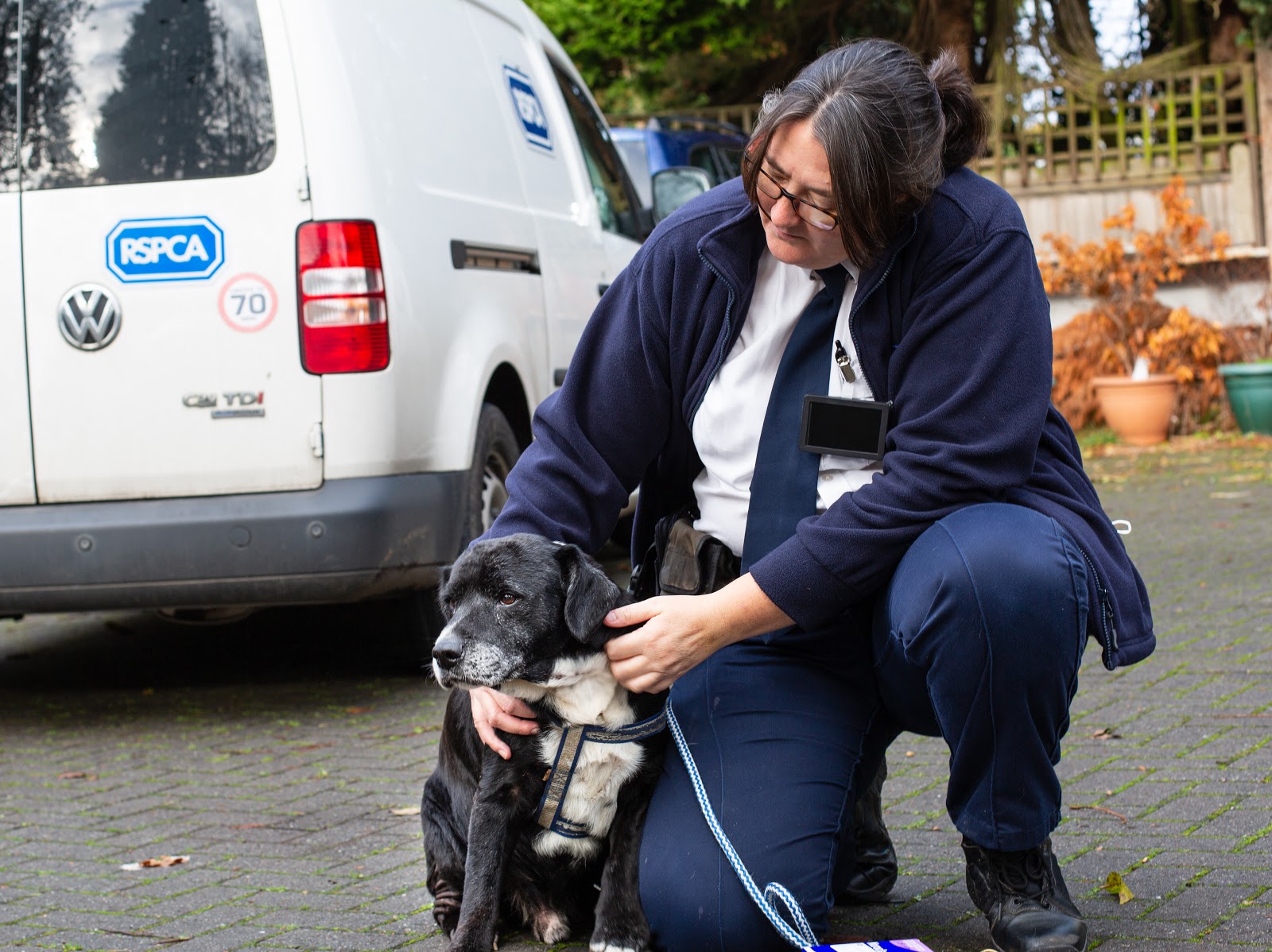
    “If one of our officers knocks on your door, please ask to see their ID and check their uniform for branding. Our staff wear navy blue uniforms with the RSPCA logo, as well as white shirts with black ties and black epaulets.

    “Most of our officers drive either white vans or fully branded, wrapped RSPCA vans. All staff vehicles in London feature large branding imagery so are also easy to spot.”

    RSPCA officers have no powers of entry to homes, gardens, land or vehicles, unless accompanying police on a court warrant.

    Clare added: “Our staff can only access your property if you give them permission and can only see your pets with your approval. If you are at all concerned that someone isn’t who they say they are then you do not need to grant them access and you can call our hotline on 0300 1234 999 to check their credentials.”

    Dog thefts on the rise

    The charity is urging all pet owners to be on alert after a reported increase in pet thefts during lockdown, as the demand for pets – and their value – has skyrocketed.

    “We’re concerned that this man may have been posing as an RSPCA inspector in order to snatch this puppy, and that’s extremely worrying,” Clare said. “We understand that there have been a surge in the number of pet thefts during the past year due to the value of many breeds and the demand for pets during lockdown.

    “We’d urge people to take extra precautions to protect their pets from thieves by neutering them, ensuring they’re microchipped with up-to-date contact details registered and ensuring they wear a collar with an ID tag or embroidered contact details.

    We’d advise dog owners never to leave their pets tied up outside shops or alone in cars, to ensure their dog has a good recall and doesn’t stray too far when being walked off-lead, and ensure gardens are secure with locked gates.

    “If you are concerned someone may have posed as an RSPCA officer or another agency worker please report the incident to us and to the local police. And if you believe your pet has been stolen please contact the police as soon as possible.”

  • Understand Dog Walking Rules During UK Lockdown

    The RSPCA has renewed calls for local authorities to consider easing some locally-imposed rules on where dogs can be exercised to help dog walkers comply with lockdown rules and stop the spread of Covid-19.

    Many Councils across England and Wales have previously introduced Public Spaces Protection Orders (PSPOs), which often include strict rules on where dogs cannot be walked. There have long been fears that this can restrict suitable dog walking spots in some local communities.

    As England enters another national lockdown, and with Wales already under national Tier 4 restrictions, the RSPCA has renewed its calls for Councils to explore a temporary relaxation of PSPOs related to dog walking to help stop unnecessary travel; enabling dog walkers to exercise within their immediate communities and comply with lockdown measures.

    In England, as of 5 January, people may only exercise once a day, though multiple people from the same household can use this daily exercise to walk the same dog. Meanwhile, in Wales, while there is no limit on how often someone may exercise, people must not travel for exercise, including dog walking – which must start and begin from home.

    These restrictions can create issues for dog walkers who may have local options for exercising their canine companions curtailed by PSPOs. There is concern this could encourage some people to travel to find suitable dog walking spots for their animals – potentially unwittingly breaching Covid-19 rules in the interests of their dog’s welfare and exercise needs.

    Dr Samantha Gaines, head of the RSPCA’s companion animals department, said: “With England and Wales now both in national lockdowns, there are clear restrictions in place concerning exercise, which will impact many dog walkers.

    “In England, exercise is again limited to once per day – and should not be done outside the local area; while in Wales, while exercise is unlimited, this must start and begin at someone’s home.

    “Many local authorities have previously introduced Public Spaces Protection Orders that stop dogs being walked in certain areas – including some sports pitches, green areas and fields. In some areas, there are concerns this restricts the availability of suitable dog walking spots.

    “With restrictions now back in place on travel for exercise, this can really limit the dog walking options some people have and creates something of a postcode lottery for dogs and their owners – with many PSPOs across England and Wales meaning local marked sports pitches and fields can be out of bounds too for dog walkers.

    “If dog owners do not have adequate space to exercise their dogs near their homes, they may make journeys beyond their immediate communities and unwittingly breach Covid-19 rules, aimed to stop the spread of this awful disease. We’re calling on local authorities to be flexible at this time and temporarily relax PSPOs where it is safe and appropriate to do so, to help keep people local and protect dog welfare.”

    The RSPCA is also advising the public to keep dogs on leads at this time – to help ensure social distancing and avoid owners having to come into close contact with one another should they have to go and retrieve their dog.

    Owners of dogs have also been reminded that a friend, relative or someone in the local community may be able to help a vulnerable person, or someone who is self-isolating, with their dog walking – but to closely follow guidance on handover protocols and safety from the Canine and Feline Sector Group (CFSG) and Animal Welfare Network for Wales (AWNW).

    Dr Gaines added: “It’s going to be a difficult period for dog owners, and we’d urge them to research ways to help keep their pets entertained, stimulated and active when inside the home.

    “We all must do our bit to stop coronavirus – and keeping dogs on leads at this time can help ensure social distancing, and will avoid owners unnecessarily coming into contact with one another should a pet need to be retrieved.

    “Many people also face the prospect of self-isolating, or shielding, and it’s important people remember that someone else in your local community – whether a family, friend or professional dog walkers – may be able to walk your dog, if they’re following handover protocols and advice from groups like CFSG and AWNW.

    “After almost ten months of restrictions already, we know this is a tough time and we expect to be inundated with questions from concerned pet owners – so we urge people to spread the word and share guidance on the RSPCA website.

    “RSPCA officers will continue on the frontline responding to emergencies during this unprecedented time, and members of the public can support this work and help give a lifeline to animals online.”

    Dog walking rules in England and Wales – following national lockdowns being introduced

    England

    Wales

    • People must limit exercise away from the home to once daily.

    • People should not travel outside of the local area to exercise.

    • Each person in a household can use their daily exercise to walk the same dog.

    • If you are self-isolating, use your garden as a place for your dog to toilet and play.

    • Someone else may be able to help walk your dog, but must follow advice.

    • There is no limit on how often someone may exercise.

    • People should not travel at all for exercise, including dog walking. It must start and begin from home.

    • If you are self-isolating, use your garden as a place for your dog to toilet and play.

    • Someone else may be able to help walk your dog, but must follow advice.

    The RSPCA has published advice for pet owners on looking after their animals during the ongoing coronavirus pandemic.

  • If You Want To Get A Date, Adopt A Staffordshire Bull Terrier

    New dating app experiment reveals the dog breeds most likely to get you matches!

    • Canine Cottages have conducted a dating app experiment, putting profiles on popular dating apps to see which dog breeds help to score the most swipes
    • Staffordshire Bull Terriers were the most swiped dog breed on female profiles, while Jack Russells were the most desirable for male profiles
    • Experts reveal why people use dogs in their dating profiles to up their A-game

    Looking for love online? A new experiment reveals the dog breeds that will help you get the most swipes on dating apps.

    The research carried out by Canine Cottages, used one female and one male participant’s picture. Images of the most popular dog breeds were then photoshopped on each picture.

    Setting these profiles live on Tinder, Hinge, and Bumble, Canine Cottages then analysed the number of likes and swipes each profile gained from the experiment to determine which pooches get the nation’s hearts pounding the most.

    Dog breeds most popular amongst men looking for love

    1. Staffordshire Bull Terrier (121 swipes)
    2. Chihuahua (110 swipes)
    3. Mixed Breed (104 swipes)
    4. Cockapoo (101 swipes)
    5. Jack Russell (90 swipes)
    6. German Shepherd (84 swipes)
    7. Cocker Spaniel (82 swipes)
    8. Labrador (70 swipes)
    9. French Bulldog (65 swipes)
    10. Shih Tzu (62 swipes)

    The Staffordshire bull terrier, or Staffy as it’s most commonly known, was the most swiped dog breed on the female profiles, amassing 121 likes from potential pooch-loving partners.

    At the other end, a French Bulldog (65 swipes) and Shih Tzu (62 swipes) were the breeds with the least number of swipes from men, but at 65 and 62 swipes, there’s definitely still a lot of French bulldog and Shih tzu lovers out there!

    Dog breeds most popular amongst women looking at men’s profiles

    1. Jack Russell (20 swipes)
    2. Cockapoo (19 swipes)
    3. Labrador (18 swipes)
    4. Mixed breed (17 swipes)
    5. German Shepherd (15 swipes)
    6. French Bulldog (13 swipes)
    7. Chihuahua (12 swipes)
    8. Shih Tzu (11 swipes)
    9. Cocker Spaniel (10 swipes)
    10. Staffordshire Bull Terrier (9 swipes)

    Interestingly, while a Staffy was the most swiped dog breed on the female profile, it’s the least swiped dog breed on the male profile, with just 9 women swiping right on the male profile with the Staffy – 172% fewer swipes than on the female profile!

    It seems men and women have somewhat different ideas on which dogs are the most ‘swipeable’ to them.

    The experiment suggests that women are more drawn to men with more conventional, widely popular breeds such as Cockapoos and Labradors, while men prefer Staffys, Chihuahuas, and mixed breeds – breeds that are conventionally less popular – but still hugely adored!

    So, why do so many people use dogs on their dating profiles? James Preece, celebrity dating coach & relationship expert, says: “Adding a photo of a dog can be a great idea if you want to be successful at dating. It provides an instant, fun icebreaker and makes it easy for someone to start a conversation. Rather than try and think up something to say, all they need to do it ask a question about the dog.

    “It also shows they are active and kind. If the dog loves them then other people will do too.  For those looking for someone to start a family, it’s also a fantastic way of showing that you are a care giver and able to look after something other than yourself.”

    Commenting on the research, Shannon Keary, Campaigns Manager at Canine Cottages, says: “We are truly a nation of dog lovers, and many people are more drawn to people with pet dogs as they are generally seen as more affectionate and loving.

    “In this campaign, we wanted to reveal exactly which dog breeds are the most ‘swiped’ on dating apps and see if there are any differences between the way men and women interpret different dog breeds. We staged dating profiles using the same pictures of each participant to make the experiment fair, and the results are really fascinating! It’s especially interesting to see that men were more drawn to a woman with a Staffy on their profile, while for a woman it was a Jack Russell.

    “This is a fun campaign and we’re pleased that we’ve been able to uncover once and for all what dog breeds really make the nation tick!”