Author: Ryan O’Meara

  • ‘Vulnerable’ British Dog Breeds to Become Extinct: Danger or Drivel?

    ‘Vulnerable’ British Dog Breeds to Become Extinct: Danger or Drivel?

    Over the past few years The Kennel Club, in their infinite wisdom, have busily been calling for the saviour of some ‘endangered’ or ‘vulnerable’ British pedigree dogs. So concerned are they about the plight of some breeds a prominent article in The Independent informed us that the blame is firmly being placed at the feet of ‘Johnny Foreigner’. Yes, it’s all the fault of foreign imported breeds and we should all make a more concerted effort to “buy British”.


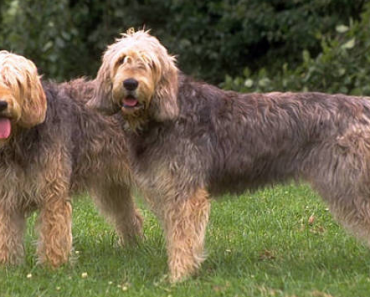
    Are Otterhounds to go the way of the Dodo?

    To the average pet loving reader, already pre-occupied with the plight of the disappearing Polar Bears, Black Rhino and Red Wolves, such an alarming piece of news could set off a panic. However, if we wade through the hyperbole, what shines through an otherwise unenlightening article like a beacon is that this whole story is – perhaps – nothing more than irresponsible spin, encouraging the production of more dogs which are clearly proving to be less than popular with the pet owning public at large. Let us examine.

    “There is a pedigree breed for everyone” Said Bill Lambert of the Kennel Club in the article. Conveniently ignoring the whole concept of cross and mixed breed dogs. The agenda on the table here is that the Kennel Club are concerned about the numbers of dogs that are being bred being too low. Whilst every other animal welfare organisation in the country, possibly the world, is pushing for breeders and owners to limit the litters they produce, the Kennel Club is using the national media to encourage people to populate the country with puppies, the breeds of which are already proving to be unpopular.

    A case in point is the Otterhound. The Otterhound was extremely useful in the seventeenth century, with its webbed paws, it would sweep majestically through water to hunt otters. Nowadays, we don’t hunt otter, so the breed has become less popular.

    Vet Emma Milne, star of the hit TV show Vets in Practice and an outspoken animal welfare campaigner is not fooled by the Kennel Club spin:

    “In my opinion the KC should be spending a lot more time and energy trying to improve the health of these breeds rather than merely trying to get numbers through the door. The Otterhound is a classic example. I’m sure when the breed originated it was highly athletic and well-adapted for purpose. As with so many breeds that are no longer needed for a purpose, looks have become more important for selection than health. The Otterhound has the worst hip record of any dog breed scored. Until the KC starts making health testing compulsory and takes a decent stance on pro-active dog health and welfare their wish for more puppies is, quite frankly, offensive.”

    But the Kennel Club thinks it would be a good idea to breed more of these dogs and uses a page straight out of the BNP handbook for getting attention. The old “Foreign imports are to blame for eroding something traditional and British”, trick.

    The Otterhound is a nice dog, friendly and intelligent with boundless energy and bred for a very specific purpose. But natural dog ownership trends have proved that the breed is not suitable for that many people today. Yet we are expected to agree with the Kennel Club that the right thing to do would be to stimulate an artificial demand for the breed on the grounds that it may become ‘extinct’ if we don’t? What rubbish.

    Ever since the domestication of the dog, different breeds have been popular, with spikes and dips in popularity dictated by taste and necessity. Using the language of fear as it applies to entire species and sub-species of wild animals, words such as ‘extinct’ and ‘endangered’ is misguided at best, downright scaremongering at worst.

    The aim, clearly, is to grow the numbers of these breeds. But how and why is it the job of anybody but society at large to dictate demand for the type of domestic pets we choose to own? When Disney puts out a film about Dalmatians we see a spike in trend. We see more Dalmatians in rescue centres the year after. Why? Because the sort of Dalmatian breeder/supplier who is prepared to let someone have a cute black and white spotty puppy on the basis that they felt compelled to own one after prompting from the big screen imagery, or the newspapers or magazines or the media in general, is, let’s be honest, not in any way, shape of form a responsible person to be selling dogs. They are capitalising on an trend created artificially by a larger movement.

    Caroline Kisko, Kennel Club secretary, said: “Everybody is talking about the post-Olympic baby boom, but perhaps the celebration of our British heritage has helped lead to a revival of some of our native breeds.

    “Fashion and profile have the most influential impact on dog choice and we are pleased to see there is still a place in people’s hearts and homes for our British vulnerable breeds.”

    Fashionable Dogs: A Very Bad Idea

    Artificially creating a demand by playing to the human’s sense of idealistic emotion is not, has not, nor ever will be a responsible message to hit the general public over the head with. Demand can only be met if the supply is there. So let us assume the Kennel Club’s message does hit home and there is a sudden demand for more Otterhounds. Who meets that demand? Do established Otterhound breeders all of a sudden click back into action, dust off the old whelping boxes and get set for the endless stream of well prepared, wel researched army of followers suddenly attracted to their breed? Unlikely. The established, responsible Otterhound breeders are not currently flooding rescue centres with the product of their unwanted offspring. They tend to be supplying dogs to people who have discovered the Otterhound ‘naturally’. And you know who’d be first in the line to capitalise on the increased demand for Otterhound puppies should an artificial interest in the breed be stimulated via the media don’t you? You guess correct reader. It would be the self same breeders/suppliers who cashed in on the Dalmatian’s popularity when Disney pulled the same trick. Or the St Bernard when Beethoven was doing the rounds on the silver screen. We tend to call those people commercial dog dealers. Interested more in cashing in on ‘trends’ for dogs than actually improving or developing a breed.

    To encourage more people to own these breeds so that they can justify the act of breeding the dogs in the first place. They are playing on people’s fears by saying the breeds are being driven to extinction by foreign imports.

    Emma Milne agrees: “The KC and many lovers of rare breeds of all species use this fear often. Breeds are a totally man-made concept created by in-breeding. Using the word ‘extinct’ conjures up images of the dog species becoming extinct. In fact, on welfare and health grounds it can be argued that some breeds should become extinct because of their appalling conformation and inherited disease.”

    With thousands of dogs, pedigree and otherwise, in rescue centres right at this very second, it’s saddening that the organisation that claims to exist for the benefit of dogs, is keen to influence trends. There is no getting away from the fact that by encouraging the demand for breeds who are proven to be less popular already, that demand would have to be met by an increase in supply. Who, after all, is or indeed should be influenced in their dog of choice by a message put out by the media? Don’t we usually condemn that sort of thing?

    Over one hundred thousand dogs in rescue centres all over the United Kingdom and the Kennel Club is aiming to stimulate a growth in breeds that have proven themselves to be less and less popular in the first place?

    The way in which this ‘message’ this ‘call to arms’ is being put across is most unsavoury.

    By saying that people should choose dogs that suit their situation, they are contradicting themselves in the same breath by pushing people toward these ‘rare’ breeds. If the demand does not exist for these breeds naturally, maybe there is a reason?

    The ‘resurrection’ of the popularity of the British Bulldog was recently hailed a great success by the American version of the Kennel Club. A once fine dog breed, now reduced to a shadow of its former self in terms of health, functionality and purpose. Yet there are celebrations abound that this one great dog breed is now back in the popularity polls.

    According to AKC breed registrations, Bulldogs shot up 62 percent in popularity over the past ten years, and increased five percent over the last year. Why? How? You might ask. Is it because they’re all of a sudden much healthier, living longer, or they have escaped from the debilitating conditions they’ve been afflicted with since they started to hit the tip of a genetic bottleneck? Well, no. Because the French Bulldog is also on the rise. And according to AKC spokesperson Lisa Peterson, that can be put down to:

    “There must be a thing for that pushed in face – it is cute, and they’re wonderfully fun. Frenchies certainly have a sense of humour,”.

    Don’t worry. You DID read that correctly. It’s all about ‘the pushed in face and the sense of humour’. Funny eh?

    Emma Milne perhaps doesn’t see it quite such a humorous light:

    “Bulldogs are a major cause of concern as far as health goes and can suffer from skin, eye, and skeletal disease to name a few, not to mention the fact that the breed is virtually incapable of giving birth any more. Without veterinary intervention both at the time of birth and throughout life for various deformities this breed would die out within a generation or two”.

    In the Independent’s article, a graphic illustrates some of the breeds on the ‘endangered list’. Many will be surprised to see the Greyhound in at number 48. I say surprised because if looking around UK dog shelters has taught me anything, it’s that there is no shortage of Greyhounds looking for new homes. Not quite the same though. You need to be aware of that. The Greyhounds the KC are talking about are ‘different’ to the ones stacked up to the rafters in dog adoption shelters throughout the country.

    If nothing else, surely the fact the Greyhound is on the ‘endangered’ list makes a mockery of the whole thing.

    Please, do not be in anyway put off by considering any of the breeds appearing on the ‘rare’ list. Make your dog ownership decisions according to your lifestyle, conscience and the fruits of your research. There ARE some fantastic dogs on that list. But please, we urge you, don’t be fooled into owning a ‘rare’ breed because the Kennel Club tells you that if you don’t, you are, by-proxy, contributing to their demise and eventually ‘extinction’ a dog breed cannot become extinct. We (man) created them ourselves in the first place. Saying a dog breed can become extinct is like saying Nylon could become a extinct or Ipods could become extinct or the world’s supply of Bic razors could disappear – we, dog owners, decide on the dogs that are popular and we do it for a whole range of different reasons. We cannot make dog breeds become extinct unless we make the species extinct. And it doesn’t look like that’s something we’ve got planned for the immediate future.
  • Open Letter to the Kennel Club Says What a Lot of us Are All Thinking

    Open Letter to the Kennel Club Says What a Lot of us Are All Thinking

    Open letter to the Kennel Club in response to your Puppy Awareness Week email asking me for “help putting bad breeders out of business”

    This is a wonderful idea. Puppy Farmers need to be stopped. As a dog lover, I would love to help put the bad breeders out of business and ensure that puppies are bred by those who truly care about their welfare. I would also gladly help give potential puppy owners vital information about the most responsible way to find and buy a puppy.

    This is a subject close to my heart as, having sought advice from the Kennel Club on where to find a responsibly-bred Cavalier puppy and then buying from a “top” breeder on the recommendation of a breed club Puppy Advisor, my little dog was diagnosed with severe Syringomyelia (SM) aged two. In hindsight, she started showing symptoms as early as six months. It transpired that the Kennel Club registered parents of my puppy had no recorded health tests and, to this day, the breeder has been unable to provide evidence that any of the required or recommended health tests were done despite the well-documented inherited health problems in the breed.

    It took me 18 months to find my next puppy from genuinely responsible breeders. Why so long? Because most Cavalier breeders, despite what they claim, do not test their breeding dogs or follow the breeding recommendations designed to reduce the incidence of the two most severe and painful health conditions.

    These experiences have meant that I cannot, in all conscience, spread the word about buying from a Kennel Club Assured Breeder. I know only too well that the Scheme requires very limited testing, which in no way addresses serious inherited health issues and the non-compliance of breeding protocols by the majority of Cavalier breeders.

    I’m afraid that the Kennel Club itself first needs to put in place stringent steps to prevent the KC registration of litters from Puppy Farmers. Caroline Kisko, the Secretary of the Kennel Club, has recently said “We want to stress to people they should never pay money to someone they suspect of being a Puppy Farmer”. Your own KC website defines Puppy Farmers as “high volume breeders who breed puppies with little or no regard for the health and welfare of the puppies or their parents”. It must therefore be of concern to all who support the PAW campaign that one such high-volume breeder is shown as registering 11 Cavalier litters in three months in your latest Breed Record Supplement. The 11 mothers and four stud dogs have no health tests whatsoever shown on your website.

    There are many doing great work to draw attention to the misery caused by puppy farming. Surely, this sort of inconsistency undermines the efforts of so many committed and hard-working people?

    I would like to draw the Kennel Club General Committee’s attention to a petition that has already gathered over 17,000 signatures. It promotes an idea that would identify responsible Cavalier breeders and so remove Puppy Farm dogs from KC registration: https://www.change.org/p/the-kennel-club-stop-registerin-g-cavalier-king-charles-spaniel-puppies-unless-their-parents-are-mri-scanned-and-heart-tested

    By implementing the suggestion that only litters from health-tested Cavalier parents are accepted for registration the KC would ensure that irresponsible breeders, who will not pay for health tests, are unable to register their poorly-bred litters. Buyers could then be confidently directed to the Kennel Club as truly being the place to find responsibly bred puppies. As a really significant bonus, the information on health testing would go to researchers so better testing and breeding methods can be devised?

    Yours faithfully

    Charlotte Mackaness

  • Kennel Club Hypocrisy on Puppy Farming Should Anger All

    Kennel Club Hypocrisy on Puppy Farming Should Anger All

    Did you know, The Kennel Club have cashed the cheques and endorsed the registrations from high volume breeders (more than 10 litters per year) – the sort of breeders you and I may refer to as puppy farmers? Why does it matter? Well, The Kennel Club, you see, are keen to bring your attention to the plight of puppy farmed dogs and the horrors those pups are subjected to by the commercial dog dealers who produce them.

    They’re also keen to tell you that the solution lies in the Kennel Club’s very own Assured Breeder Scheme (convenient, eh?). Tell me, please, in what other walk of life do you get to take (and bank) the money of the very people you are campaigning against and NOT be called a hypocrite for it?

    Puppy farming in the UK is an horrendous, ugly trade that has been left completely open for the unscrupulous to exploit and profit from for years and years and years. It’s as rife now as it’s ever been.

    Puppy farmers breed dogs with the sole aim of lining their pockets. They don’t breed dogs with the sole aim of improving their breed and producing healthy, functional dogs – which should, I’m sure most right minded people would agree, be the only good reason to ever breed a single litter of dogs.

    Puppy farmers have been registering their dogs with the Kennel Club. The Kennel Club knows this.

    Kennel Club registration, you see, adds ‘value’ and can raise the price a breeder may charge for their stock. Very few would argue that point. If it were untrue, Kennel Club registrations would hardly be sought be any breeder. It also leads the public in to thinking they are buying quality. That’s an error. The Kennel Club won’t deny that. A piece of paper from the Kennel Club guarantees nothing other than the fact the breeder has filled some forms in and sent the Kennel Club some money.

    The puppy farmer wants Kennel Club paperwork in order to present a credible façade or, believe you me, they would NOT be spending the extra money on doing it – profit margins are crucial to the commercial dog producers and dealers. Some puppy farmers don’t bother with Kennel Club registrations and others do. It is, however, a fact that what you and I would describe as a puppy farmer do indeed get Kennel Club endorsed paperwork when selling their puppies.

    The Kennel Club has acknowledged that high volume breeders use its registry. Take a look at the minutes from a previous Kennel Club meeting, held at a time when the Kennel Club was preaching about puppy farm problems at the Assured breeding scheme was operating under a different ‘brand name’:

    “Dr Sampson advised that Bill Lambert, the Accredited (now Assured – ed) Breeder Scheme advisor, does inspect and completes around 50 visits per year. All breeders (mostly who own multiple breeds) who breed more than 10 litters per year have been visited and some removed from the list.”

    The above comes from a breed council meeting. Re-read it if you like.

    All breeders – mostly who own multiple breeds – who breed more than 10 litters per year.

    Let’s give the quote some context. The above response is cited in the minutes from the meeting in relation to the following:

    “The question was raised concerning checks on breeders premises and whether any Accredited Breeders had been taken off the list for non compliance.”

    Now, this is a nice hypothetical for you: If you heard about a breeder producing fewer than 10 litters per year, let’s say, oh I don’t know, maybe nine litters? Who also owned ‘multiple breeds’ – what would you think they might be labelled as? A ‘high volume’ dog breeder? A puppy farmer perhaps?

    The Kennel Club operates different registries. From their own website:

    The Kennel Club is dedicated to canine wellbeing and registers over 250,000 pedigree dogs every year and many crossbreeds too. This knowledge helps to maintain the integrity and health of dogs. (Source)

    Let’s move on though because I have another hypothetical question for you.

    You run a dog breed registry.

    You don’t like puppy farmers. Or, let’s call them ‘high volume dog breeders’. You’re so aghast at puppy farming, you’ll issue statements and declare how much suffering such breeders/producers/farmers cause for the health and well-being of dogs.

    You don’t want these high volume dog breeders/puppy farmers to sully the name and reputation of your breed registry.

    How do you prevent them from doing this? There’s a few options:

    A) You impose limits on individual breeders, dictating that no more than 5 litters may be registered from the same breeder and/or premises in any given year.

    B) You also insist that you will not accept a single registration without a veterinary certificate validating the health and condition of the parentage along with appropriate breed health screening paperwork. In short, you insist you will never register a single dog unless both parents have taken (and passed) the appropriate health screening relevant to that breed.

    or

    C) You don’t do any of that, but set up a SEPARATE scheme(s) so you can still continue to take registrations from those high volume breeders who don’t health screen their stock…. but can act like you HAVE made a leap of progress by telling people to use your ‘Assured’ breeders scheme instead?

    We have an Assured breeder scheme, we have a breed registry – one contains puppy farmers and plenty of breeders that don’t adhere to basic health screening standards and one contains breeders who might be producing 9 litters or more per year but who fall under the category of being ‘Assured’. Both breeders can register their puppies with the Kennel Club. Both get Kennel Club registration paperwork and their registrations are endorsed with the Kennel Club seal of approval and, ultimately, the Kennel Club banks the cheques from both.

    So, a simple question:

    If you had that kind of a set up and you really wanted to no longer allow a single puppy farmer to register their puppies with you and sully your name, cause damage by association to the very good breeders on your registry and, as a result, profit from the suffering of commercially bred dogs – why wouldn’t you make this simple move:

    Completely close the free-for-all registry that you know and admit is used by high volume dog breeders and only operate the Assured breeder scheme?

    Seriously. Why would you not do that?

    Yes, there’s a lot of money in that breed registry. More money, in fact, than pours in to the Assured breeder scheme. But if YOU were going to stand on a soap box and lecture people about the horrors of puppy farming, wouldn’t you try to make absolutely sure you weren’t still cashing the cheques from some of the very people whom you are warning the public about?

    Wouldn’t you feel a bit ‘funny’ wagging your finger at the public preaching about puppy farmers when you’ve got some seriously high volume breeders using your own registry and sending their cash your way?

    The Kennel Club previously issued a press release in support of its puppy awareness push that stated:

    “The Kennel Club and Thepet.net co-founders, TV vet Marc Abraham and social media guru Andrew Seel, want people to know the truth about where badly-bred puppies come from and help them choose a happy and healthy puppy bred by a reputable breeder, rather than a sick or diseased farmed one.

    Kennel Club Veterinary Advisor and TV vet, Marc Abraham, said: “I am treating more and more puppies that have come from puppy farms than ever before.

    “Puppy buyers often don’t know how to spot the signs of an irresponsible breeder and so continue to unwittingly line the puppy farmers’ pockets, fueling this cruel trade.

    “It is imperative that prospective puppy buyers buy from a Kennel Club Assured Breeder and that they sign the Kennel Club’s petition to get the principles and standards of this Scheme made mandatory for all breeders. These breeders love and care for their puppies, agree to follow certain standards and agree to allow a Kennel Club inspector access to their premises. Here are my top tips for choosing a puppy:

    1. For a pedigree puppy always contact the Kennel Club first for their list of reliable and reputable Kennel Club Assured Breeders.
    2. Ask to see the puppy’s mother, who should always be with the pups.
    3. Always see the puppy in its breeding environment and ask to look at the kenneling conditions, particularly if they were not raised within the breeder’s house. If you suspect the conditions are not right, then do not buy the puppy.
    4. Be suspicious of any breeder selling more than one or at most two breeds.
    5. Be prepared to be put on a waiting list – a healthy puppy is well-worth waiting for.
    6. Ask if you can return the puppy if things don’t work out. Responsible breeders will always say yes.
    7. Never buy a puppy because you feel like you’re rescuing it. You’ll only be making space available for another poorly pup to fill.
    8. Consider alternatives to buying a pedigree puppy like getting a rescue dog or pup, and remember that every breed of dog has its own breed rescue society.”

    People can sign the Kennel Club’s petition, which asks the government to enforce a mandatory set of standards for all breeders, based on those already followed by Kennel Club Assured Breeders and that put the puppies’ health and welfare first and foremost.”

    There’s some very good advice there. No doubt. Sound, well meaning guidance.

    But let’s dig, shall we? Let’s see if the Kennel Club can live up to those standards?

    “Be suspicious of any breeder selling more than one or at most two breeds.”

    Really? OK. I’ll be suspicious.

    30 seconds.

    30 seconds is all it took me to find Kennel Club Assured breeders who breed more than two breeds. Seriously, I found this breeder in less than a minute I did a quick search on the Kennel Club website for Assured Breeders and within just a few clicks I located Assured breeders who bred more than two different breeds.

    Now, and this is important, simply breeding more than one breed doesn’t make you a puppy farmer. It doesn’t make you a bad breeder and it casts absolutely no aspersions whatsoever on the credibility of that breeder. One breeder with several breeds could easily be a superior supplier of dogs than a person with a single breed who knocks out litter after litter. That’s not the point though, is it?

    So, I’m confused.

    I should be “suspicious” of these (Assured) breeders yet….

    “It is imperative that prospective puppy buyers buy from a Kennel Club Assured Breeder”

    I must reiterate, it took me less than 30 seconds to find Kennel Club Assured breeders who breed more than two breeds. I can find more but you already catch my drift, yes?

    As stated, I have absolutely no qualms whatsoever in accepting that a quality breeder can happen to breed more than two different breeds and a horrendous breeder may produce just one litter in their entire lives. The point is that there is confusion, muddied communication/advice and, ultimately, rampant hypocrisy at play.

    How can we be expected to listen to a lecture on the horrors of puppy farming when it is coming from an organisation that accepts the cheques of the very people it is seeking to warn us about?

    Most right minded people want puppy farming to become a thing of the past. I am absolutely certain that the Kennel Club would like it that way too. But the reality is, the Kennel Club is running a two tiered system which means they ARE enabling puppy farmers to operate under a veil of implied credibility. If you cash the cheque yet have the means to set the standard rather than take a ‘do as we say, not as we do’ approach, then some questions need to be asked.

    But let’s remember this. Let’s focus on it. Let’s draw attention to it. Let’s ask it, out loud:

    If the Kennel Club believes in its Assured Breeder Scheme so much. If the Kennel Club believes ALL breeders should comply to the standards of the Assured Breeder Scheme, then why don’t they simply do away with their flawed registry and ONLY operate the Assured Breeder Scheme?

    If the Kennel Club believes its Assured breeder scheme is the way for the public to get a better standard of breeding, quite simply, why don’t they impose those rules across its entire breed registration operation?

    Surely if they want to be taken seriously on an issue like puppy farming and their commitment to eradicating sub standard breeding practices, they could take a giant step toward that goal by NOT allowing those very breeders who they publicly condemn to register their puppies with the Kennel Club and tacitly give those breeders the credibility they so clearly crave?

    I’d like to make it clear. There are good, brilliant even, breeders who care deeply about the health and welfare of the dogs they produce. They care deeply about health testing, about who they sell a dog to and about the plight of dogs in general. Those breeders, surely, can not be happy to be associated with the bad breeders who operate under the same banner, the cloak of Kennel Club implied credibility. Those breeders must be as angry as I am, as you are?

    Let’s wind the clock back when Caroline Kisko of the Kennel Club informed Dog World newspaper that they (The KC) would not insist on operating the standards of the Assured Breeder Scheme on a wholesale basis across all of the breeders who register puppies with the Kennel Club unless it applied to ‘all dogs’.

    Read Selected Quotes from The Interview

    In a revealing interview with dog newspaper Dog World, Caroline Kisko of the Kennel Club answered questions in relation to the hard-hitting independent report on pedigree dog health.

    In an amazing set of responses, sure to draw astonishment from animal welfare campaigners, Ms Kisko made a series of stunning claims:

    On the expert-led independent report on pedigree dogs:

    “out of date and largely irrelevant”

    Questioning the credibility of the report, Ms Kisko argued:

    “how can something which is completely independent have any real knowledge”

    “We have to have an independent panel that knows what it’s talking about”

    On the Kennel Club’s own review in conjunction with the Dogs Trust:

    “The panel is completely independent”

    On why there were still serious problems affecting pedigree dogs:

    “We can’t change things over night”

    On the report’s recommendation to steer away from close in-breeding:

    “Sweeping changes are possibly not necessary in relation to report’s recommendation on close breeding”

    On the Kennel Club’s decision to rule against incest:

    “From a PR aspect, KC and dog breeders needed to be shown to be whiter than white”

    And most stunningly, on whether the Kennel Club would, finally, accept the need for the enforcement of health screening on all Kennel Club registered dogs:

    “(The Kennel Club) We will not go down that route for KC registered dogs if it is not the same for other dogs”

    “The Kennel Club and dog breeders are doing a pretty good job any way”

    The question was put to Ms Kisko that all breeding dogs be subject to compulsory health screening. Here is her (verbatim) response:

    Well, that to us is, is one of those things that if everybody joins something like the Assured Breeders’ Scheme, and I’m not saying it has to be a Kennel Club’s one, but if everybody follows the requirements of something like the breeders’ scheme, then you would have that in the palm of your hand, but we, the Kennel Club is not going to go down that route for every Kennel Club registered dog as long as it’s not a requirement for other dogs, because all that’ll happen is that you’ll have the bar set at one level for Kennel Club registered dogs and the bar set way down low, in other words probably non existent for all the other dogs, and that’s actually completely unfair on both Kennel Club registered dogs and people buying dogs because… ok, you can say, well, that way we’ll know that those are the crème de la crème. What about all the other dogs? Do we not care about how they’re bred? Of course we do, and because of that, the Kennel Club will hold out against this idea that you can set one set of criteria for Kennel Club registered dogs and a different set for other dogs.

    This is bizarre thinking.

    Imagine if The Telegraph newspaper informed its readers that it would not insist on strict, high quality editorial standards unless all other newspapers agreed to follow exactly the same, over and above those minimum requirements according to the laws of the land? “We’ll only adhere to the same editorial standards as The Beano unless we’re forced to do otherwise”. No. It doesn’t work that way. Why would an organisation not set its own standards as high as it possibly could rather than simply ask to be judged against the lowest common standards expected of every other Tom, Dick and Harry?

    By worrying about ‘every other dog’ the Kennel Club continues to allow sub-par breeders to thrive. I believe they know it, too.

    The Kennel Club knowingly operates its very own two tier system:

    1) The Assured Breeder scheme – which it implores you to acknowledge as the best, most foolproof method of buying a quality puppy

    2) The Kennel Club registry, which contains puppies registered by commercial/high volume breeders (you know, PUPPY FARMERS!).

    What lies at the heart of these obvious double standards?

    You decide.

    But please, focus on the issue of puppy farming and give your full, unequivocal support to Puppy Love Campaigns

    I guarantee you this: They are not cashing cheques from puppy farmers. They don’t operate double standards and they are in a position to give you sound, clear advice on how you can help to fight the cruel trade of the commercial dog dealers. They talk the talk and walk the walk. They campaign against puppy farming and they actually mean it.

  • 5 Incredibly Awesome Dog Breeds You Need to Know About

    5 Incredibly Awesome Dog Breeds You Need to Know About

    A personal, self-indulgent post today about some of the dog breeds that don’t get enough love from the public. I’m talking about the breeds who are the canine equivalent of Cinderella, they have so much to offer and seem to get overlooked. This is a piece based on my personal experience of dogs of each breed so if you’re expecting a scientific appraisal, you’re in the wrong place today…….

    To caveat this piece, I am writing this from a perspective of the dog breeds I have met and possibly trained at some point. It does NOT take in to account health issues – when researching dog breeds always speak with as many vets as you can before deciding which breed or crossbreed to buy or adopt. I recall the best advice I ever got when choosing a car came from a roadside recovery contractor, he was able to tell me which cars he was called out to, broken down on the side of the road, the most. Who better to get a REAL review from than someone who sees the less polished side of the motor industry? Equally, speaking to vets will give great insight in to which breeds they are seeing regular problems with and you should be in with a better than average chance of getting some guidance, free of breed bias.

    Before I start with the list, I’d like to give an early mention to the Staffordshire Bull Terrier. By no means an overlooked breed, in fact I’m willing to bet if you were to count all the Staffies and Staffy crossbreeds in the UK they’d be giving the Labrador a run for its money in the popularity stakes – but it is a much maligned and heavily abandoned dog breed. Visit ANY UK dog shelter and I can guarantee you will see a Staffy within the first 10 or 20 dogs you encounter. They are an incredible dog breed, truly legendary. So, not overlooked but they deserve more love. Add to this description, the Greyhound. A much misunderstood breed that deserves a better deal.

    5) Bedlington Terrier – Why, I ask myself, does the Bedlington Terrier not seem to find its way in to more pet homes? As a nation, we love our Terriers and we love our pet dogs, the Bedlington is easily one of the best pet Terriers I’ve ever encountered. They are BURSTING with personality but don’t have some of the challenges that come with some of the more fire-brand Terriers that we know and love. They are gentle, but playful and I am amazed that more people haven’t discovered just what a beautiful dog breed this is for anyone looking for a companion. I’m not going to use this piece to criticise any other breeds but I’m happy to put it on record that the Bedlington would be one of my choices ahead of quite a few of the ‘popular’ Terriers.

    4) Pharaoh Hound. They awe me. They are stunning dogs. Stunning dogs to take out, stunning dogs to work with and they are one of the most beautiful animals to look at in the world. In my living room I have photographs on my wall which exclusively feature my own dogs – obviously – but the biggest print of a dog in my home is of a Pharaoh Hound. They’re a work of art, in every respect. They’re ancient, prestigious they have an X-factor about them which is hard to match.

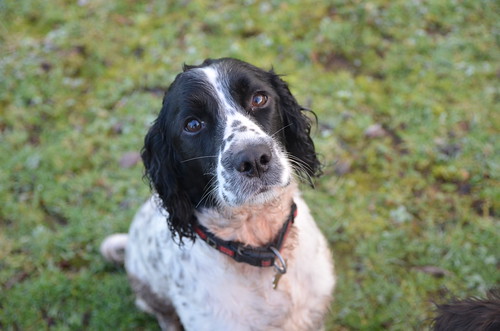
    3) The Sprocker. Oooh, get me – advocating ‘designer dogs’. Whatever. I’ve worked with a number of Sprockers, deliberately bred, and found them to be wonderful dogs who do, as it happens, bring something different to the table than the Springer and the Cocker. Don’t get me wrong, no person alive will ever convince me that the Springer is not the most complete, working dog ever created (so don’t even try, I’m not for turning!) but I have such a massive soft spot for Cockers it’s untrue. So here, the best of both worlds in one bundle. Let’s not get precious about it, the Cocker originated from the Springer but it has undoubtedly got its own identity now. The Sprocker is a beautiful throwback which, in my experience, doesn’t quite have the intensity of the Springer but retains the air of unique character that makes the Cocker so attractive. I’ve probably trained about 10, I loved them all.

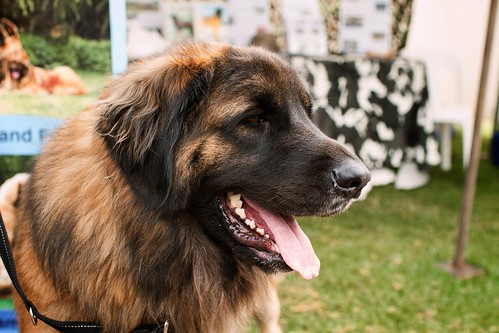
    2) Leonberger. Have you ever seen a Leonberger puppy? If you haven’t, you NEED TO – they are crazy cute. Yes, yes I know, ALL puppies are cute, but these are on another level. So, am I sat here truly extolling the virtues of a dog breed based on the passing cuteness of its young? No. And it’s fair to say a dog of this size is certainly not for everyone – but I have a theory, if you DO have room and lifestyle for a dog of this size, just what exactly are you doing NOT having a Leonberger in your home? Huh? I mean, that’s like having room for a helicopter landing pad in your back garden but instead choosing to have a fish pond. Come on, priorities people. If you can have a Leonberger, you should! I’d happily pay an admission fee to my local park just to get some face time with the Leonberger who can occasionally be seen there.

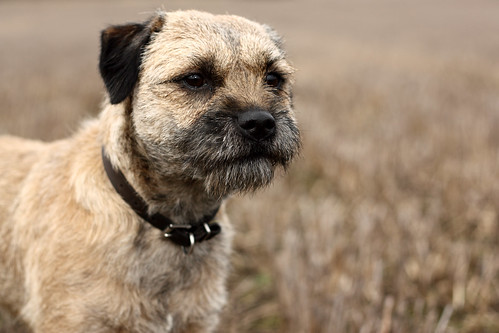
    1) Border Terrier. In a previous edition of K9 Magazine we did a big survey of vets, owners and pet insurers in an attempt to find the healthiest, hardiest pedigree dog. Who came out on top? The brilliant Border Terrier did. Does it help you to know that they are also absolutely, undeniably AWESOME too? Well, they are. Healthy, funny, full of character, you really couldn’t ask for much more in a dog.

    There. As promised. No science, complete self indulgence and probably little in the way of anything remotely useful to you. My apologies.

    Photo by Sam Cockman

  • Puppy Farm Arseholes Need to Hear This

    Puppy Farm Arseholes Need to Hear This

    This may be the first time I’ve used fruity language here on the K9 Magazine blog, so please accept my apologies in advance.

    Actually, no. Don’t. I changed my mind. I make no apologies for calling those who support the suffering of puppy farmed dogs exactly what they are.

    How do we stop puppy farming in the UK?

    An interesting topic for discussion. I fear we (I’m talking about we as in us, the media) have possibly skirted the heart of the issue on this one. I also fear we’ve been too kind and too soft on the main underlying cause of puppy farms in the UK. So, let’s try and get it out in the open shall we….

    …the reason we still have puppy farms in the UK is because there are still significant numbers of would-be puppy buyers who plain don’t care where they get their dog from or what route that dog has taken to make its way to their home. They, quite simply, want a dog and they want it now.

    Let’s think about it for a second; if people didn’t purchase from puppy farms and from pet shops, there’d be none.

    So why do people do it?

    Some of them are misguided, misinformed. OK, I accept that. But even so, in 2012 with ALL of the wealth of information that exists about how to obtain a dog responsibly, is it REALLY a valid excuse any more? I mean, really?

    And for everyone who accidentally, unintentionally winds up putting money in to the pocket of puppy farmers, there’s certainly more folk who do it and who couldn’t really care less either way.

    Whilst it is an ongoing disgrace that puppy farms are allowed to thrive and prosper in a country where laws, legislation and enforcement of such establishments have never really been properly crafted to a point where they have been forced out of business, whilst the demand exists – the puppy farmer will thrive.

    If puppy farming is to be defeated, the first point of action needs to be in changing the attitude and behaviour of purchasers.

    Look at this way; if there was ZERO demand for cocaine, would the governments of the world even need to make laws and spend BILLIONS on trying to combat traffickers around the globe? Of course not! No demand means the supplier is automatically redundant. And let’s establish one thing, for the record, puppies are NOTHING like cocaine. So our failure to combat puppy farmers is interlinked, exclusively, with our failure to convince enough people of the right and wrong ways to acquire a dog.

    How can we change this? How do we push for a culture change?

    It’s going to be hard and I feel it’s going to take something big. But I am 100% convinced that even if we were to bring in laws that would legislate against puppy farms, if there is still a 10 or 20% demand from the same sort of people who acquiring their dogs from puppy farmers today, the laws themselves won’t be enough.

    Which is the low hanging fruit with this issue? Do we push hard for tougher laws first and then hope for the best in terms of people abiding by them? Or do we go for a major push on trying to affect a change in the way people think about acquiring dogs, in particular puppies?

    I am, increasingly, more inclined toward the latter.

    I thought of some slogans. But please bear in mind these are slogans straight from the gut. I have little time for anyone who contributes to the suffering of puppies and I do feel that sometimes too much sympathy is extended to folks who purchased from puppy farms only to ‘realise their error too late’. Maybe the kid gloves need to come off?

    1) Thinking of getting a puppy? Don’t buy from a puppy farmer, dunce!

    It’s unsubtle, straight to the point and uses one of the most effective forms of peer-based persuasion; ridicule.

    2) Thinking of getting a puppy? First make sure your supplier isn’t a total scumbag!

    Now, you see, I’m getting straight to the point with these slogans. A distinct theme is emerging.

    3) Thinking of getting a puppy? Only a turd-for-brains would buy from a puppy farmer! Are YOU that person?

    It’s insulting, yes. I stand by it.

    4) Would you wear a fur coat made from Labrador puppies? Then don’t fund sick puppy farmers, silly!

    It’s not quite so insulting.

    5) Only an arsehole supports puppy farmers! You’re not an arsehole, are you?

    Again, to the point. Sums up my feelings.

    6) If you purchase from a puppy farmer, your knees will fall off – Ouch!

    OK, bear with me. I’m thinking, some of the puppy farmer’s key customers come from the demographic that marketers describe as ‘incredibly stupid, oafish morons’ – so I’m working on the assumption that they might actually believe this. Maybe even link it to some sort of ‘scientific study’.

    Bottom line here, we have GOT to make a change. Somehow, some way we need to influence buyers. There was a programme on BBC last week which set out to ‘uncover’ puppy farmers, in one scene people were turning up to buy puppies even whilst there was a camera crew ‘exposing’ the place as a puppy farm. What does it take to get people to understand?

    The media who carry adverts for puppy farmers, they are guilty as sin. Some big names out there profiting from the misery of dogs. I think it’s about time they were named and shamed. I’m more than happy to take up that mantle. Why should a company be allowed to make even £100 from the abject suffering of a single dog? Let’s get this in perspective, if the demand end of this relationship is stemmed, the supply end automatically dies – those who are involved in the perpetuation of the demand end, they should be held to account.

    What do we need to do? How can we start to affect a real, genuine, long term change in culture and attitude?

    It absolutely CAN be done, make no mistake. There is enough evidence to prove that culture change and buying habits CAN be influenced dramatically – and in many cases, it only requires one, very loud, very direct message to hit home with the ‘right’ audience.

    It’s no good me ranting about this to you, you’re reading this blog – I already know you’re not, therefore, stupid enough to purchase from a puppy farmer. So without wanting to preach to the choir, want I do want to do is try and discover how best to deliver the message.

    (Oh, and for the record – my personal pick would be:

    5) Only an arsehole supports puppy farmers! You’re not an arsehole, are you? – I’d be prepared to make this in to a full page poster and national advertising campaign. And no, I’m not kidding).

    So, am I wrong?

  • Stem Cell Treatment for Degenerative Myelopathy (Before & After)

    Stem Cell Treatment for Degenerative Myelopathy (Before & After)

    In 2014 our beloved Labrador, Chloe, passed away.

    In the last months of her life she struggled through with a genuinely horrible, heartbreaking condition called Degenerative Myelopathy.

    Click Here to read more about Canine Degenerative Myelopathy

    This disease essentially causes a breakdown between the brain and the body resulting in a loss of function normally in the dog’s hind quarters. As a result, the dog will appear to be dragging their back end and whilst the dog may not be in any extreme physical discomfort, the loss of mobility and subsequent impact of having to compensate for lack of back end mobility means the dog, in simple terms, struggles to move in anything like a free and fluid manner. It’s horrendous to observe in any dog but particularly in one who has previously enjoyed a very active life and who’s brain and senses are still in top shape.

    Chloe was 15, so by no means was she a young dog and she certainly had 14 and a bit years of great health and a fantastic life doing all the things Labradors love to do.

    In the process of investigating her condition I stumbled upon this.

    A dog, younger than Chloe, showing the results of stem cell therapy.

    Chloe was too old for this treatment to provide a realistic long term solution – even though, in our desperation we explored the possibilities. On balance, 15 years old is a good run, not that this provides much comfort when you see your dog quickly taken down by such a horrible, debilitating condition while their brain and other functions remain sharp. When we made the heartbreaking decision to let her go it was this disease that was the cause. Her lack of mobility reached an extent where the balance of positive, enjoyable elements of her day were eventually out-weighed by her struggles. She had a healthy appetite and her mind was sound. It is emotionally devastating to say goodbye to a dog in such circumstances and this is the first time I’ve even written a single word about her passing.

    I didn’t want this to be an emotional post about the loss of Chloe – my wife has covered that very well. I do want people should know that stem cell therapy is a treatment that is now more widely used, particularly in the USA according to our research, and one that is clearly providing dramatic results in some cases.

    Have a look at the video below. It shows GSD called Riley before and after stem cell therapy for the treatment of Degenerative Myelopathy.

    When I first watched the video I was in a pretty delicate state, having just learned of Chloe’s condition and wanting to do ANYTHING we could to help her. It made me smile and, I’ll admit, cry. Please watch it and see for yourself. It’s truly inspiring.

    Stem Cell Therapy Treatment for Dogs: Resources

    • StemCellVet (Stemcellvet UK is a team of Veterinary Surgeons and nurses dedicated to improving the lives of cats and dogs in the UK)
    • Cell Therapy Sciences (Cell Therapy Sciences is a UK-based regenerative medicine company producing innovative stem cell therapies for companion animal and equine use)
    • Tuta Vet (Tuta Vet is a division of MediVet, an animal health company, headquartered in Sydney, Australia, with a global reach that spans the entire world.
    • Animal Health Trust Stem Cell Research

  • A Public Admission About Naughty Dogs

    A Public Admission About Naughty Dogs

    I’ve often wondered what it must be like to be married to a professional chef. I’ve decided, with no empirical or even anecdotal evidence to support the assumption, that professional chefs fall in to one of two categories when it comes to cooking at home:

    1.That’s what I do at work. Don’t want to see or smell any cooking utensils, let’s have Cornflakes for dinner.
    2. I have some exciting new ideas I’d like to try out. Here, sample my amazing, restaurant quality cuisine.

    The reason I’ve often had these thoughts is because, as someone who used to train dogs for a living, it goes without saying that the standard of my own dog’s public and private behaviour will always be subject to close scrutiny by friends, family and acquaintances, says Ryan O’Meara.

    Here’s the big admission.

    I’ve got a hell of a soft spot for unruly dogs. Proper naughty ones.

    I’m chef number one.

    I used to get a secret kick if one of my own dogs did something genuinely rebellious and disobedient. If I’d say “stay”, turn round and see my dog had not only not done as asked, but had proceeded to try and steal a plate of biscuits from the other side of the room.

    There, it’s in the open.

    After spending a day gaining behavioural compliance from a steady stream of great dogs, I’d ‘relax’ by watching my own dog test the limits.

    Why would I make such an admission?

    Well, we’ve recently welcomed a new puppy in to our home along with an adult rescue dog, joining 9 year old Mia who’s been firmly entrenched in her position as ‘the puppy’ for, oh, I’d say, the last 9 years.

    The thing is, with proper puppies. You know, the eight week old sort, you do have to set up boundaries, rules and encourage desirable behaviour. Relentless aren’t they, pups? They keep going for hours and hours. It’s easy to forget just how much of a challenge a new puppy can be.

    Now, I’m a person who’s seen many puppies in my life. I have no qualms in admitting that little puppies don’t quite melt my heart in the same way as they often do for other folks. In fact, given how I used to have to earn a living training a dog, an eight week old puppy is to a dog trainer what preparing the ingredients is to a chef with the notable exception that most professional chefs aren’t actually going to sample their own hard work, someone else is paying for that privilege.

    With a puppy you know full well that the early lessons they learn are important. Vital, in fact, because the experiences they have will often shape them as adults. Their exposure to certain situations needs to be carefully stage managed. In fact, you spend your day making sure you follow certain rules. Don’t use their name in a negative way. Don’t over-use their name and make them bored of hearing it. Don’t let them chew through the household electrical cables. Don’t let them constantly harass the dog(s) who already live with you.

    It’s tiring, challenging and along with the undoubted fun and frolics that come with the little bundles of fluffy joy, there’s definitely stress. Stress that is absolutely no different to an experienced owner used to training dogs to a high standard to a novice owner worried that they might be committing some dreadful mistakes that will result in their playful, nippy puppy turning in to a bitey, dangerous adult.

    All this serves to remind us that taking on a puppy is a real challenge. A commitment that starts out hard and often gets harder with all the bumps in the road.

    This is why, in 2015, I’m going to – repeatedly – ask the following question:

    If we have a completely unregulated, over supply of new puppies year after year, is it any real wonder our shelters are full to bursting point and generally perceived standards of responsible dog ownerships are declining?

    I feel very lucky that, through experience and being prepared to research, my wife and I both have the ability to discern a good breeder from a not so good one. Our last two puppies have been from the same breeder. A not uncommon scenario – after all, if you liked one dog, you’re likely to go back again when the time comes.

    The problem we have in the UK is that, in my view, irresponsible, over supply is not only tolerated, it’s downright encouraged. Encouraged because it’s so easy. Breed puppies, stick ’em on the Internet, wait for the sales to come in. Sound far fetched? Well it’s not. This is happening every day all over the UK.

    If we want to do something, as a society, to improve dog ownership standards, to take a bite out of the shameful welfare crisis we find ourselves in then we need to start at the beginning of the chain. We need proper regulation when it comes to the production and supply of dogs. If we carry on as we are, things will get even worse.

    You’ll be hearing more from me on this subject.

    In the meantime, here’s my new puppy, Christopher, followed by a video that you might relate to (I know I did!).

  • Why It’s Vital We Never Lose Trust In Our Vets

    Why It’s Vital We Never Lose Trust In Our Vets

    Back in 2009 the BBC broadcast the results of a K9 Media inspired vet fees survey. The results highlighted the – sometimes massive – range of fees being charged for ‘standard’ procedures by UK veterinarians. As much as £100 difference in the cost of a standard neutering procedure, in the SAME county.

    I believe the hot topic of disparity between vet fees is not going to go away any time soon. As pet insurers increasingly aim their fire at vets for performing ‘un-needed procedures’ on animals who are financially protected and more and more pet owners exchange information on the huge variance in medicine costs, we have to ask: will the vet fees issue lead to an erosion of trust and if so, what can we do to stop it?

    I have long held a concern that many pet owners may begin to second guess their vet’s recommendations on treatment as cynicism sets in. This would be a disaster. Let me explain why and how I think it could happen.

    veterinarian photo

    I take my dog to the vet for treatment on a lump that has suddenly appeared on her leg.

    My vet gives me some medicine and cream and tells me to come back in two weeks.

    I do. The lump is still there.

    I see a different vet. This vet says they’ll have to operate as the position and feel of the lump gives concern for cancer.

    Now, I obviously agree – without hesitation. I pay for the surgery. I pay for the cost of the biopsy on the removed lump. I pay for the after care. I’m £700 down.

    My dog’s on the mend and it suddenly dawns on me; why was I recommend the cream in the first place if the position and feel ‘needed’ surgery?

    If the above sounds like a far fetched scenario, think again – it happened. Not to me. But it happened.

    Now, let’s take a look at price variance.

    Why should/can one vet charge £4.00 for a specific brand of worming tablet and another charge £5.90 for the EXACT same pill? Same dosage, same brand, same pill. Why?

    Well, I can answer my own question, why;  they can, because they can.

    Vets are a small business. Fact. They are a for profit enterprise. And I am the LAST person on earth to advocate vets become anything other than innovative, entrepreneurial businesses. Where my problem lies is in the fact that there is a groundswell of disquiet amongst a significant number of pet owners, upset, confused at how and why they got charged £300 for a neutering procedure whereas their neighbour got the EXACT same procedure done for £100 less with a vet down the road.

    If we find ourselves becoming cynical or second guessing our vets, we’re in trouble. More to the point, our pets are in trouble. We need absolute complete trust in our vets. And I believe a way to achieve this is by the introduction of a standardised, nationwide veterinary invoice.

    The invoice would NOT standardise charges. It would NOT prevent or restrict vets from charging whatever they see fit for the services and products they offer. What it would do is legally compel ALL vets to declare exactly what their customers are paying for.

    So if a neutering operation was charged at £300, the invoice would list:

    – Cost of labour
    – Cost of anesthetic
    – Cost of dressing
    – Cost of drugs

    I would like to see vet drugs sold at a standard, recommended retail price – so if it’s a medicine that I can only get on prescription, I would like the price to be the same for that drug whether I use a vet in Nottingham or Notting Hill. A margin for the vet can still be built in to the retail price, if a vet wanted to retail the drugs above the national recommended retail price, then it should be declared on the invoice along the lines of (Sold at £0.35 above RRP).

    I don’t mind paying it, but I want to know EXACTLY what I’m paying for. I want to have the power of comparison. I want to be happy that – should I want to – I can shop around for a vet who works at a lower hourly rate or a vet who operates a ‘RRP policy on all pet medicines’.

    I don’t want restrictions, I just want transparency. I want them same level of disclosure from vets that I expect from the garage who services my car, because although I acknowledge the main dealer will charge me 35% more than the garage in my town for parts and labour, I am happy in the knowledge that I can at least do a side by side comparison of both providers and make an informed decision on who to use.

    British vets are some of the best in the world. We should be very, very grateful to have such a depth of skilled professionals to care for our pets. All we want is more clarity. There are vets who fleece owners for every penny. They are, fortunately, the tiny minority (and let’s not overlook that) – well, that’s too bad. But let’s have a national vet invoice that means we can pick apart the precise elements of our bill and choose our vets accordingly.

    Do you agree?

    Photo by ** RCB **

  • World Animal Day 2014 – How YOU Can Help!

    World Animal Day 2014 – How YOU Can Help!

    Start the Countdown – World Animal Day is only hours away – join hands with everyone who cares about animals – the animals are worth it!

    We might speak different languages, walk different paths, come from different places, but the hearts of those who love and care about animals will always beat as one.

    It might be too late to organise a large event, but there are lots of things you can do to help make a difference that will take next to no time to organise.  Whether you choose to skydive 10,000 feet for your furry friends, organise a tea party, or raise awareness about animal welfare issues, every single action will bring us a step closer to achieving our main goal: to improve animal welfare standards worldwide through the support and involvement of individuals, groups and organisations. http://www.worldanimalday.org.uk/?ptype=post_event

    wadlogo

    During the event, take lots of pictures and tell the world how it went by updating the website information with a short report and lots of fabulous images.  Get the local media involved – let them know your plans.

    Or you can celebrate it in your own way and make a World Animal Day pledge.  Why not collect pledges from your friends, family and colleagues, then email us info@worldanimalday.org.uk so we can add the pledges to the website Pledge Board – http://www.worldanimalday.org.uk/pledge-board-2/

    Why not take the World Animal Day challenge http://www.worldanimalday.org.uk/ifeel-invites-connect-animal-world-animal-day/ and don’t forget to share your experience on social media (what you did and what it meant to you) in words, pictures or video with the #worldanimalday

    Find support and inspiration on the World Animal Day websitehttp://www.worldanimalday.org.uk/involved/

    Get in touch with one of our Ambassadors – We now have 85 World Animal Day Ambassadors representing 71 countries around the world, all of whom are working hard to raise awareness and increase participation in this special day –  http://www.worldanimalday.org.uk/ambassadors

    Help make social media BUZZ about this very special day and the amazing activities that are happening around the globe in celebration of the animals.

    World Animal Day is a project that goes beyond the name of an organisation, a country or even an animal welfare topic – it’s a global initiative to end animal cruelty.

    Don’t miss this special opportunity to help make animal welfare issues front page news around the globe – a vital catalyst for change!  Through increased awareness and education we can help create a new culture of respect and sensitivity, to make this world a fairer place for all living creatures.

    Please celebrate the wonderful animals with whom we share this planet by doing something special in honour of World Animal Day, Saturday 4 October 2014.

  • When ‘Cute’ Becomes Cruel

    When ‘Cute’ Becomes Cruel

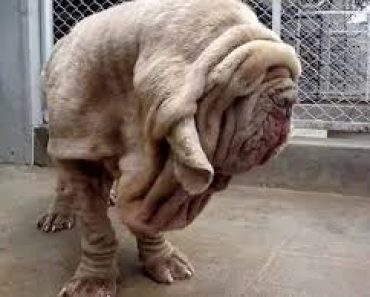
    Wrinkly dogs often elicit a more emotional response from observers.

    Cute. Aren’t they?

    There is a problem with wrinkles. Wrinkles are, in essence, excessive skin. That’s bad. Excessive means exactly what it sounds like it means. Too much. Not needed. Shouldn’t be there.

    Add that to a combination of a dog bred with exaggerated traits and you get, well, something like this…

    What have we done?

    Seriously.

  • Hey, Look – I Created A Totally NEW Designer Dog, Now Give Me Money!

    Hey, Look – I Created A Totally NEW Designer Dog, Now Give Me Money!

    With more and more ‘designer’ or hybrid dogs making the headlines featuring the likes of Puggles, Golden Doodles, Cockerpoos, Pome-Pekes and other elaborately titled canine crosses, it prompted us to wonder, exactly how did we arrive at Afghans, Airedales and Alaskan Malamutes when we started out with the animal known to most as the ‘ultimate dog’ our canine’s cousin, the wolf? What precisely is a dog breed and how on earth does one go about creating one?

    People most commonly use the word breed to describe a type of dog that displays characteristics interrelated to its name. But the concept of breed is far more complex than simply applying a label to a dog which looks a certain way.

    fashion dog photo

    The ancestry of the dog can be traced back as far as sixty million years. A weasel like creature called the Miatis is thought to have demonstrated the first characteristics of the animal now recognised as Canis lupus familiaris, or plain-old pet dog to you and me. It is thought that this creature evolved into the early wolf.

    All the canine sub-species are scavengers by nature, like the jackal and coyote and this was certainly the case for the wolf. It is though the wolf discovered easy pickings in around the waste dumps established near human settlements and as people began to see certain characteristics in the wolf which they thought would be of great help to their development as a race, attempts were made to domesticate the animal and use a selection of his most desirable character traits to man’s advantage.

    Once wolves and humans became comfortable in each other’s presence, the wolf began to readily accept his subdominant role within the partnership and thus domestication as we know it, began in earnest.

    Certain wolves would display particular character traits such as an instinct for guarding and those individuals who also displayed the physical characteristics to make them a force to be reckoned with would be selected for breeding in order to produce strong, confident offspring capable of protection. This is probably the earliest example of selective breeding of the dogs we know and love today.

    As the selective breeding processes became more widely practised by humans, certain characteristics were developed to aid them. Dogs were bred for three main purposes, to hunt, guard and herd. As these functional breeds of dog were becoming more established, cross breeding was taking place in order to refine certain necessary attributes further.

    A large dog which happened to be particularly quick over long distances may be bred with a smaller example in an attempt to develop nimble, high stamina offspring for use when hunting. Overtly aggressive canines would be bred to be as large as possible to produce effective guards for protection of the human settlements. Naturally instinctive hunters would be bred as large or as small the quarry they’d be expected to hunt. Selective breeding was in full swing.

    This early form of selective breeding is how we eventually arrived at so many different breeds of dog. From the Yorkshire Terrier to the Bull Mastiff, selection by humans as well as the occasional happy accident have been the driving force behind the breeds we know and love today.

    As selective breeding continued, the physical and characteristic traits of the original foundation lines were becoming more and more diluted, although every dog, even today possesses many wolf-like characteristics.

    Certain types of dog breed have evolved to perform certain functions for humans. Although nowadays dogs are more commonly kept as pets, some breeds retain the original characteristics for which they were bred – although it can certainly be argued that, in the western world at least, the main function of the dog is adequately described as: to be somebody’s pal.

    The hound group for example consists of two sections. There are sight hounds and scent hounds. Sight hounds are one of the oldest types of dog still endemic today. He is quiet and graceful, he is bred to spot prey from distance, hunt the prey and kill the prey. Hounds which are commonly kept as pets today include Beagles, Greyhounds and Bassett hounds.

    Terriers evolved from the hound group. Terriers take their name from the Latin ‘to go to ground’, which is what they were bred to do. Terriers were originally used for hunting small quarry such as badgers, rats and rabbits. Like the hounds, Terriers should have a strong thirst for work, a thirst that if not properly quenched can occasionally lead to unruly behaviour.

    The toy group is the only group to have breeds which were bred solely for the purpose of companionship. The Shih Tzu was favoured by Chinese emperors in the late nineteenth century as a companion in the palace and it was bred specifically for such purposes as were other toy group members commonly referred to as ‘lap dogs’.

    The concept of what a breed actually is frequently provokes confusion today, even amongst experts. What constitutes a separate breed if two dogs look the same and were bred for the same purpose? Why are Norwich and Norfolk Terriers classed as separate breeds now when before they were the same? Why do small cosmetic differences such as ear position result in a difference in breed, when something such as major size difference does not? How can purebreds resemble cross-breeds and cross-breeds be passed off as purebreds?

    All of these frequently asked questions strengthen the argument that the concept of what a breed is is commonly misinterpreted.

    A dog breed is probably best described as, “a grouping of descendants categorised using criteria relevant to its behavioural and physical qualities, desirable to those who refined the line of genetic descent”. But how does one create a breed?

    The offspring of a mating between two purebred dogs of different breeds is a cross-breed, a mongrel, a mutt, a dog eligible for Scrufts but not Crufts if you will. Technically speaking, the fact that both parents happen to be established, recognised pedigree breeds makes no difference to the status of the offspring.

    Often described as a first-time cross, the world is seeing a huge increase in demand for ‘designer dogs’ such as the Puggle (Beagle cross Pug, the Cockerpoo (Cocker cross Poodle) and many others with equally fanciful names. The newly elected American president expressed particular interest in one of these ‘breeds’ when he added a Labradoodle to his shortlist. Although he ditched that choice and went instead for a Portuguese Water dog.

    So what’s new? What traits does a Cockerpoo posses that a ‘purebred’ Cocker Spaniel or Poodle lacks?

    If you or I were charged with the task of creating a dog breed, the criteria being a small to medium sized dog with a happy personality, willingness to work and learn but with a non-shedding coat suitable for people who don’t have the time to tramp 10 miles per day in order to keep this creature happy, where would we start?

    We’d more than likely look at the Cocker but we’d fall short on the issue of shedding. We’d examine the qualities of the Poodle but we’d find they come in either small or large packages not small to medium and as a worker, they’d be outperformed by many of their gundog counterparts. If only the working qualities of the Cocker could be bundled with the non-shedding coat aspects of the Poodle and everything would be perfe…..wait, I’ve got it. I see a mating in the offing! Wow, how easy is this going to be. If I mate a Poodle and a Cocker I’ll get the best of both worlds – won’t I?

    Erm, no. Not quite as simple as it seems.

    Deliberate cross breeding is, essentially, selective breeding. There’s a problem though.

    It takes several generations to “breed true.” Compare yourself to your brother, sister or even your cousins. Do you all have the same looks, the same personality, the same motivations or intelligence levels? The chances are, you won’t. I, for example, am much clevererer and more handsomer and generally blessed with more modesty than my sibling. He, however, plays guitar far better than I play drums. We’re of the same parents (we assume) but whilst I am blessed with modesty, good looks and breath that smells like rose petals, my brother plays a mean guitar whereas I, no matter how hard I try, sound as acoustically appealing as a man shouting in to a bucket. Oh well, least I have my breath, looks and modesty and self esteem.

    Each of us has some of the “best” traits of our parents. But they’re invariably coupled with the worse traits or, shall we say, less desirable traits. In some cases we may only inherit the less desirable traits of both parents at the expense of any of their best traits, our own children however may be fortunate to pick up the good traits we missed out on. And so it is with dogs.

    Generation after generation of selective breeding is required before we establish a new breed. Is that a bad thing? Absolutely not.

    No one could argue we should ‘stick’ with what we have in terms of pedigree dogs (BUT THEY DO) and it’s a sure fire certainty that gene pools can bottleneck to the point where new blood is required. Sorry, I should clarify that. It’s a sure fire certainty that gene pools HAVE bottlenecked to the point where new blood is required.

    Should that put you off splashing the cash on a Cockerpoo, a Puggle, a Jackador or a Spoodle? Well. Maybe.

    Unless you’re buying into a dog which is several generations down the line in terms of a selective breeding program, you are effectively purchasing a cross breed. Cross breeds come with many, many advantages as pets but should you be charged £600 or upwards for one?

    Well no. Not in this writer’s (less than) humble opinion. You should not.

    Especially when you consider how many fantastic cross and pedigree breeds are desperate for homes in Britain’s animal shelters, all of whom have the same qualities to offer. How the price of a dog is determined is a matter of some controversy and it certainly confuses me. If a ‘pedigree’ Bulldog has a going rate of £1,200 why shouldn’t any other ‘breed’ be priced according to the ‘market rate’? Another breed that, dare I say, might ‘last a bit longer’ and come with less ‘manufacturing faults’.

    And here we see the start of this ethical minefield. ‘Market rate’. We’re talking about sentient, lifelong companions here – not designer handbags.

    The marketing of dogs is a trend set to continue. It’s human nature to aspire to own something a little different, a little fancy or in short supply. It goes without saying, the commercialised marketing of dogs is a recipe for disaster and THIS is where the problem lies.

    Watch this:

    “Oh what’s that unusual dog you have there?”

    “It’s a Pomapekeapatador” (quite obviously a Pomerianian mixed with Pekignese and a little Patterdale and Labrador thrown in)

    “Incredible, I’ve never heard of them. Where would I go about finding one?”

    “The Internet. But be warned, they’re very rare” (and therefore expensive, desirable and I’ve got one and you haven’t)

    See how this works? The Pomapekepatador is what many generations refer to, rather cruelly, as a Heinz 57 (a bit of everything). A cross breed, a mix, a mongrel, a mutt. And they are as important, as clever, as giving and as worthy as any pedigree breed and there’s more than likely a rescue shelter near you chock-full of them.

    Don’t be fooled, ALL dogs are designer dogs. They all have the same ancestors remember!

    And if you’re really keen on modern, trendy and fashionable then you really need to consider ‘ethical’ as a lifestyle choice. So if you’re inclined toward designer, trendy, ethical dogs – you’ll struggle to do better than www.dogsblog.com – no better designer dog than those on offer (in their thousands) at rescue centres all over the UK. Just because they’re not selling for £1,000 a piece doesn’t make them any less dog.

    Photo by thepeachpeddler

  • Want To Know What Your Dog Gets Up To While You’re Out?

    Want To Know What Your Dog Gets Up To While You’re Out?

    Do you want to know what your beloved pet does behind your back? Channel 5 are looking for animals to take part in ‘The Secret Life of Pets’. Whether your dog is stealing your food, your cat is disappearing all day or your hamster is acting strangely we will find out what is really going on.

    The Secret Life of Pets is an entertaining and informative brand new 8 part TV series for Channel 5. The show looks into the extraordinary and bizarre secret lives of our pets. We discover what our pets really get up to behind those puppy dog eyes, what they are hiding in the garden and how they have learnt to open the fridge door! Using the latest and most innovative filming techniques this series shows us what life is like from a pet’s-eye-view.

    To be in with a chance of getting your pet on TV please can you email me some information about your pet along with a photo of you and your pet, your contact number and address. Apply ASAP by emailing rob.myler@itn.co.uk to avoid disappointment!

    dog home photo

    Photo by MarcooJethro®

  • What You Think You Know About Pit Bulls is Probably Wrong

    What You Think You Know About Pit Bulls is Probably Wrong

    There can be little argument that the Pit Bull is the world’s most maligned, misrepresented and misunderstand dog.

    There is a hardcore of so-called Pit Bull haters who will all gladly tell you about their ability to ‘just turn at any moment’ or how their ‘locking jaw’ is ‘not like other dogs’.

    Pit Bulls, it’s fair to say, get a bad rap.

    One of the more common myths, one that it is often perpetuated by people who should know better, is that Pit Bulls rescued from those involved in illegal dog fighting can ‘never be rehabilitated’. The standard course of action, certainly in the UK, is to euathanise these dogs. They’ve had a life of misery, being forced to fight, then they are ‘rescued’ and routinely killed. Some rescue, eh?


    image: Best Friends

    The dog you see above is known to her new family as Little Red.

    She’s a Pit Bull.

    For five years of her life she was used as a bait dog in the illegal dog fighting activities of US pro footballer Mike Vick.

    If you don’t know what a bait dog is, it’s a dog who’s sole purpose in life is to help train other dogs to attack. It is, very much, what it sounds like it is. Bait.

    Bait dogs often die or at the very least get seriously injured.

    Little Red now lives a serene life, surrounded by 6 acres of doggie heaven on earth where she lives with her new owner, Susan. She’s been given time to adjust to her new life, she is an adored pet who enjoys her treats and, one would assume, the joy of a life that no longer includes being the brunt of attacks by dogs set on her by a bloodthirsty sicko. Rehabilitation is a luxury not afforded to many victims of illegal dog fighting rings. That’s all the more sad when you see how happy Little Red is.

    Once celebrated as a great all-American pet, pit bull type dogs started getting a bad rap in the 1980s, largely due to misinformation, which spawned prejudice. Fast forward to today, and pit bulls are now the most abused, most maligned and most abandoned type of dog in the United States, with approximately 1,000,000 put to sleep in shelters yearly.

    Some Facts & Myths About Pit Bulls

    * Pit bulls are just dogs (a type of dog, not a breed).
    * They do not have locking jaws.
    * They do not bite differently than other large breeds.
    * They are not more aggressive than other breeds (source: American Temperament Test Society).

    Like all dogs, they feel pain, love, fear and joy. The media has played a large role in spreading erroneous information and creating hysteria about pit bulls: National Pit Bull Awareness Day is a chance to for the media to help set the record straight.

    National Pit Bull Awareness Day is the perfect opportunity to tell a positive story about America’s dog Pit bulls are the most abused, most euthanised, most maligned and most misunderstood type of dog in America and across much of the world today.

    The media has been a big part of this problem—sensationalizing negative pit bull stories, spreading myths and inciting hysteria. Now, you can also be part of the solution. October 22, 2011, is National Pit Bull Awareness Day.

    The organisers (and K9 Magazine is happy to join in) are asking you to take this opportunity to focus on the positive attributes of this all-American dog. Here are some story suggestions:

    Facts About Pit Bulls

    1. Pit bulls are therapy dogs, service dogs, search and rescue dogs and, most famously, loving family pets (including pets to many celebrities). Tell the story of one such everyday hero in your community. We’ll be happy to help provide contacts and leads.

    2. Highlight a National Pit Bull Awareness Day event going on in your community.

    3. Take the opportunity to dispel many of the common myths: Pit bulls do not have locking jaws, do night bite differently than other large breeds, do not “suddenly snap,” are not “bred to fight” (the vast majority are bred as pets, like any other dog), and they do feel pain. Like all prejudicial thinking, judging a dog simply by how it looks only leads to negative actions and reactions.

    Understanding that certain myths created about particular breeds can lead to innocent dogs losing their lives is something that, happily, many thousands of people have been able to grasp since the Worldwide web has been able to educate. However, there are still politicians who need to learn. Hopefully National Pit Bull Awareness day will have a positive impact on the minds of those who are happy to see certain dogs lose their lives having never done a single thing wrong.

  • I Cheated When I Was a Dog Trainer, Here’s My Confession

    I Cheated When I Was a Dog Trainer, Here’s My Confession

    I used to train dogs professionally.

    That is, I was paid for providing the service of training dogs. I got money for it. It was my trade. My profession. How I earned my living. How I paid my bills.

    Something has been playing on my mind recently. In fact, it’s been bothering me for years now, so here’s my full and frank confession about some of the things I did.

    I cheated as a dog trainer. Totally. Cheated.

    I would take dogs down to the river. Other people’s dogs. I was supposed to be doing stuff like rigorously teaching them things like how to sit and stay and generally behave themselves. I should have been working on getting the dogs to comply with my every instruction. But, for a LOT of that time I was doing no such thing.

    Here’s what I did.

    I’d go down to the river, all decked out in proper dog training gear. I really looked the part.

    As soon as I was out of sight….OK, here goes. As soon as I was out of sight and got close to the river bank, I’d let the dogs off the lead and I’d lay on my back and (God, this is hard to say)…I’d just, sort of, mess about. I’d do things like throw them a tennis ball. Muck about, engage them in play, I’d be larking, frolicking, capering, the whole gambit of things you get told off for doing at school. I did it all. Oh God, there was so much play. I’d be totally covered in grass, my face would be pretty much covered in mud and dog slobber. Professional? Does THAT sound professional???

    I forgot the principles. Maybe I lost my principles. Maybe I never had any.

    Just look at things I WASN’T doing….

    I forgot to do any alpha rolls on them. Totally forgot. Never did a single one.
    I forgot to keep correcting them when they were messing about.
    I forgot to tell them off when they did something silly.
    I forgot everything I’d seen on TV.

    I know what you must be thinking, I’m more beast than man. I know. I know.

    I was just down there, by the river, doing the whole Huckleberry Finn routine. Dossing about with these dogs. Dogs who I was being PAID to train and turn in to good canine citizens.

    My only redemption is that, if I’m reaching for some sort of justification, I was working my ass off at trying to make friends with these dogs. You know, get them to like me. I totally forgot that I was meant to be dominating them, not being all pally pally with them. I was, I repeat, getting paid for this. And yes, it did cross my mind several times when I was laying by that river and just having the absolute time of my life with all these dogs that I had to pull myself in to check and say out loud: “I’m being paid for this.”. Wow. No rolling them over to make them see I WAS BOSS. No domination. None of it. What a joke I was.

    Somehow, goodness knows how, all those dogs did end up trained. They did end up being very well behaved and I never once had an owner who thought their dog wasn’t 100% improved from their time spent with me. I used to think: “Wow, if only you knew. I spent around 10% of my time with your dog, you know, actually teaching them stuff and the other 90% I was just mucking about with them down by the river. Playing and enjoying their company.”.

    Well, here it is. My confession. I look back and I can’t remember how I taught them to do a single damn thing. I can only remember the unbelievably privileged time I had having unadulterated fun with all those dogs, chasing balls, playing hide and seek and chilling out on a hot, Summer day by the side of the river with a dog by my side watching the natural world play out in front of us. How they ended up so well balanced, so obedient, so confident – well, I can only assume I fluked it.

    I’m much more serious now. If ever I have to train anyone’s dog in the future, I promise. I’ll wear a suit and tie. No messin’. Honest.