Author: Jasmine Kleine

  • Do Virtual Dog Training Classes Work? This Dog Trainer Says They Do

    Do Virtual Dog Training Classes Work? This Dog Trainer Says They Do

    Live, virtual dog training classes help dog lovers train their pets with positive reinforcement at home and some people think it might even better than attending a real dog training class.

    Virtual classes were a required pivot during the COVID-19 pandemic and students are succeeding with their dogs at such a great rate that The Mannerly Dog will continue them for the foreseeable future.

    Owner Nancy Kelly, CPDT-KA says,

    “We have taught satisfied dog and cat owners from Canada, four U.S. states, and all over Texas during the pandemic. We provide personal support like a local business, but we’re accessible to pet owners everywhere.”

    It is a myth that beginner dogs and their owners should gather in a crowded, unfamiliar room to socialize while learning obedience skills. In too many cases, dogs stress out over the strange location and unfamiliar people.

    Owners try to follow the teacher’s instructions over the barking while their dogs hide under chairs or jump up on people.

    All this after a car ride, which may have made their new dog feel uncomfortable or require clean-up. An hour class and travel time plus loading into and out of the car can take up an entire evening.

    Many services have gone virtual; dog training has proven to be one that is even more effective in this format. Dogs not ready to travel comfortably in the car, don’t have to.

    Class is at home, where live lessons are taught by an expert. A quiet, controlled environment helps dogs and humans learn. Students choose their home training area. Classes include instructions for practising skills in other locations once the dog learns them.

    As an additional bonus, cats are now enrolled in virtual classes, right along with the dogs – impossible with in-person classes. Cat owners are successfully teaching their cats to walk on leashes and to leave them alone during dinnertime, giving cats mental stimulation that increases their quality of life.

    A student who previously trained in The Mannerly Dog’s in-person class was thrilled with her success in the virtual class. A dog-training colleague said,

    “How can students not excel, with the amazing level of support offered?” The shift to live virtual classes has been pure success for students and their dogs and cats.

    Worth a look: How To Choose A Dog Trainer That’s Right For You & Your Dog (Dog Training Classes vs Private In-Home Dog Trainer)

    What do you think?

    Do you think you’d prefer to learn in the comfort of your own home or would you prefer the socialisation opportunities (for you and your dog) at a real-life dog training class?

  • Best Calming Products For Dogs: Dog Appeasing Pheromones (Adaptil)

    Best Calming Products For Dogs: Dog Appeasing Pheromones (Adaptil)

    Wondering how dog appeasing pheromone work? Heard of brands such as Adaptil and want to know how the product delivers pheromones to your dog and what dogs would benefit from the dog appeasing pheromone?

    We are delighted to bring you a Q&A session on the dog appeasing pheromone, how it works, whether it works, what its success is like on issues such as calming a dog with anxiety, firework phobias in dogs and helping to reduce stress levels in dogs.

    Read our questions and answer session and learn whether your dog could benefit from pheromone treatment.

    As ever, always consult your vet if you have particular concerns about your dog’s health.

    We are very keen to try and offer advice and solutions to those people who are struggling with canine behaviour problems and believe our partnership with Adaptil and their insight into how to make the best use of the dog appeasing pheromone will bring great rewards to many dog owners.

    Whether you are a new owner about to adopt a dog from a rescue or an existing owner who would like advice on how to de-stress your dog’s life, the dog appeasing pheromone can have a wide variety of positive uses.

    Adaptil – Q&A

    Q) What pheromone is in Adaptil and is this safe to humans?

    A) The pheromones in Adaptil are identical in nature to the canine appeasing pheromones secreted by bitches from 3-5 days after the puppy’s birth. As pheromones are species-specific, canine pheromones will have no effect on humans. The actual concentration of pheromone in the air at any one time is tiny.

    Q) Is Adaptil as affective in adult dogs as it is in puppies?

    Research has clearly shown that the reassuring properties of canine appeasing pheromone persist into adulthood.

    Q) Will Adaptil have any effect on other pets?

    A) Pheromones are species specific and no effect on other pets is to be expected.

    Q) Is Adaptil safe to use if a member of the household is pregnant?

    A) Yes, the Adaptil diffuser is safe to use if you are pregnant.

    Q) My dog is destructive within the house, will Adaptil help?

    A) If your vet or behaviourist believes this behaviour is related to fear or stress there is a good chance Adaptil will help especially if used in conjunction with behavioural modification therapy. In trials destructive behaviour was reduced by 85%. NOTE – destructive dogs may focus their destructive behaviour towards electrical items within the home – be sure the diffuser is placed out of the dog’s reach.

    Q) How long should I use Adaptil?

    A) It depends on the nature and the extent of the problem for which you are using Adaptil The table on the previous page will give you some indication but your veterinary surgeon or behaviour counsellor may adapt the duration of use to your dog’s specific case.

    Q) How can Adaptil help rescue dogs?

    A)

    * Helps the re-homed dog adjust to its new home and family
    * Improves the dogs’ adaptability to a new routine
    * Reduces stress related behaviours when encountering novel environment and unfamiliar people
    * Reduces levels of arousal when training, which helps optimise the dog ability to learn
    * Helps dog stay alone at home

    Q) How to use Adaptil with rescue dogs?

    A) In the case of the diffuser:

    * Place the diffuser in the room were the dog will spend most time
    * Active area from 50 to 70 m2
    * 1 vial last 1 month
    * Precaution of use
    * Keep the socket switch on for the whole duration of use

    In the case of the collar:

    * Use one collar per dog
    * Fasten the collar around the dog’s neck and adjust
    * Cut off the excess portion of the collar
    * One collar lasts for up to 4 weeks
    * Duration of use may be adapted according to individual needs
    * Diffuser and collar should be used for as long as the dog needs help to adapt to its new surroundings
    * Some dogs may require behaviour therapy

    Adaptil Diffuser

    Q) Is the Adaptil diffuser device safe?

    A) The Adaptil diffuser device is made in the EC to comply with British Standard BS 60335. The device is widely used across Europe for plug-in air fresheners, mosquito coils, etc.

    Q) Should you use the diffuser if you suffer from asthma?

    A) In addition to the pheromone content, Adaptil contains a paraffin-type mineral oil of a kind common to other air freshener devices. We are not aware of specific problems for asthma sufferers from such devices, however if you consider yourself to be particularly sensitive, or have had problems when using similar devices in the past, then we advise you to use the device only after consulting your GP.

    Q) Do I need to change the diffuser refill even though the liquid has not completely run out?

    A) Some devices will run for a little longer than the 4 weeks due to differences in location, air turnover, etc so you may get slightly more than 4 weeks. But remember that the device will never empty completely as the last few millilitres of liquid are not sufficiently in contact with the wick.

    Q) The level of liquid in the diffuser appears not to be going down?

    A) Slight variations will occur depending on air turnover. Check that the wick is not broken (should extend from the bottom of the liquid to a level flush with the top of the heated ceramic plate). Check the device is turned on all the time. Finally, try the device in a different electrical socket.

    Q) My dog has eaten the diffuser/swallowed the liquid – what should I do?

    The immediate risk is one of electrocution. The ingestion of the oil within the vial might give rise to diarrhoea as paraffin oils are sometimes administered for their laxative properties. Be aware that small parts could cause a choking hazard. If you suspect your dog has eaten part of the device please consult your vet.

    Q) Can the Adaptil diffuser be used in the same room as a plug-in air freshener and/or a Feliway diffuser?

    A) Yes.

    Q) The diffuser smells of burning is it safe?

    A) The Adaptil diffuser device is made in the EC to comply with British Standard BS 60335. The device is widely used across Europe for plug-in air fresheners, mosquito coils, etc. New diffusers may smell slightly when first switched on, just as an electrical heater might when dust has collected on it. Diffusers in a very dusty environment may smell more persistently. Be sure that a dog or cat has not urinated or sprayed onto the device.

    Q) My dog eats electrical devices, where should the diffuser be plugged?

    A) You should ensure that the device is plugged in where the dog will not be able to reach it.

    Q) Why should I not plug the diffuser in under furniture?

    A) Oil vapour (carrying the pheromones) will rise in a column of warm air above the device. If this rising air is blocked (e.g. under a shelf, table, cabinet, etc) the oil may re-condense and leave a visible mark. Circulation of pheromone will be impaired.

    Q) Should I switch the diffuser off at night?

    A) No, the diffuser should be left on continuously day and night.

    Q) Should I renew the original plug-in unit?

    A) Yes – we recommend changing the plug-in unit on a 6 monthly basis to ensure efficient working of the diffuser. Diffusers used for longer than 6 months begin to accumulate dust and debris which can compromise their diffusing capacity and may also give rise to smells and odours.

    Adaptil Collar

    Q) How does Adaptil collar work?

    A) When the Adaptil is in contact with the dog’s skin, the dog’s body temperature warms the collar and encourages the diffusion of pheromones into the local environment. As a result, it is vital the Adaptil collar is in close contact with the dog’s skin at all times.

    Q) How long does it take for the Adaptil collar to exert an effect on my dog?

    A) As soon as the collar is fitted the pheromones will begin to be released and to exert an effect on your dog.

    Q) Can I use the Adaptil collar together with other collars or bandanas?

    A) Whilst other collars will not impair the effectiveness of the Adaptil collar, it is important to ensure that the Adaptil collar remains in close contact with the skin and is not covered by the other collar or bandana. If the Adaptil collar is covered or if the Adaptil collar is not in continuous contact with the dog’s skin, the release of the pheromone may be compromised and the positive influence on your dog reduced.

    Q) How long will the collar be effective?

    A) The collar will be effective for up to 4 weeks. After this time, and according to your veterinary surgeons recommendation, you may need to renew the collar.

    Q) What happens if my dog eats the collar?

    A) Like some other collars, the Adaptil collar is made of plastic and will act as a foreign body in your dog’s digestive system. Please consult your veterinary surgeon if the dog has eaten a portion of the collar. There are, however, no toxic substances in the collar.

    Q) Can I shampoo my dog while wearing the collar?

    A) It is advised to remove the collar before shampooing or giving a bath to your dog. Do not worry if the collar gets wet during a walk. This will not affect the efficiency. However, the collar will not work whilst wet.

    Q) Can I use the collar intermittently when needed?

    A) It is advised to leave the collar around the dog’s neck at all times for one month once opened. Your dog will benefit by constantly being exposed to the pheromones. If you remove the collar, the pheromones will still be released at a lower rate (even when kept at a low temperature i.e. in the refrigerator) and the efficiency of the collar may be affected. There are other forms of Adaptil which are more suitable for intermittent use such as the Adaptil spray.

    Q) Will other dogs in the house be affected by a Adaptil collar worn on one dog?

    A) No, the pheromone is diffused in the immediate vicinity of the dog wearing the Adaptil collar. However, it is recommended that all dogs in the household wear a Adaptil collar, as the dogs without behaviour problems may become too interested in the dog that needs the collar. Alternatively, a Adaptil diffuser may be plugged in household with multiple dogs.

    Q) How long will it take to see an effect on my dog?

    A) It depends on the nature of the problem for which your veterinary surgeon advised the use of a Adaptil collar.

    Adaptil Spray

    Q) Can I use Adaptil spray directly onto my dog?

    A) No, Adaptil should never be applied directly on to a dog.

    Q) How many pumps of Adaptil spray do I need to use?

    A) Spray 8-10 pumps of Adaptil 15 minutes before letting the dog come in contact with the object sprayed.

    Q) How long will the effect of the spray last?

    A) 2-3 hours, after which you will need to re-spray. Please remember, you must leave the object sprayed to dry for 15 minutes before introducing the dog to the area. If you need to re-spray more than once, you may wish to consider using an alternative formulation such as the Adaptil Collar.

    Q) How many pumps in a Adaptil spray bottle?

    A) 400 sprays; you should be able to use the spray 40-50 times.

    OK, so now you know just about everything there is to know about using a dog appeasing pheromone product like Adaptil, so you might be wondering where to buy one?

    Learn More About Adaptil Products ⇢

  • Gemma Atkinson Teams With Hills For Shelter Pets Campaign

    Gemma Atkinson Teams With Hills For Shelter Pets Campaign

    Actress and radio presenter Gemma Atkinson is calling on Brits to show their support for shelter pets, as Hill’s Pet Nutrition launches a nationwide campaign today, to support homeless pets in desperate need due to COVID-19.

    As the pandemic reaches the one-year mark, animal shelters up and down the country are facing unprecedented budget cuts and financial strain.

    With a growing number of pets reportedly being given up or abandoned and fundraising events postponed due to the crisis, rescue shelters are at capacity and struggling to keep the animals they look after fed and cared for.

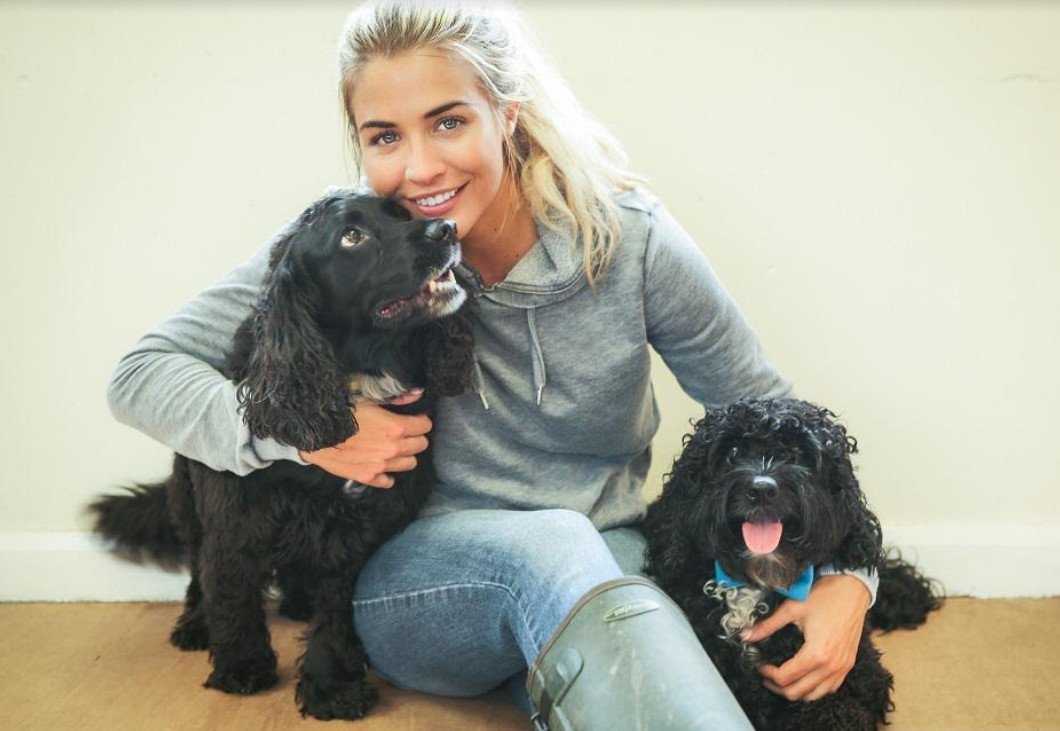
    Gemma, owner of Spaniel and Sproodle Ollie and Norman and President of The Bleakholt Animal Sanctuary, is asking pet parents to share pictures of their furry friends using #MissionForeverFriend across Instagram and Facebook. For every post, Hill’s will donate a bowl of food to a local shelter throughout the month of April, providing up to 14,000 meals in the UK, and up to 100,000 meals across participating countries.

    Gemma says;

    Whilst the country has been in and out of lockdown the past year, shelters across the country have been working tirelessly to help the lives of the many animals in their care.”

    She went on to add:

    “Sadly, just like all businesses and industries, they have suffered hardship due to the pandemic and are in desperate need of support right now.

    My dogs are a huge part of our family and I’m a massive advocate for animal welfare and successfully rescued pets.

    By supporting #MissionForeverFriend, animal lovers can show their support for local shelters and give animals in need the second chance they deserve. Hill’s believes that all pets deserve the best care humanly possible, and that the right nutrition has the ability to not only transform lives physically but make shelter pets adoption-ready while they wait for their forever homes.”

    In addition to posting a picture of their furry friend on social, pet owners can snap a picture of their pet using a virtual bandanna filter as a fun way to show support. The virtual bandana can be accessed on Hill’s UK and Ireland Facebook @hills4pets and Instagram pages @hillspetukireland.

    There are also many other ways for pet lovers to ‘pay it forward’, including donating, volunteering at a local shelter or fostering a pet.

    Affiliated shelters will put a face and name to some of these furry friends by posting photos of shelter pets in need. Hill’s will repost these photos on their own Facebook and Instagram pages so everyone can find their own forever friend.

    Michael Unsworth, Hill’s Vet Affairs Manager, UK & Republic of Ireland said about the campaign

    “#MissionForeverFriend is an extension of our 365 day-a-year commitment to helping shelter pets, but it’s never been more important to help animals in need than right now. Centres are at capacity with many people experiencing ‘buyer’s remorse’ or sadly suffering financial or health woes due to the pandemic.

    The staff and volunteers at these shelters have worked round the clock to feed them and keep a roof over their heads, but there’s only so much they can do with funding and rehoming all on hold.

    This movement will provide much-needed nutrition to thousands of innocent animals up and down the country, and we’re thrilled that Gemma is lending her support to help the cause.”

    Hill’s Pet Nutrition UK and Ireland is proud to be partnering with Raystead Centre for Animal Welfare and Wood Green – The Animal’s Charity. Both charities aim to provide forever homes for shelter pets and offer support and advice for pet owners.

    To learn more about #MissionForeverFriend and find ways you can help shelter pets find their forever homes, visit www.HillsPet.co.uk/shelter

    Photo credit: Image Courtesy of K9 Magazine

    Looking for a dog to adopt?

  • The Highest Earning Dogs On TikTok Will Melt Your Brain

    The Highest Earning Dogs On TikTok Will Melt Your Brain

    The video-sharing app TikTok has become hugely popular in the past couple of years, with millions of people using the app to get their daily fix of the internet’s favourite commodity – cute dog videos. In fact, there have been well over 120 billion views of dog videos on TikTok to date, but it seems some dog breeds are much more popular on this social media site than others.

    These Are The Most Popular Dogs On TikTok And How Much They Are Earning

    • TikTok videos tagged with #dog have been watched over 120 billion times
    • Golden Retriever videos are getting the most views on TikTok, followed by German Shepherds and Chihuahuas
    • Research shows that the most popular dog accounts could be earning over £9,000 per TikTok video

    A new report using TikTok data has been released by credit card comparison site Money.co.uk, revealing which breeds of dog are receiving the most video views on the social channel.

    The top 12 most popular dog breeds on TikTok have all clocked up over 1 billion video views each, but there’s one pup who is the clear leader of the pack.  The Golden Retriever takes the biscuit as the most-watched dog breed on TikTok with 9.2 billion views, that’s nearly 5 billion views more than the second most popular TikTok dog, German Shepherds.  In third place, the Chihuahua takes bronze as TikTok’s most popular dog, beating Pugs, Poodles and Pomeranians.

    The Most Viewed Dog Videos on TikTok According to Breed Hashtags:

    1. Golden Retriever – 9.2 billion views
    2. German shepherd – 4.3 billion views
    3. Chihuahua – 4.1 billion views
    4. Pug – 3.6 billion views
    5. Rottweiler – 3.2 billion views
    6. Pomeranian – 3.1 billlion views
    7. French Bulldog – 2.8 billion views
    8. Labrador – 2.6 billion views
    9. Poodle – 2 billion views
    10. Great Dane – 1.7 billion views
    11. Siberian Husky – 1.4 billion views
    12. Samoyed – 1.2 billion views
    13. Border Collie – 1 billion views
    14. Sprollie – 872 million views
    15. Beagle – 737 million views
    16. Chow Chow – 617 million views
    17. Shih Tzu –  600 million views
    18. Australian Shepherd – 515 million views
    19. Newfoundland – 511 million views
    20. Bernese Mountain Dog – 409 million views

    The fourth most viewed dog breed on TikTok is the Pug. Another canine report by Money.co.uk revealed that as well as being popular on TikTok, people also love to show their love for pugs in a much more permanent fashion, revealing them to be the most tattooed dog breed. (that’s tattoos of dogs on people, not tattoos on dogs!).

    In 6th place is the Pomeranian, which is also the breed of one of the most famous dogs on social media in the world. Jiff Pom, who started his social career on Instagram, is now on TikTok with no less than 20 million followers and over 500 million likes for his videos.

    Husky videos are also wildly popular on TikTok, and one (or rather two) in particular have captured the hearts of Tik Tok users. Kieran and Yasmin, both Alaskan Klee Kai have over 2.5 million followers, and could be earning up to £1,088 per post according to a TikTok earnings calculator.

    @lifewithkleekai

    #heretheycome twinsies 👯‍♀️ did you know Skye and Copper are actually half siblings?

    ♬ deja vu – Olivia Rodrigo

    In fact, with dog videos being so hugely popular on TikTok, there is potential to earn thousands from your pup’s account. The report reveals that dogs with around 200,000 followers can earn between around £70 and – £108 a post, whereas if you achieve more than a million engaged followers, your pup could be bringing in upwards of £725 per post.

    https://www.tiktok.com/@jiffpom/video/6944559537001073925?is_copy_url=1&is_from_webapp=v1

    Dog Influencer Earnings On TikTok:

    Handle Breed Followers Likes (millions) Est Cost Per Post £
    @jiffpom Pomeranian 20,900,000 517.7 9,009
    @tuckerbudzyn Golden Retriever 7,900,000 134.1 3,440
    @whataboutbunny Sheepadoodle 5,900,000 118.6 3540
    @dougthepug Pug 5,800,000 87.5 2,567
    @mayapolarbear Samoyed 4,800,000 62.4 2,091
    @sushisaid Cockapoo 2,800,000 34 1,219
    @lifewithkleekai Alaskan Klee Kai 2,500,000 44.8 1,088
    @cocothemaltesedog Maltese 2,500,000 29 1,088
    @fluffyface_enzo Samoyed 1,400,000 17.2 610
    @minidoodlebentley Doodle 1,100,000 29.4 660
    @gusgusinthecity French Bulldog 1,000,000 13.6 479
    @baloublue French Bulldog 848,800 10.1 369
    @maymothedog Beagle 245,100 3.8 106
    @buddythedappleddachshund Dachshund 231,300 4 101


    For more findings about TikTok’s favourite dog breeds visit: https://www.money.co.uk/credit-cards/dogs-tiktok

  • Does Your Dog Really Love You?

    Is this love?

    No, not the Whitesnake song, but the question that has crept in to the minds of many dog lovers who’ve pondered – does my dog really love me? Like, really, really?

    This video explains all.

  • What Does It Mean When A Dog Greets You With A Toy?

    For some dogs, greeting their returning owner by presenting them with a toy is an almost compulsive behaviour.

    An owner returning to the pack is a big moment for most dogs.

    It carries a lot of emotion.

    Dogs experience extreme happiness, excitement and in some cases, which might seem counter-intuitive; anxiety when their owner returns. Quickly gathering a toy can provide the dog with a multitude of appeasing feelings.

    It can be an expression of joy, it can be because the dog associates toys with fun or it could even be because the dog knows that bringing a toy to their owner results in reward.

    In short: why dogs like to greet owners with a toy
    The reason why a dog greets their owner with a toy is the desire to fetch has been ingrained in many dogs, not just retrieving breeds, for hundreds, if not thousands of years.

    Debbie Jacobs, who wrote the excellent: A Guide to Living with and Training a Fearful Dog, explains fetching behaviour as:

    “(fetching behaviours are) self-reinforcing, meaning they make the dog feel good. They don’t need to be rewarded for the behaviour. If you like playing football, you play football even if you don’t get paid to do it. It just feels good to do it. Same is true for dogs.”

    Humans will often greet each other with words, a handshake, a fist bump, maybe a hug.

    But for many dogs, their most simple method of communicating their sheer joy at an owner’s return is by fetching a toy and presenting their most favourite human with it.

    Being greeted by a happy dog with a toy in their mouth is one of life’s greatest pleasures as a dog owner. What better way to decompress from a stressful day than by being given a warm welcome and a drool covered gift.

  • Should We Muzzle ALL Dogs In Public?

    Should We Muzzle ALL Dogs In Public?

    Over the past few years we’ve heard a number of alternative ‘dangerous dog’ solutions proposed. Ways and means by which we can prevent dog attacks from occurring. Ideas and suggestions which can help us rid ourselves of the menace of dog attacks.

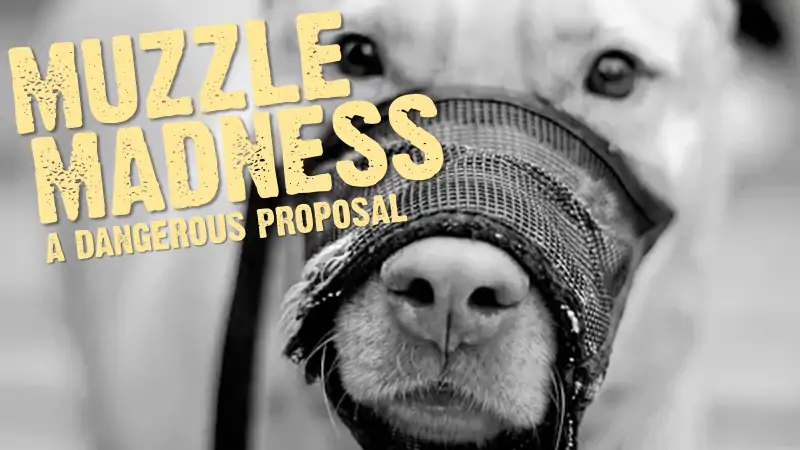
    One of the most common ideas put forward seems, on the face of it, to be entirely sensible: to muzzle all dogs and keep them confined to a lead at all times in public.

    Well, whilst it may seem sensible – unfortunately, it is not. In fact I speculate that:

    if we want to literally DOUBLE the number of dog attacks, especially the most serious ones, the way to do it would be to muzzle and confine all dogs to leads in public. I shall hereby try and explain the flaws in this ideology.

    Dogs operate in and have personalities which can be linked to something known as ‘drives’. Whilst it is not my intent to make this a ‘technical’ dog behaviour article I shall list the recognised drives below:

    Dog drives explained

    * The Prey drive: these dogs stalk, ‘kill’ their toys, shake objects and are highly stimulated by visual movements. They like to chase.
    * The Pack drive: these dogs are sociable animals who enjoy being touched by people, prone to separation anxiety.
    * The Fight drive: self confident or ‘dominant’ dogs who will guard themselves, their property, their family. Tends to hold strong eye contact even with ‘dominant’ people.
    * The Flight drive: unsure in strange situations, always needs to be aware of a potential route of escape, tends to be submissive and is most prone to ‘fear biting’.

    Dogs may show a tendency to ‘be a high prey drive’ dog or dogs may exhibit high drive behaviour in certain circumstances – for example, a dog which may – by normal personality – operate for most of its life in ‘pack drive’, a friendly dog that loves people for instance, upon encountering its first ever squirrel the dog may instantly switch on to a very high prey drive response.

    So it’s not a simple case of being able to label one dog or breed as a particular candidate to fit one of the drive descriptions. Yes, we can generalise (Bull breed dogs tend to score highly on pack drive, they love people, love being touched, enjoy companionship) but these generalisations are what have gotten us in to trouble in the first place!

    We simply cannot and should not attempt to define a dog’s personality by its breed type or EVEN its past history. For instance, a dog which has – for its entire life – never been nervous or aggressive about ANYTHING, when faced with a certain new situation or circumstance may exhibit high levels of ‘unplanned for’ behaviour.

    Are you scared of elephants?

    I often ask people to imagine in their mind how they feel about elephants.

    How do they feel when they see elephants on TV on a nature documentary. Most people have neutral views about elephants. We don’t live our lives in fear of them and they are not an animal that invades our daily thoughts. We have no ‘planned for’ elephant response behaviour.

    I then ask people to try and imagine how they’d feel if they walked into a room – a room they recognise and have used before, let’s say their boardroom at their place of work – and rather than being confronted by their work colleagues, much to their surprise a fully grown elephant is standing in the room.

    Now imagine how you might feel about elephants in THAT circumstance! Heart rate rised, shock, surprise, nervous tension, wonderment, planning for an escape route, sweaty palms – we have no idea how we’d respond to surprising circumstances, especially ones we’ve never planned for – yet we somehow expect our dogs to react consistently to all circumstances based on how they’ve behaved in the past. This is an error.

    But what’s this got to do with muzzling and lead confinement you ask?

    Well it’s all about the need for owners to be able to do two very, very (very) important things:

    1) Allow their dog to exhibit normal behaviour whilst under proper control
    2) Understand the risks associated with ‘unplanned’ behaviour

    Let’s tackle these two issues.

    Allowing a dog to exhibit normal behaviour means allowing a dog to exercise freely. There are some dogs – in fact most dogs – who absolutely thrive on the freedom to run and shake loose the constraints of a leash or the confinement of the four walls of their home and garden. To many dogs, this is their ‘reason to live’.

    This is their most treasured treat. It also keeps them healthy. If we are to constrain dogs and deny them the ability to exercise freely, a number of things will start to happen and start to happen quickly:

    The dogs will start to become very, very wound up at home. Too much energy, no outlet for it. Anyone who has ever had to spend time in a confined space will realise how tedious that becomes.

    A long haul flight – the ultimate “what it’s like to be a dog” simulator

    Think of a long haul flight for an example. Sitting there, waiting for someone else to provide you with ‘release’, waiting for someone else to feed you, relying on others for your stimulation. Now imagine that your entire life was spent on a long haul flight.

    I project you’ll do one of two things: You’ll either go quietly mad and spend your days asleep in a permanent bout of depression or you’ll go VERY mad and start threatening to to do ‘crazy’ things in order to get your freedom back.

    On a long distance flight someone else controls your stimulation, your environment,  even your meals. Every interaction that punctuates the boredom is treasured. This is, quite commonly, the average life of the dog. We control their environment, their food, their physical and mental stimulation.

    To confine dogs to a permanent life on a long haul flight will cause a lot of problems.

    Dogs will begin to attack more people in their homes. No doubt about it.

    A dog who is ‘wound up’ a dog who has more energy than they are ever permitted to expend will be a problem dog. If we estimate that 2, maybe 3% of all the dogs in the UK are responsible for attacks and injuries caused by dogs as things stand today – by having a blanket ‘no dogs off lead in public’ law, you can comfortably project that we’ll have maybe as high as 20% of dogs who will pose a far greater risk to people.

    Yes, we may reduce dog attacks in public but my word, we will massively increase the number of attacks in the home.

    The net result will be more attacks.

    Dogs need off lead exercise and they need the ability to socialise with other dogs.

    Dogs owners should understand that they have an obligation to keep their dogs under control (and do it! Not just understand it) and they should also recognise that dogs can have very, very different reactions to situations which are ‘unplanned for’.

    Again, think about how you’d react if you met a real life elephant face to face in a place where you were not expecting it.

    People should not assume that dogs can’t have equally extreme reactions to new things.

    The following statements are common amongst dog owners:

    “My dog would never bite someone.”

    “My dog is not a nervous dog.”

    Let’s go back to our elephant. We may be tempted to say:

    “No. I’m not scared of elephants.”

    The more accurate claim should be:

    “In general I’m not scared of elephants, but in certain circumstances I could be terrified of them.”

    Same for dogs. A blanket statement about what a dog will or won’t do, is or isn’t scared or reactive to, is dangerous and almost certainly wrong. In very simple terms, every dog is capable of biting someone. Every dog is capable of being scared. Every dog is capable of reacting in an unpredictable way in certain circumstances.

    Muzzling all dogs will lead to more dog attacks

    Similar to the freedom to run argument. If you take away a dog’s defence mechanisms: either the ability to run away or the ability to ‘fight’ you will instantly place the dog into a state of heightened tension.

    I want you to think about that elephant again folks. Let us say that you have met the elephant in the boardroom and you’ve just managed to calm your nerves, your blood pressure is lower and your starting to feel a bit more comfortable. No doubt you’ll still be very aware of the fact that there is an elephant in the room but you’ve just about managed to compose yourself.

    Firstly, you have the door behind you so if things take a turn for the unexpected you can always leg it! Only, now you can’t. Because what’s going to happen now is you are going to be tethered to the radiator and your hands are going to be tied behind your back. How you feeling now? A little less composed? A little vulnerable? Nervous? Tense?

    This is exactly what we do when we impose on our dogs a mandatory constraint. We can – in one fell swoop – make a non aggressive, non defensive dog INSTANTLY more aggressive and more defensive.

    We can increase the risk of altering the dog’s nature and outlook on life. And again, whilst it is certainly the case that we may (in fact probably would) see a reduction in dog attacks in public, the net result of such a law would be a massive, massive increase in the number of dog attacks occurring in the home.

    Why?

    Because we will be artificially increasing the drive senses in our dogs. We can’t muzzle a dog all day, we can’t tether a dog all day so for those periods of time when they are unmuzzled we will see a dog with an altered personality. Heightened defensiveness, heightened nervousness – we would make some non aggressive dogs aggressive and some aggressive dogs even more aggressive. Times where the dog is feeding would be exceptionally dangerous. The net result would be more dog attacks.

    The solution, whilst simple, is not easy. Dog owners need to better informed on how to manage their animals. They need to be better prepared for the reality that their dogs can and will behave differently in different situations, never assume. They must have better control of their dogs.

    If they can not recall their dog then they simply should not have the dog off a lead until such a time as that training objective has been achieved. Dog owners need to be aware of the fact that their dogs should not invade other people’s space.

    In short: Why muzzling all dogs will lead to more dog attacks
    Dog owners need to take control of their dogs and to improve their ownership standards. Simply applying a band-aid as a ‘solution’ and expecting dog attacks to decline is not only short-sighted, it will have the exact reverse effect. If we want to reduce dog attacks we need better educated dog owners. No dog will be unmuzzled 100% of the time.

    —-
    Well, that’s MY view – compulsory muzzling of all dogs would make the problem worse, but what do YOU think?

    Have your say using the comment form below. I look forward to reading your views!

  • How Dog’s Speak – Learn Your Dog’s Language

    How Dog’s Speak – Learn Your Dog’s Language

    Understanding how dog’s speak and communicate helps owners to gain a better view of what their dog is trying to say in their very own canine language.

  • Can Dogs Really Be Jealous? (Let’s Look At The Facts)

    Can Dogs Really Be Jealous? (Let’s Look At The Facts)

    Do dogs ever feel jealous?

    According to some new research by scientists, they do.

    On the face of it, a lot of people would agree. But before you spring forth with your tales of dogs ‘acting jealous’, please – hear me out.

    Personally, I don’t believe they do and I’ll explain more about that in a moment. But first let us look at the new research done in the name of science.

    The experiment consisted of taking pairs of dogs and getting them to present a paw for a reward. On giving this “handshake” the dogs received a piece of food.

    One of the dogs was then asked to shake hands, but received no food. The other dog continued to get the food when it was asked to perform the task.

    The dog without the reward quickly stopped doing the task, and showed signs of annoyance or stress when its partner was rewarded.

    To make sure that the experiment was really showing the interaction between the dogs rather than just the frustration of not being rewarded, a similar experiment was conducted where the dogs performed the task without the partner. Here they continued to present the paw for much longer.

    Dr Frederike Range from the department of neurobiology and cognition research at the University of Vienna, says this shows that it was the presence of the rewarded partner which was the greater influence on their behaviour.

    “The only difference is one gets food and the other doesn’t, they are responding to being unequally rewarded.” she said.

    The researchers say this kind of behaviour, where one animal gets frustrated with what is happening with another, has only been observed in primates before.

    Studies with various types of monkeys and chimpanzees show they react not only to seeing their partners receiving rewards when they are not, but also to the type of reward.

    The dog study also looked at whether the type of reward made a difference. Dogs were given either bread or sausage, but seemed to react equally to either. Dr Range says this may be because they have been trained.

    “It’s through the fact they have to work for the reward, this confers it with a higher value,” she said.

    Source Here

    Let’s take a look at this in smaller chunks.

    The dog without the reward quickly stopped doing the task, and showed signs of annoyance or stress when its partner was rewarded.

    Well of course. Surely we wouldn’t expect anything different here? The dog wants the food and it sees the other dog with the food and it gravitates toward the treat. This is quite logical, nothing ground breaking yet.

    To make sure that the experiment was really showing the interaction between the dogs rather than just the frustration of not being rewarded, a similar experiment was conducted where the dogs performed the task without the partner. Here they continued to present the paw for much longer.

    Yes, again this surely to be expected? Here we have a dog with no distraction, no food or other dog in the equation and it makes logical sense that most dogs will perform differently in a situation where no distraction – of any kind – is present. This, again, does not prove jealousy as we understand it.

    Dr Frederike Range from the department of neurobiology and cognition research at the University of Vienna, says this shows that it was the presence of the rewarded partner which was the greater influence on their behaviour.

    Now we’re veering in to some strange territory. Let us imagine this experiment but with some different parameters.

    We work with just one dog, no other dog in the area.

    The dog gives its paw. Then a person will come in to the room and puts some food on the floor near to where the other dog would have been positioned positioned.

    Would the dog now be less interested in giving paw and more interested in food?

    In my opinion, yes. Most likely.

    Now repeat the same scenario but don’t have anyone put food down.

    It’s my supposition that the dog would hold paw for longer.

    No other dog present, no jealousy – merely distraction causing reaction.

    The dog study also looked at whether the type of reward made a difference. Dogs were given either bread or sausage, but seemed to react equally to either. Dr Range says this may be because they have been trained.

    Dogs like different foods. And scientists didn’t know this?

    Take my own dog Mia. She loathes banana. My other dog, Chloe, on the other hand loves fruit. So if I’m eating a banana Mia will sit for a while, realise what I’ve got and then go and lie down. Chloe will stay sitting next to me, watching until I’ve finished. I’m not a scientist but I do know this – it’s……wait for it………

    ……because Chloe likes banana and Mia doesn’t!

    Given that Mia is by far the greedier of my two dogs it proves that dogs clearly have different tastes the same as we do, this is – I would guess – pretty universal. Maybe your dog loves a type of food that my dogs don’t. Maybe your dogs go mad for aniseed whereas my dogs love cheese. Just a sec, wait. Not a good comparison – aniseed and cheese are pretty much universal ‘must eats’ on the canine menu (if your dog likes neither, please let me know – in the name of science).

    So, if I set out to train Mia with bananas as my choice of reward for her, I’d achieve less impressive results – quite simply because Mia doesn’t like banana. She places a higher value on food that she likes, similarly toys and similarly different ways of being touched – Mia doesn’t like to be stroked on the head, Chloe will take a good head stroking for several hours. So we’ve still not established jealousy in canines with this research based on the report as presented on the BBC site.

    Studies with various types of monkeys and chimpanzees show they react not only to seeing their partners receiving rewards when they are not, but also to the type of reward.

    OK. Well I’m not a scientist but I do know that monkeys and chimps are NOT dogs. They can and indeed probably do have emotions much more closely aligned to the emotion we recognise in ourselves as jealousy, similarly they have different social structures and are NOT dogs. So the relevance of this is no more apt than saying: “Well humans have jealousy, why can’t dogs?”

    Why do I not believe dogs share the emotion we recognise in ourselves as jealousy?

    If we think about what jealousy is, if we are logical about what we know about this emotion it is incredibly complex and based on a whole level of social elements.

    There are humans who feel jealousy based on widely different factors – is that an innate personality trait in them or is it nurtured? – we don’t really know.

    We have humans within the autistic spectrum who simply do not and can not feel jealous and others within that same spectrum who can be wildly jealous. It’s true that even scientists themselves still haven’t universally agreed a definition for what jealously is! That’s how complex this particular emotion is. What does it take to be jealous? It takes two people very, very different reasons to be jealous, even people within the same family who share almost identical genetics. Yet put two people in a room and mimic the ‘paw test’ and we’d never get close to seeing universal results proving jealous responses in people – we’re too different and jealousy is an emotion that does not run through us all in an identical fashion. So why should it in dogs?

    I absolutely do not doubt for a single, solitary second that they display behaviour which is very easy for us to compare with the emotion of jealousy that we recognise in ourselves. It could be displayed in acts of resource guarding, it could be manifested by dogs who are particularly greedy, territorial, pack motivated, rank motivated – but jealousy it is not. It is quite possible that I want to get my bosses’ job and sit in his chair, in his office and take home his salary but I am not motivated even in the slightest by jealousy, I simply want to do better for myself. Dogs the same. So a dog going to another dog getting rewarded is absolutely not proof positive – in my view – that we’ve cracked the canine jealousy code, we haven’t even cracked ours yet – and we can SPEAK!

    Anthropomorphism is rife. Most of the time it’s harmless but sometimes it’s nothing more than us finding another way to say: “I don’t understand my dog but I’ll bracket a particular behaviour by benchmarking it against my own”. This is, plainly, crazy. And it can lead to problems.

    It will be better for dogs and better for us if we make an effort to better understand them. But always, always, always start that voyage of discovery with one overriding caveat: Dogs are no more human than we are Zebra. They are dogs. They ARE unique and we love them for it. They are masters at making us think what they want us to think. Their understanding of human body language is an art we’re not even close to mastering. Take this example:

    Person comes home. Dog has wrecked the post (again). There it is, all laid out scattered over the floor.

    Owner opens the door.

    “Huuuuhhh!!!! What have you done???”

    “Oh, look at him. Look at that face. Look how guilty he looks.”

    (wait for it)

    “He know what he’s done!”

    Sound familiar?

    Of course he doesn’t ‘know what he’s done’ and he absolutely may ‘look guilty’ but that aint’ guilt he’s showing, that’s him spotting body language and going to fear/survival mode. He’s pretty much saying: “If you want me to look guilty, if that’s the pigeon-hole you want to put me in right now, so long as it means I don’t come to any harm, I’ll do a better guilty repertoire than Laurence Olivier if it makes you happy babe!”

    And make us happy it most certainly does. We might feel guilt if we do something that causes someone else to feel bad, but that’s because we have an understanding of how our actions can have a future negative effect on the mood of our human counterparts. Our dog, however, he was just bored and he wanted something to do. Then we come home and we’re – clearly – pretty mad at him. He’s not feeling guilty, he’s feeling plain old scared.

    But it makes us happy to think he thinks like us. To quote the chairman of the Kennel Club: “I don’t need no scientists telling me….” that dogs do not, in fact, think like us. They think, surprisingly, like dogs. That’s what makes em’ great!


    So,that’s quite enough about what I think, what do YOU think?

    Can dogs really experience the emotion us humans refer to as jealousy?

    Add your thoughts using the comment form below. I look forward to reading them!

  • Nottinghamshire Police Take The Lead On Dog Theft, Will Other Forces Follow Suit?

    Nottinghamshire Police Take The Lead On Dog Theft, Will Other Forces Follow Suit?

    Nottinghamshire Police have become the first police force in the country to appoint a dedicated specialist dog theft lead.

    The move comes as a survey launched by Nottinghamshire’s Deputy Police and Crime Commissioner (DPPC) Emma Foody in response to growing cases of dog theft across the country during the pandemic reveals that dog owners are increasingly fearful over their pets’ safety.

    In response, Ms Foody has outlined a three-point plan to tackle dog theft in the county and beyond. It comprises:

    The appointment of a dedicated Chief Inspector as dog theft lead in Nottinghamshire Police with Ms Foody urging voters in other areas to call on their Police and Crime Commissioners to do the same as they decide how to cast their votes in May.

    A renewed focus on safety advice for owners, with new video guidance from Nottinghamshire Police’s Dog Section advising owners how to keep their pet safe.

    A ‘Canine Coalition’ to tackle the issue, with dog welfare organisations working together to tackle the scourge of theft and demand Government action on tougher sentences. Guide Dogs for the Blind have already pledged their support.

    “I’m delighted that Nottinghamshire has become the first force in the country to appoint a dog theft lead. There is growing alarm – both locally and nationally – over the threat of dog theft. This has been fuelled by a number of distressing incidents which have eroded public confidence.

    “I’m incredibly grateful for the support of Guide Dogs for the Blind in helping us highlight how serious this issue is, and I’m keen to work with other organisations to do whatever we can to prevent dog theft in the future and disrupt the lucrative market that has emerged during the national lockdowns.

    “As a dog owner myself, I know just how worrying this issue is, and I’m determined to fight for tougher penalties for those involved in this despicable crime.”

    Tim Stafford, Director of Canine Affairs at Guide Dogs, said:

    “Stealing a dog is not the same as stealing someone’s television, despite the law seeing it this way. The theft of a dog is much more like the loss of a loved family member. What’s more, blind and visually impaired people rely on their guide dogs for their independence and wellbeing. A huge investment of love, time and money over many years has gone into creating each of our incredible guide dog partnerships.

    “This year, for the first time, we have been informed of a couple of incidents when someone has attempted to take a guide dog from its owner. While such incidents are very rare in relation to how many guide dog partnerships our charity supports, we are concerned about how fearful our guide dog owners are of being a potential target at the moment. The law needs to change to stop dog theft from being a low-risk, high-reward crime, and better reflect how people value their dogs.”

    Craig Guildford, Nottinghamshire’s Chief Constable, said:

    “Firstly, it’s important to reassure local residents that we have not seen a significant spike in dog theft in Nottinghamshire. However, we obviously want to keep it that way, and give our dog owners confidence that we are taking the matter seriously. That’s why I felt it was important to have a senior officer to lead on this.

    “Firstly we want to prevent dogs being stolen in the first place, with the heartbreaking stress and trauma this causes the owners, and will be working hard to spread those messages.

    “Secondly I want to send a clear message to those who seek to carry out this cold-hearted crime that it will not be tolerated, it is taken very seriously and we will come after you.”

  • Ear Cropping is Banned in The UK, So Why Are People Doing This?

    Ear Cropping is Banned in The UK, So Why Are People Doing This?

    Ear cropping is illegal in England & Wales under the Animal Welfare Act but, since 2015, the RSPCA has been receiving more reports and tip-offs about dogs having their ears removed. In a bid to stem the illegal activity, the RSPCA is urging the public never to buy a dog with cropped ears as the charity has seen a surge in the number of reports coming into its cruelty hotline about the illegal practice.

    In 2015, the charity had just 14 reports of ear cropping but in just 12 months, 36 reports came through the charity’s cruelty hotline – that’s a 157% increase over just two years.

    [bctt tweet=”It is illegal, under Section 5 of the Animal Welfare Act 2006, to crop a dog’s ears but the charity fears that images shared on social media, especially from the USA and in Europe where the practice is legal or unregulated in many states/countries, celebrity culture and an increase in bull breeds seen in advertising is making the ‘look’ more popular.” username=”RSPCA_official”]

    The charity’s Special Operations Unit (SOU) research and intelligence team saw a significant spike in the number of reports from members of the public in 2017 claiming that dogs are having their ears cropped in the UK illegally, that dogs are being sent abroad to have the procedure done, or that people are buying dogs from other countries in order to get around the laws.

    An SOU officer – who works covertly so cannot be identified for operational reasons – said: “Dogs with cropped ears are coming to our attention for lots of reasons. Many are being advertised on social media while others are being spotted at breed shows.

    “We believe ear cropping is being carried out illegally in this country. And we also believe that many breeders, sellers and buyers are sending dogs abroad to have their ears cropped before bringing them back home.

    “This is going on within certain close-knit breed groups so we believe that many cases are slipping through the net unnoticed and that the issue is actually much bigger than we are aware.”

    RSPCA dog welfare expert Dr Samantha Gaines said: “Ear cropping is a process where ears are removed or surgically altered, usually for the purposes of appearance.

    “It’s a painful and wholly unnecessary process which does not benefit the dog in any way and can, in fact, be detrimental to their health, behaviour and welfare.

    “We do not believe dogs should be mutilated for cosmetic purposes and we’d urge people not to buy a dog with cropped ears as – whether the process was carried out here or overseas – they still will have undergone this very painful process.”

    There is a concerning trend for certain bull breed types to have cropped ears such as American bullies, Cane Corsos, Presa Canarias and Dobermans. Often, dogs are having their ears cropped as puppies, sometimes as young as six-weeks-old.

    The RSPCA has a number of ongoing investigations into ear cropping in England and has also had some successful convictions for illegally cropping dogs’ ears. In November 2015, the charity prosecuted a man and woman from Essex for causing unnecessary suffering to a Doberman by splinting (inserting hard wooden or cardboard splints to force the ears to grow upwards) cropped ears.

    The animal welfare charity – the UK’s largest and oldest, rescuing more than 8,000 dogs every year – is also seeing more dogs with cropped ears coming into its care.

    Eaton

    Neapolitan Mastiff, Eaton is currently being cared for by staff at RSPCA Southridge Animal Centre in Potters Bar, Hertfordshire. He was rescued alongside his sibling – both of whom had had their ears cropped – from Birmingham and their previous owner was prosecuted. He is a big boy who now weighs 50kg! He is still being rehabilitated and assessed by staff at the centre before he begins his search for a suitable home.

    Sammy

    Anatolian shepherd Sammy was rescued from abroad by his previous owners who had to hand him over to the RSPCA when they could no longer care for him. He is now being looked after at RSPCA Halifax, Huddersfield, Bradford & District branch, in West Yorkshire, and is searching for a loving new home. Staff believe the 50kg, 1m-tall pooch lost his ears during his former life in Romania and the suspicion is that his ears were cropped due to his breed. But he’s one of the lucky ones and the painful procedure hasn’t done any lasting damage.

    As well as being an extremely unpleasant procedure for dogs to endure, ear cropping can have long-term implications for dogs’ health and welfare.

    Dr Gaines added: “Dogs with cropped ears can have ongoing and unnecessary health issues associated with the procedure, such as wound infections. Depending on the breed and type of crop, the mobility of the ear can be altered and their behaviour can also be affected.

    “Dogs use many parts of their body to communicate with other dogs and also with people. Their ears are a vital part of this body language so, without them, they can struggle to let other dogs and people know when they’re feeling uncomfortable or anxious. As a result of this, this can lead to problems with aggressive behaviour.”

    The RSPCA is today (Tuesday 17 April) launching a campaign calling on any prospective dog owners not buy dogs with cropped ears – and to educate people on the issues around ear cropping and why welfare experts don’t believe people should support this cruel practice.

    The RSPCA is aware of four different types of crop which are used for different reasons and within different breeds:

    • Battle crop
    • Short crop
    • Show crop
    • Long crop

    Chief inspector Mike Butcher, from the RSPCA’s SOU, said: “We’ve been made aware of lots of different breeds in which cropped ears is preferred to leaving the dogs’ ears as they would be naturally.

    “There’s a cultural shift in what is popular. Social media, celebrity culture and imagery used in advertising is seeing that trend moving towards these bull breed type dogs, many of which have cropped ears.

    “Ear cropping is becoming normalised and that’s something we need to put a stop to.

    “We also think that many people simply aren’t aware that ear cropping is illegal. In some cases, people are misleadingly told that a cropped ear is more natural for the dog. That’s why it’s so important to get the right advice and information out there so owners can make informed decisions before buying a dog.”

  • Fat Dogs Are Not Funny, Says Celebrity Vet

    Fat Dogs Are Not Funny, Says Celebrity Vet

    Videos celebrating overweight dogs have been viewed over 90MILLION times on TikTok, research by VetChef reveals.

    The study by the fresh pet food platform, highlights how widespread the worrying content is across all major social media platforms.

    On Facebook, Instagram and Reddit alone, VetChef has discovered there are ONE MILLION members or followers of groups devoted to overweight dogs.

    Fat breeds getting the wrong sort of attention

    Breeds which feature most in these groups are some of the UK’s most popular including pitbulls, frenchies, pugs, terriers and beagles.
    On TikTok, videos are shared using hashtags including: #chonkydogs, #fatdog, and #chubbypuppy.

    The term “chonky” has come to be used by many social media users to show their approval of overweight dogs. It first came into use in 2016 in a Twitter group called ‘Chonky Animals’.

    VetChef founder and pet nutrition expert Dr Joe Inglis comments:

    “While it is always a delight to see the joy pets bring, it is worrying that the trend of normalising and glorifying pets that are actually clinically overweight is on the rise.

    “The scale of content celebrating overweight dogs on social media is simply breathtaking – with clips hailing so-called ‘chonky’ canines viewed over 90million times on TikTok.

    “The unfortunate reality is that overweight pets are likely to have a lower quality of life, as they are more likely to develop serious health conditions such as diabetes, osteoarthritis and cancer.

    “The breeds that seem to be most commonly featured across social media also already have a number of hereditary health problems, which are likely to only be exacerbated by being overweight.

    Joe adds: “In the UK, obesity is one of the leading, ongoing health issues we face with our pets, with 50% of pets now being classed as overweight.

    “We can all be guilty of ‘fat blindness’ when it comes to our pets, especially over the past year when a lot of us have spent more time at home with our canine companions.

    “But our pets rely solely on us as their owners to keep them as fit, healthy and happy as possible, so it is our responsibility to ensure they are getting the right amount of daily exercise, fed a fresh diet that caters to their individual needs and to recognise when they are actually at an unhealthy weight.

    “At VetChef we are committed to helping pet parents do the very best for their animals by helping to feed them a diet of all-fresh, natural produce through a bespoke recipe plan.

    “These meals are all tailored to each individual animal’s needs, and are even designed to help with weight management, as they include the right amount of calories the pet needs based on their weight and body condition, which can then help them lose weight if necessary. The taste and texture of homemade recipes are also better than processed foods, so will help make a diet regime much more enjoyable for the dog.

    “As part of our mission for healthier, natural diets for our pets, we’re now calling on all pet owners to avoid celebrating their overweight animals – and instead celebrate them looking fit and healthy.”

    On Facebook one of the most popular groups celebrating overweight dogs is named The Galactic Empire Of Chonky Woofers. Only a year old it already has over 16,000 members.

    On Instagram there are over 40,000 posts with the hashtag #chonkyboi.

    #fatdog is the most popular TikTok hashtag with 72million views, followed by #chubbydog (10m) with #fatdogs (4.4m) in third.
    VetChef is the brainchild of veterinary surgeon Joe Inglis who is a familiar face on the nation’s TV screens thanks to his appearances on The One Show and This Morning.

    The free VetChef recipe app plans your dog’s recipes, and Buddy, the new VetChef pet food maker does all the hard work. The site also offers a variety of supplements, including an obesity supplement, K905, which contains L-carnitine that helps promote the conversion of fat into muscle.

    The platform can also help with tackling pet obesity, as it allows owners to feed exactly the right level of calories their dog needs to achieve their ideal weight, as well as helping manage many chronic health conditions such as skin and digestive problems.

    The Biggest Fat Pet TikTok Hashtags

    Rank

    Hashtag Views
    1. #fatdog 71.7million
    2. #chubbydog 10million
    3. #fatdogs 4.4million
    4. #fatpuppy 1.9million
    5. #chubbypuppy 1.4million
    6. #fatdoggo 693,000
    7. #chunkydog 295,000
    8. #chonkydogs 109,000
    9. #chunkydogs 90,000
    10. #fatpupper 67,000
  • This Dog’s Pee Produced £500,000 For Incredibly Lucky Owner

    This Dog’s Pee Produced £500,000 For Incredibly Lucky Owner

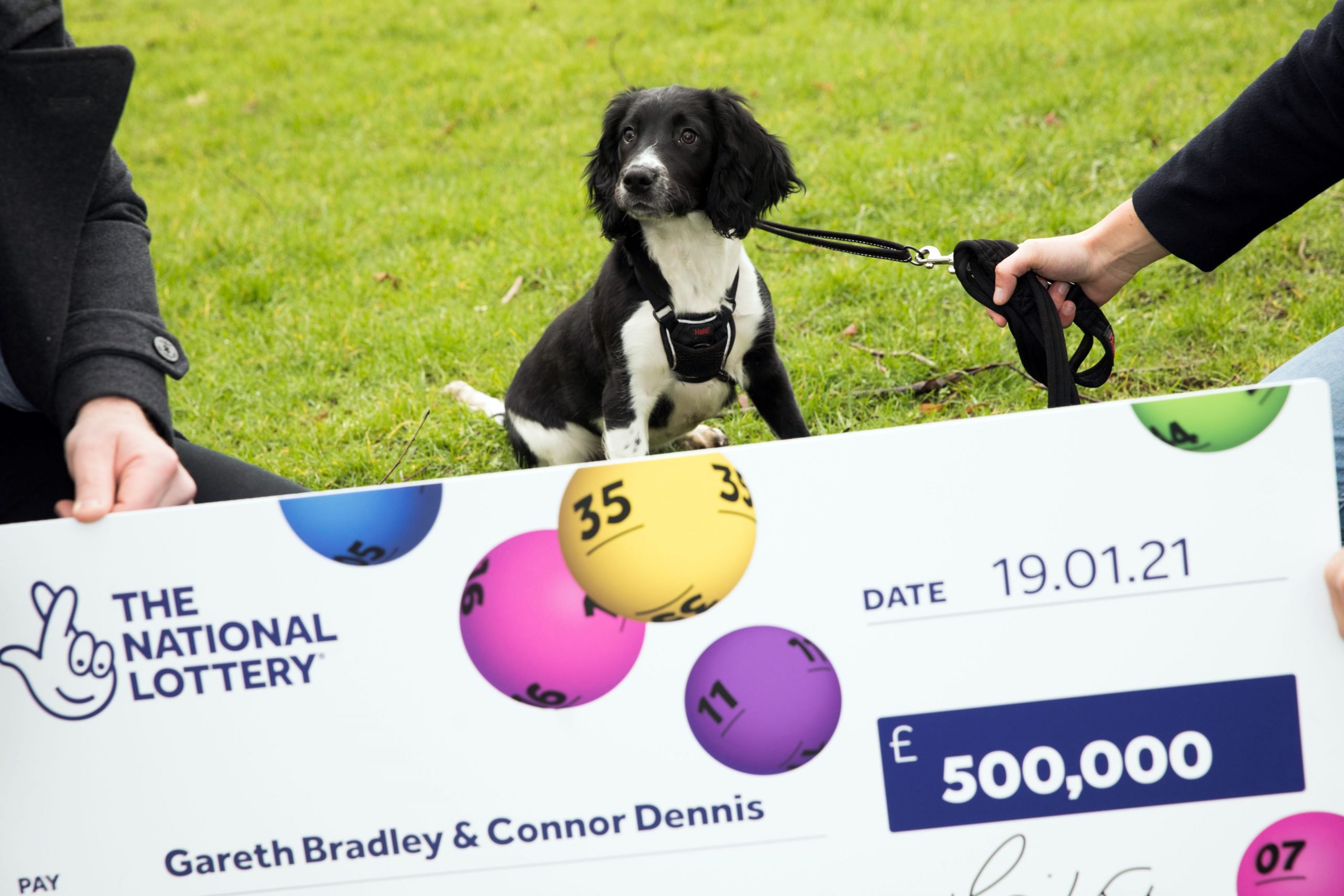
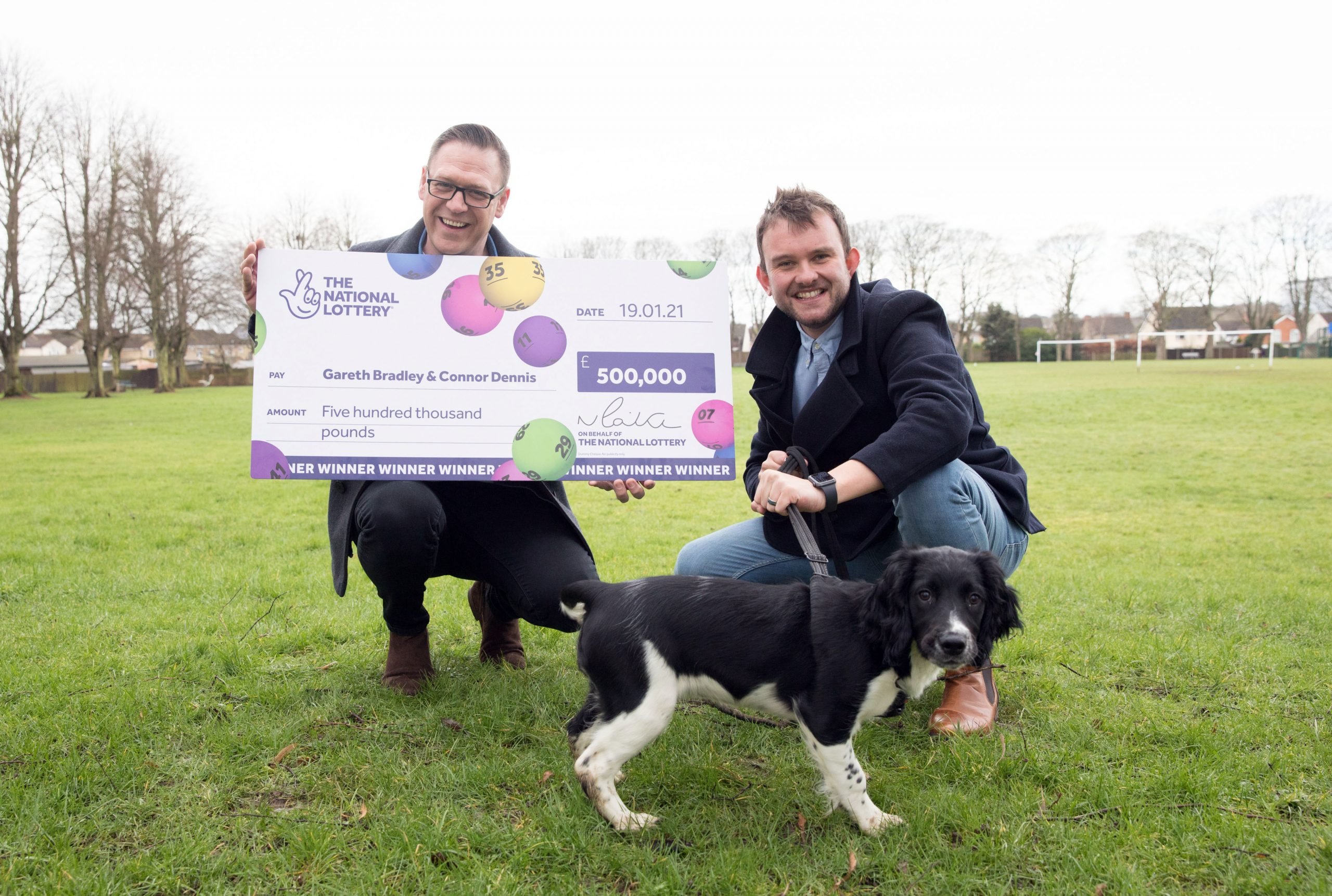
    A lucky man from Milton Keynes is celebrating after he won the £500,000 top prize on an online Instant Win Game from The National Lottery, and all while his 16-week-old puppy spent a penny.

    Gareth Bradley (41), a supermarket store manager, was running a series of job interviews from home when, in a break between calls, he logged on to his online National Lottery account and started to play the online Instant Win Game, Mega Cashword. He said,

    “I’d actually gone onto the National Lottery app to play Lotto but decided as there was a little more in the account than I realised, I’d treat myself and play an online Instant Win Game too. I’d pressed the final letter to be revealed in the game when Ruby, our springer spaniel puppy, made it very clear she needed to spend a penny. In a situation like that you don’t mess about, so I quickly put the phone down and immediately took her outside.

    “Ruby’s penny spent, we came back into the house and as I picked up my phone saw it was flashing £500,000. I just couldn’t work out what had happened, so I logged into my National Lottery account where I saw a balance of £500,000. Turns out, the last letter I pressed was the top prize-winning M!”

    Not knowing whether to scream or cry with joy, Gareth instead rang his partner of eight years, Connor Dennis (28), to share the news. Connor said,

    “Gareth sounded really shaky as he fought back the tears, saying to me ‘you won’t believe what’s happened’. Given the times we are living through I assumed the worst and that something dreadful had happened. I ran out of the open plan office thinking I needed to find somewhere private to commiserate with him, only to discover I needed somewhere private to let out some whoops of delight, but only after he’d sent me a video of the winning message to prove he wasn’t winding me up!”

    Gareth comes from a big and loving family but clearly has a reputation for the odd wind up because his three sisters and brother all asked for video evidence of his win when he rang to share the news. He said,

    “All my siblings thought it was a joke but now they know it’s real, they are over the moon for us, news of this win has given so many people a boost. We are a really close-knit family who love a laugh and a joke, but we’ve had our tough times too. We lost my mum and dad five years ago, mum in the May and dad in June, so of course we are sad they are not here to be part of this moment.”

    For Gareth and Connor, who have been working throughout the pandemic, their £500,000 National Lottery win is the culmination of a busy few months. In September, Gareth, who has twice been a proud ‘donor dad’ for very close friends, celebrated the birth of his second son, this joyful event was closely followed by a new job for Gareth, the purchase of their first home together and finally welcoming Ruby into their lives. Gareth said,

    “It’s been a crazy time all round, but I think winning £500,000 while your puppy spends a penny has to be the craziest of them all!”

    The pair have no plans to give up work, instead they will set aside a lump sum to pay off the mortgage. Connor said,

    “We can’t get our heads around how lucky we have been, we’ve only had to pay the mortgage for three months and now have the funds to never have to pay it again.

    “We know we’ve been lucky and while we do have a few frivolous plans – a Rolex for me and a Range Rover to replace Gareth’s Kia – we are not going to waste this luck. We have lots of plans to really make the money work hard so that it’s there for our families in the longer term.”

  • If You’re Over 55 & Lonely, A Dog Could Help

    If You’re Over 55 & Lonely, A Dog Could Help

    New charity aims to tackle isolation and loneliness in over 55s with help of dogs.

    A NEW charity has launched this month in Croydon with the aim of reducing social isolation and loneliness for the over-55s.

    CareDogs is a newly-registered charity which pairs people aged 55 and over with suitable canine companions.

    The goal is to tackle the growing problem of social isolation within society, while increasing the adoption rate of older dogs from rescue centres and shelters around the capital.

    The South London-based charity was originally founded in late 2018 by Delphine Chui, and has since been developing its offer to communities in and around Croydon.

    This month marks the official launch of their service, and with it an invitation for potential adopters to register their interest via the charity’s website.

    Delphine, who now holds the position of Chair of Trustees, created CareDogs after becoming increasingly aware of the growing problem of loneliness within society, especially among the over 55s.

    Take A Look: The many benefits of adopting an older dog

    According to Age UK, the number of over-50s experiencing loneliness is set to reach two million by 2025; a 49% increase in 10 years.

    Having owned a number of rescue dogs throughout her life, Delphine felt there was a role for them in tackling the issue, something backed up by Blue Cross Charity research, which found that a pet is a great source of comfort, companionship and motivation for their owners, helping us live mentally healthier lives.

    Delphine explains: “I’ve experienced first-hand the many ways a canine companion can improve your mental and emotional wellbeing. It’s our goal to bring those benefits to the people in society who need it most.

    “CareDogs aims to contribute to a healthier and happier society by working to increase the number of older rescue dog adoptions, and by reducing loneliness and social isolation in older people through companionship and an all-important community support network.”

    The volunteer-run charity works in partnership with rescues to facilitate dog adoptions.

    CareDogs are now inviting people to either register themselves or someone they know who they think could benefit from the addition of a rescue dog into their life.

    For more information, please visit the CareDogs website: www.caredogs.org.uk

    Further reading:

    CareDogs Vision & Mission

    Our vision: Communities where no older person or senior dog is overlooked or left behind. Let’s end loneliness and social isolation together – with the help of dogs!

    The main challenges we seek to solve include the fact that by 2025, the number of over-50s experiencing loneliness is set to reach 2 million, as well as half a million older people going 5-6 days without seeing or speaking to anyone at all. Considering that currently only 36% of over-55s are in the dog adopter demographic, we want to encourage more people to socialise more and exercise more, with their provided volunteer and their new canine companion. (Age UK 2014, Beaumont, Age UK 2015)

    Our mission: Solving loneliness and social isolation in older people through dog adoption, a befriending network and local community support by:

    1. Facilitating dog adoption.
    2. Offering weekly interaction and exercise with one of our dog walking volunteers.
    3. Integrating our clients into local community events and a friendly support network.

    In short, we aim to encourage intergenerational connections to tackle social isolation among older people, whilst also creating a new demographic of dog owners.

    The benefits of dog ownership for older people

    • Loneliness and social isolation are issues that many older people experience on a regular basis. According to Age UK, the number of over-50s experiencing loneliness is set to reach two million by 2025, which is a 49% increase in 10 years.
    • 17% of older people are in contact with family/friends/neighbours less than once a week, and 11% less than once a month.
    • A Blue Cross Charity Research: Tackling mental health, poverty and loneliness through pet ownership (2020) found that a pet is a great source of comfort, companionship and motivation for their owners, helping us live mentally healthier lives.
    • According to Age UK, 13% of people aged 55+ only speak to someone 3-4 days a week. CareDogs’ befriending services aim to improve and increase social interactions in the over-55 population in Croydon as a preventative measure to social isolation.
    • CareDogs will be giving over-55s volunteering opportunities within our charity, whether they want to be dog walking volunteers or operational volunteers.
    • According to Ageing Better, people over 50 who volunteer or help out in their community tend to be happier and are able to develop deeper relationships as a result.
  • New Research Reveals Some Bizarre British Dog Owner Habits

    New Research Reveals Some Bizarre British Dog Owner Habits

    Do nearly 1m British dog owners take a shower with their dogs? Did you know that 27% of dog owners admit to letting their pet lick their plate after they’re finished with it? Or that 33% of owners leave the TV or radio on for their dog when they are left alone?

    The findings come from a study carried out by Mira Showers and reveal that British dog owners have some ‘interesting’ habits!

    Top level findings include:

    • Over 1.6 million dog owners kiss their pet on the lips
    • 2.4 million people would take a day off work to look after their poorly dog
    • Almost 5 million dog owners kiss their pet good night
    • A third of those with a furry family member regularly give them a massage (33%)

    From letting them lick their face to even bathing their dog at the same time as they have a bath, the research reveals more habits of dog owners across the nation (including some eyebrow-raising special privileges):

    British dog owner habits

    Habit/Special Treatment % of dog owners who admit to doing this
    Regularly giving them treats 61%
    Letting them on the sofa 57%
    Speaking to them in funny, unusual or high-pitched voices 46%
    Letting them on their bed 44%
    Feeding them human food 42%
    Getting up earlier than they would if they didn’t have a dog to feed them and walk them 38%
    Kissing them goodbye or goodnight 36%
    Letting them lick their hands 35%
    Leaving music, radio or the TV on for them when they’re alone 33%
    Massaging them 33%
    Confiding in them or telling them personal things 29%
    Leaving the heating on for them if it’s cold 28%
    Letting them lick their face 27%
    Letting them lick their plate or cup after they’ve finished with it 27%
    Letting them in their bed 25%
    Taking time off work to look after their dog if they’re poorly 18%
    Kissing them on the lips 12%
    Letting their dog eat at the dinner table with them 6%
    Showering their dog at the same time as they have a shower 6%
    Bathing their dog at the same time as they have a bath 4%

    Women love to spoil their dogs

    It’s the women among dog owners who spoil their dogs the most with all the above, though more men than women said they’d let their dogs eat dinner at the table with them.

    When it comes to the most spoilt breeds, the likes of Cockapoos (and other Poodle crosses), Lurchers and mixed breeds take the lead, over-indexing on 15 of the above special privileges. Close behind are dogs in the Hound Group, meaning breeds such as BeaglesDachshundsGreyhoundsWhippets and Rhodesian Ridgebacks are allowed to eat dinner at the table with their owners, plus get showered or bathed at the same time as their owners more than any other breed group.

    Button - A Sheepadoodle

    Which cities love to treat their dogs the most?

    Owners in Belfast and Nottingham come out on top with treating their dog to these things; both cities pamper their pet with at least five of these special privileges more than any other UK city.

    Dog owners in Leeds let their dog on their bed more than anywhere else (53%), while owners in Plymouth dramatically over-index on showering with their dog at the same time (15%).

    Matt Herbert-Sandell, Digital Communications Manager at Mira Showers, said:

    “Nationwide, our survey found that an estimated 822,000 dog owners shower with their dog; talk about multitasking! A dual shower is a perfect solution for dog owners who need some extra flexibility and multitasking power to help them groom their dogs at home.

    The fixed rainfall shower head gives the owners a fantastic showering experience for themselves, while the handheld shower head is ideal for manoeuvring around a mucky pup!

    Our survey also found that 2 in 5 owners wish they knew more hacks to make showering their dogs at home much easier, so we enlisted experts to help.”

    The best way to groom dogs at home

    Animal charity, Wood Green, and professional grooming experts at Purplebone, offer these at-home grooming tips:

      • The water temperature should be lukewarm. Being able to comfortably run the water over your forearm is a sign the temperature is exactly right.
      • Avoid getting water down the ear canal, as this can lead to infections. Be mindful of their eyes too, as shampoo can sting, just like it does with humans.
      • Always use a shampoo made specifically for dogs and never human shampoo because natural ph. levels are different and can cause skin problems as a result if the wrong product is used. The team at Purplebone said: “A handheld shower is what we always use in our professional grooming parlours, because you can soak all areas of the dog to apply the shampoo first, then use it to thoroughly remove any excess residue of shampoo and conditioner.”
      • There will always be some dogs that love water, and some that just tolerate it. If you can make it as pleasant as you can through praise and treats, it will be a much more relaxed experience. Ness Croft-Taylor, Veterinary Surgery Manager and qualified dog groomer at Wood Green, said: “It’s beneficial to have a handheld shower to regulate the flow, so if your dog is timid you can introduce the water gradually.”

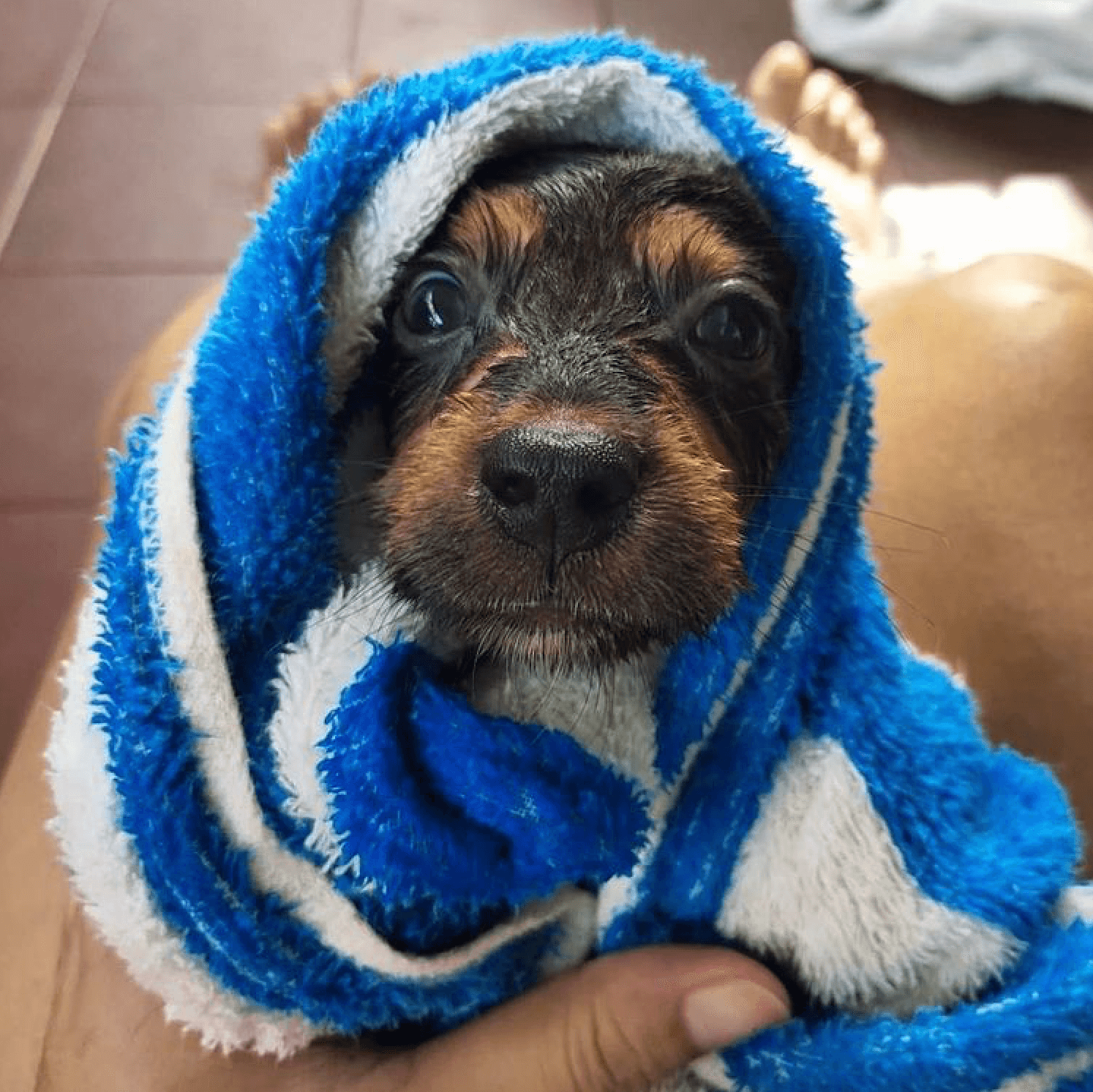
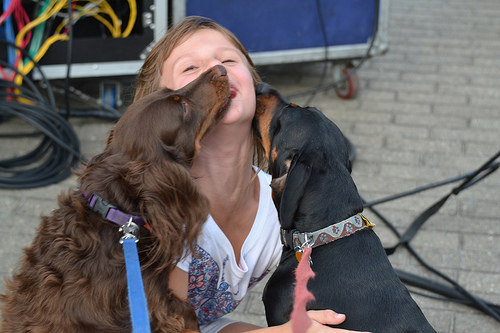
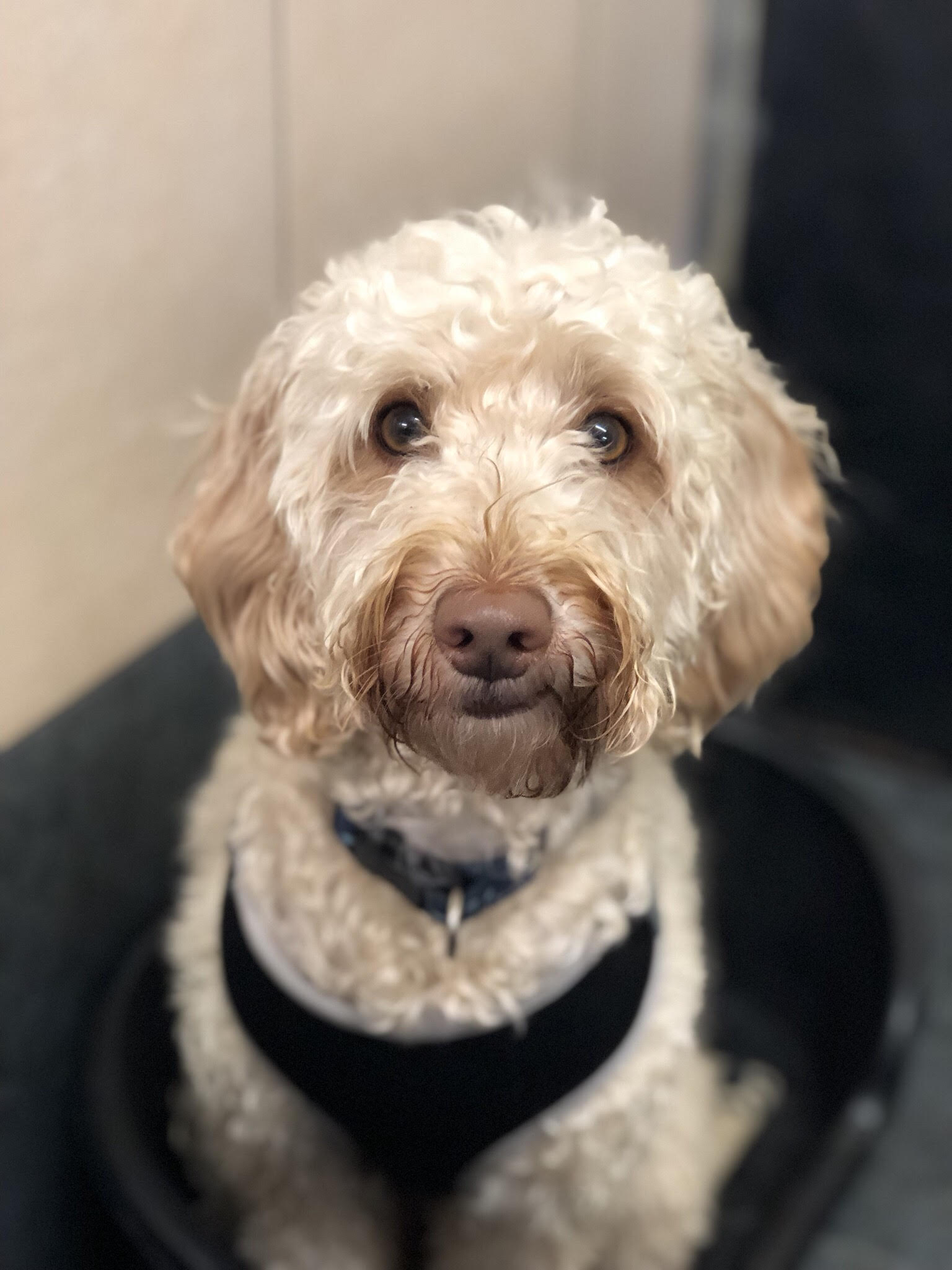
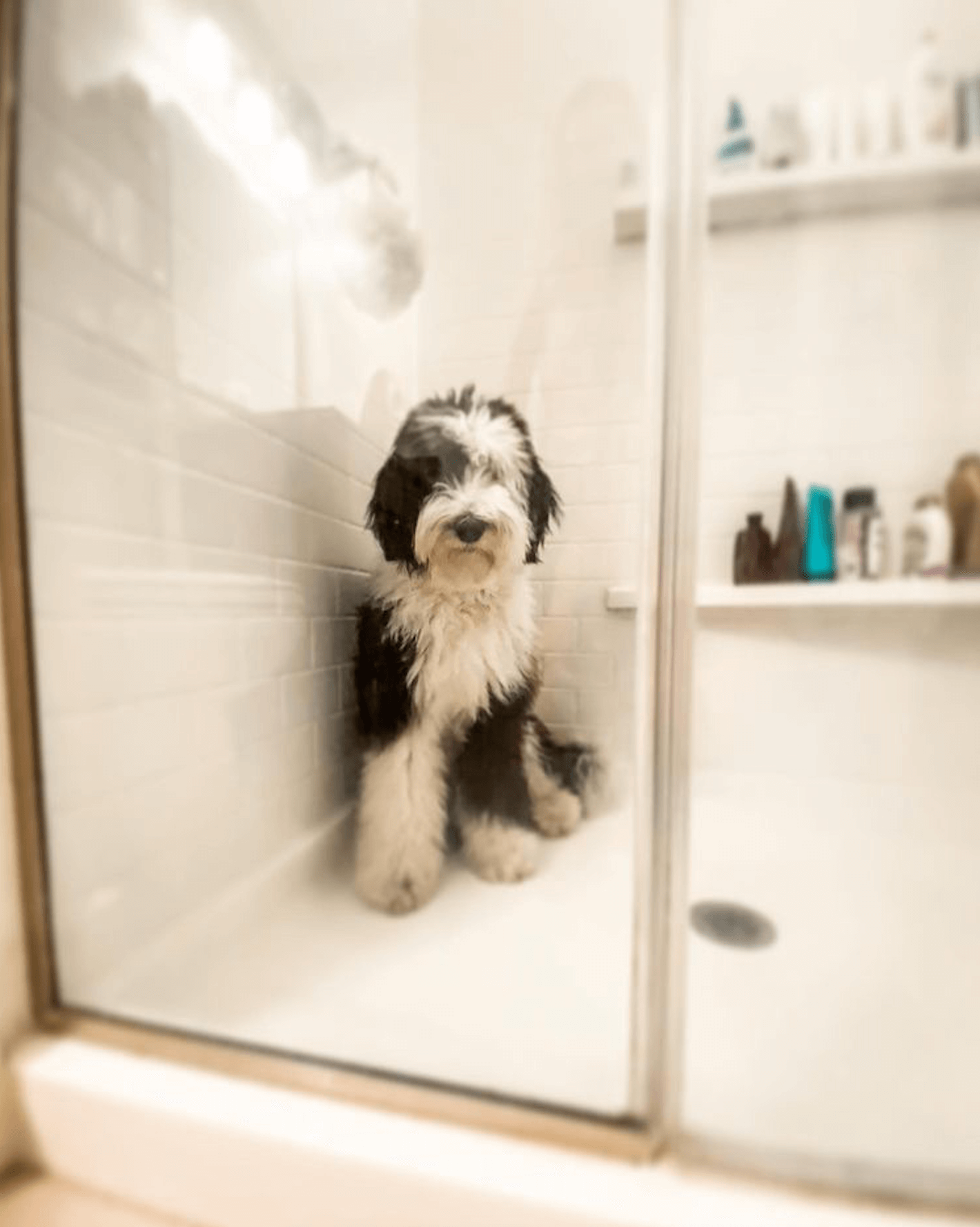
    Mira Showers monitored six Instagram image hashtags relevant to dogs being groomed at home (including #puppybath, #dogbath, #muckypup, #puppybathtime, #dogbathtime and #doginshower) and assigned them to a panel of dog lovers to identify Instagram’s cutest bath-time dogs, some of which are shown above. Permission to publish these photos beyond embedding them has been granted by the Instagram account holders.

      1. Harvey, Shetland Sheepdog, https://www.instagram.com/p/CIMNp7tHN-k/ (Dorset, UK)
      2. Chai, Toy Poodle, https://www.instagram.com/p/CIJtTFZJtxo/  (London, UK)
      3. Mabel, Cavapoo, https://www.instagram.com/p/CHcTvXJpCwz/ (Essex, UK)
      4. Pacho, Italian Greyhound, https://www.instagram.com/p/CH4-d1gBeVQ/ (Manchester, UK)
      5. Winnie, Miniature Goldendoodle, https://www.instagram.com/p/CHqStDtJgFz/ (North Carolina, USA)
      6. Picasso, Dachshund, https://www.instagram.com/p/CIKs6n8HItL/ (Bangkok, Thailand)
      7. Button, Sheepadoodle, https://www.instagram.com/p/B6-2_2mhN5a/ (Michigan, USA)
      8. Maggie, Cocker Spaniel, https://www.instagram.com/p/CCqWDFRFS0p/?igshid=10xt8ndh48mgu (Northampton, UK)
      9. Coconut, King Charles Cavalier Spaniel, https://www.instagram.com/p/CIIYdvqAFbQ/ (Singapore)
      10. Penny, Miniature Goldendoodle, https://www.instagram.com/p/CHVvR8JpiLN/
      11. Mortimer, Scottish Deerhound, https://www.instagram.com/p/CIJnE-nhHxD/ (Milwaukee, Wisconsin)
      12. Tormi, Jack Russell, https://www.instagram.com/p/CHksfK0DYUM/ (Estonia)

    Related: The top dog ownership trends you need to know about this year