Blog

  • Should We Muzzle ALL Dogs In Public?

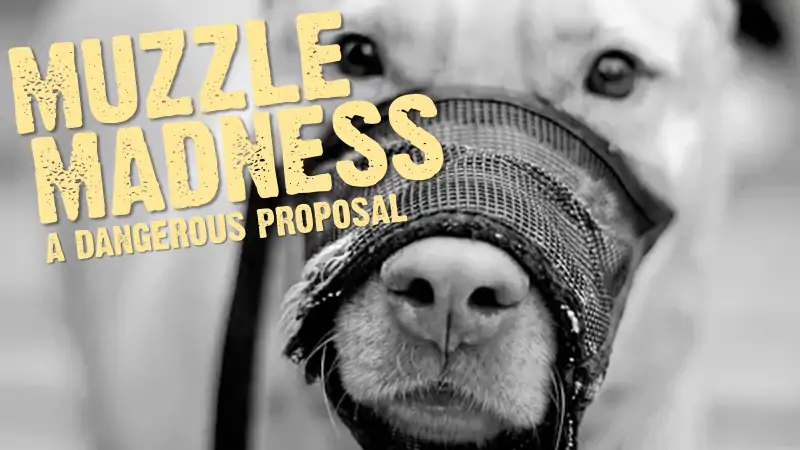
    Should We Muzzle ALL Dogs In Public?

    Over the past few years we’ve heard a number of alternative ‘dangerous dog’ solutions proposed. Ways and means by which we can prevent dog attacks from occurring. Ideas and suggestions which can help us rid ourselves of the menace of dog attacks.

    One of the most common ideas put forward seems, on the face of it, to be entirely sensible: to muzzle all dogs and keep them confined to a lead at all times in public.

    Well, whilst it may seem sensible – unfortunately, it is not. In fact I speculate that:

    if we want to literally DOUBLE the number of dog attacks, especially the most serious ones, the way to do it would be to muzzle and confine all dogs to leads in public. I shall hereby try and explain the flaws in this ideology.

    Dogs operate in and have personalities which can be linked to something known as ‘drives’. Whilst it is not my intent to make this a ‘technical’ dog behaviour article I shall list the recognised drives below:

    Dog drives explained

    * The Prey drive: these dogs stalk, ‘kill’ their toys, shake objects and are highly stimulated by visual movements. They like to chase.
    * The Pack drive: these dogs are sociable animals who enjoy being touched by people, prone to separation anxiety.
    * The Fight drive: self confident or ‘dominant’ dogs who will guard themselves, their property, their family. Tends to hold strong eye contact even with ‘dominant’ people.
    * The Flight drive: unsure in strange situations, always needs to be aware of a potential route of escape, tends to be submissive and is most prone to ‘fear biting’.

    Dogs may show a tendency to ‘be a high prey drive’ dog or dogs may exhibit high drive behaviour in certain circumstances – for example, a dog which may – by normal personality – operate for most of its life in ‘pack drive’, a friendly dog that loves people for instance, upon encountering its first ever squirrel the dog may instantly switch on to a very high prey drive response.

    So it’s not a simple case of being able to label one dog or breed as a particular candidate to fit one of the drive descriptions. Yes, we can generalise (Bull breed dogs tend to score highly on pack drive, they love people, love being touched, enjoy companionship) but these generalisations are what have gotten us in to trouble in the first place!

    We simply cannot and should not attempt to define a dog’s personality by its breed type or EVEN its past history. For instance, a dog which has – for its entire life – never been nervous or aggressive about ANYTHING, when faced with a certain new situation or circumstance may exhibit high levels of ‘unplanned for’ behaviour.

    Are you scared of elephants?

    I often ask people to imagine in their mind how they feel about elephants.

    How do they feel when they see elephants on TV on a nature documentary. Most people have neutral views about elephants. We don’t live our lives in fear of them and they are not an animal that invades our daily thoughts. We have no ‘planned for’ elephant response behaviour.

    I then ask people to try and imagine how they’d feel if they walked into a room – a room they recognise and have used before, let’s say their boardroom at their place of work – and rather than being confronted by their work colleagues, much to their surprise a fully grown elephant is standing in the room.

    Now imagine how you might feel about elephants in THAT circumstance! Heart rate rised, shock, surprise, nervous tension, wonderment, planning for an escape route, sweaty palms – we have no idea how we’d respond to surprising circumstances, especially ones we’ve never planned for – yet we somehow expect our dogs to react consistently to all circumstances based on how they’ve behaved in the past. This is an error.

    But what’s this got to do with muzzling and lead confinement you ask?

    Well it’s all about the need for owners to be able to do two very, very (very) important things:

    1) Allow their dog to exhibit normal behaviour whilst under proper control
    2) Understand the risks associated with ‘unplanned’ behaviour

    Let’s tackle these two issues.

    Allowing a dog to exhibit normal behaviour means allowing a dog to exercise freely. There are some dogs – in fact most dogs – who absolutely thrive on the freedom to run and shake loose the constraints of a leash or the confinement of the four walls of their home and garden. To many dogs, this is their ‘reason to live’.

    This is their most treasured treat. It also keeps them healthy. If we are to constrain dogs and deny them the ability to exercise freely, a number of things will start to happen and start to happen quickly:

    The dogs will start to become very, very wound up at home. Too much energy, no outlet for it. Anyone who has ever had to spend time in a confined space will realise how tedious that becomes.

    A long haul flight – the ultimate “what it’s like to be a dog” simulator

    Think of a long haul flight for an example. Sitting there, waiting for someone else to provide you with ‘release’, waiting for someone else to feed you, relying on others for your stimulation. Now imagine that your entire life was spent on a long haul flight.

    I project you’ll do one of two things: You’ll either go quietly mad and spend your days asleep in a permanent bout of depression or you’ll go VERY mad and start threatening to to do ‘crazy’ things in order to get your freedom back.

    On a long distance flight someone else controls your stimulation, your environment,  even your meals. Every interaction that punctuates the boredom is treasured. This is, quite commonly, the average life of the dog. We control their environment, their food, their physical and mental stimulation.

    To confine dogs to a permanent life on a long haul flight will cause a lot of problems.

    Dogs will begin to attack more people in their homes. No doubt about it.

    A dog who is ‘wound up’ a dog who has more energy than they are ever permitted to expend will be a problem dog. If we estimate that 2, maybe 3% of all the dogs in the UK are responsible for attacks and injuries caused by dogs as things stand today – by having a blanket ‘no dogs off lead in public’ law, you can comfortably project that we’ll have maybe as high as 20% of dogs who will pose a far greater risk to people.

    Yes, we may reduce dog attacks in public but my word, we will massively increase the number of attacks in the home.

    The net result will be more attacks.

    Dogs need off lead exercise and they need the ability to socialise with other dogs.

    Dogs owners should understand that they have an obligation to keep their dogs under control (and do it! Not just understand it) and they should also recognise that dogs can have very, very different reactions to situations which are ‘unplanned for’.

    Again, think about how you’d react if you met a real life elephant face to face in a place where you were not expecting it.

    People should not assume that dogs can’t have equally extreme reactions to new things.

    The following statements are common amongst dog owners:

    “My dog would never bite someone.”

    “My dog is not a nervous dog.”

    Let’s go back to our elephant. We may be tempted to say:

    “No. I’m not scared of elephants.”

    The more accurate claim should be:

    “In general I’m not scared of elephants, but in certain circumstances I could be terrified of them.”

    Same for dogs. A blanket statement about what a dog will or won’t do, is or isn’t scared or reactive to, is dangerous and almost certainly wrong. In very simple terms, every dog is capable of biting someone. Every dog is capable of being scared. Every dog is capable of reacting in an unpredictable way in certain circumstances.

    Muzzling all dogs will lead to more dog attacks

    Similar to the freedom to run argument. If you take away a dog’s defence mechanisms: either the ability to run away or the ability to ‘fight’ you will instantly place the dog into a state of heightened tension.

    I want you to think about that elephant again folks. Let us say that you have met the elephant in the boardroom and you’ve just managed to calm your nerves, your blood pressure is lower and your starting to feel a bit more comfortable. No doubt you’ll still be very aware of the fact that there is an elephant in the room but you’ve just about managed to compose yourself.

    Firstly, you have the door behind you so if things take a turn for the unexpected you can always leg it! Only, now you can’t. Because what’s going to happen now is you are going to be tethered to the radiator and your hands are going to be tied behind your back. How you feeling now? A little less composed? A little vulnerable? Nervous? Tense?

    This is exactly what we do when we impose on our dogs a mandatory constraint. We can – in one fell swoop – make a non aggressive, non defensive dog INSTANTLY more aggressive and more defensive.

    We can increase the risk of altering the dog’s nature and outlook on life. And again, whilst it is certainly the case that we may (in fact probably would) see a reduction in dog attacks in public, the net result of such a law would be a massive, massive increase in the number of dog attacks occurring in the home.

    Why?

    Because we will be artificially increasing the drive senses in our dogs. We can’t muzzle a dog all day, we can’t tether a dog all day so for those periods of time when they are unmuzzled we will see a dog with an altered personality. Heightened defensiveness, heightened nervousness – we would make some non aggressive dogs aggressive and some aggressive dogs even more aggressive. Times where the dog is feeding would be exceptionally dangerous. The net result would be more dog attacks.

    The solution, whilst simple, is not easy. Dog owners need to better informed on how to manage their animals. They need to be better prepared for the reality that their dogs can and will behave differently in different situations, never assume. They must have better control of their dogs.

    If they can not recall their dog then they simply should not have the dog off a lead until such a time as that training objective has been achieved. Dog owners need to be aware of the fact that their dogs should not invade other people’s space.

    In short: Why muzzling all dogs will lead to more dog attacks
    Dog owners need to take control of their dogs and to improve their ownership standards. Simply applying a band-aid as a ‘solution’ and expecting dog attacks to decline is not only short-sighted, it will have the exact reverse effect. If we want to reduce dog attacks we need better educated dog owners. No dog will be unmuzzled 100% of the time.

    —-
    Well, that’s MY view – compulsory muzzling of all dogs would make the problem worse, but what do YOU think?

    Have your say using the comment form below. I look forward to reading your views!

  • 6 Ways to Save Money on Dog Insurance

    6 Ways to Save Money on Dog Insurance

    You can get a pet health insurance plan for all of your dogs which covers a whole variety of different elements of your pet’s well being. The problem is, shopping for pet insurance can be a minefield with all the different levels of cover to consider.

    Just like shopping for insurance premiums for things like car insurance, rental insurance, etc., shopping for dog insurance takes a little research to find the right company.

    Below are a few basic questions that can help you get a better understanding of the type of insurance plan a company can offer for your dog.

    How To Shop For The Right Dog Insurance Policy

    1. Find out if the insurance company covers any pre-existing health conditions. This is very important because should your dog become ill or have an injury that stemmed from a previous condition, and the insurance company does not cover pre-existing health problems, you may be paying the expense out of your pocket.

    2. Be sure to ask if the company is licensed to offer their services in your state. You generally will not have a problem with this issue, but there is the occasional rogue insurance company that covers pets but is not fully legal to do so. In that case, you may come out on the loosing end of an insurance claim.

    3. Ask how many years the company has been in business and how long they have offered insurance plans that cover dogs. A fairly new company may not have the experience or the coverage that an older, more experienced service provider would.

    4. Ask what the insurance policy does NOT include, such as checkups, heartworm tests, dental care, worms, etc. Obviously these items are important so you know what to expect to pay if a particular health condition with your dog springs up.

    5. Find out if the insurance for your dog will cover bone scans, medications, reconstructive surgery, and CAT scans. If your dog gets seriously injured and is suspected of having a major condition as a result from the injury, he may need the above mentioned procedures and tests. These can be quite expensive if the insurance plan does not include them in the service.

    6. And of course, be sure to know what your deductible will be. In addition, ask if there is a cap on any specific type of illness or accidents your dog may possibly be in.

  • Revealed: The 5 Most Dangerous Dogs In The World!

    Revealed: The 5 Most Dangerous Dogs In The World!

    Undoubtedly it’s going to be controversial. Without fear of chicken counting, it will receive a lot of traffic. And without any element of doubt, it might cause ripples but it needs to be out there, for the public to know. We’ve decided to publicly name the five MOST dangerous dogs on the planet.

    The Most Dangerous Dogs in the World

    in reverse order:

    5. Badly fed dog.

    Badly fed dog is the animal who’s been fuelled up with a diet fit for an Olympic weight lifter, but who only ever gets to expend about 20% of the calories he takes in. He’s got lots of energy and his mismatched diet can manifest in bouts of sudden energetic rampaging. Badly fed dog would ask you to consider; how you would feel spending your day in an office when every inch of your body is throbbing and twitching as you crave the opportunity to actually use up some of those excess calories. Badly fed dog would be happier and safer if his diet reflected his lifestyle.

    4. Never had any friends dog.

    Otherwise known as ‘totally under socialised dog’.

    He was a little naughty when he was a puppy, so his owner decided he’d be better off being kept away from all other forms of animal life. He now spends his days obsessing over what it would be like to chase other dogs around and, by George, one of these days he’s gonna actually do it!

    Never had any friends dog is going to present his owner with a lifetime of problems, he has no social skills and has never had a chance to learn natural interaction through the teachings of his own kind. He’ll meet new dogs and will be about as socially adept as a 45-year old virgin at a Playboy mansion party. He’s going to blow it. Big time.

    3. Shouty.

    Shouty is the dog who has spent most of his life shouting at folks or being shouted at himself. He sees people on his street, he shouts at them. In turn, his owner shouts at him. Shouty presumes being shouted at is a recognition of his excellent work. In fact, hearing his owner shouting in response to his own shouting encourages his assumption that they’re just as upset, anxious, nervous, angry as HE is about the audacity of other people/dogs/pigeons to walk past his window. Shouty is relentlessly encouraged and endorsed in his shouty behaviour and, a bit like no friends dog, shouty spends his days imaging how good it will be when he FINALLY gets his chance to get face to face with the objects of his ire.

    2. House proud.

    House proud dog is SO touchy about people coming to his digs unannounced, he’ll happily maim you for your insolence in trying to visit his abode without obtaining the correct visitation paperwork.

    House proud dog does a line in dishing out injuries to posties, meter readers and delivery people. Fortunately for house proud dog, his owners absolutely REFUSE to believe he is capable of violence, so leave him completely unattended to dish out his own brand of justice to anyone brash enough to consider entering his domain.

    1. Spoilt dog.

    “That’s mine and these are mine, those are mine, I’m entitled to that, I believe that I saw that first, I lay claim to those, I own all of these, I’m the rightful proprietor of this…”

    Welcome to the world of spoilt dog. Quite simply, he believes everything he wants, he can have. Woe betide anyone to tell him differently. His timid owners have never had the heart to let him know that in the human world, simply showing your teeth and growling doesn’t constitute a legal contract on the ownership of goods. They let him off and, worse, they let him keep his spoils, which he’ll gather up and place in his own corner of the world.

    Sadly, spoilt dog is, one day, going to meet someone who is unaware that he has previously laid claim to every possession on earth. Unfortunately, unlike spoilt dog’s owners, this person is going to have to find out the hard way just how deep spoilt dog’s sense of entitlement runs. Really hard luck if it happens to be a youngster, blissfully ignorant to the fact that the shiny ball on the floor is spoilt dog’s most prized possession (at that VERY moment). A few stitches and a spell in hospital ought to serve as a permanent reminder though.

    I hope you didn’t think this was going to be a list of  ‘dangerous dog breeds’ did you? If you did, sorry to disappoint. There’s dangerous dog owners, not dangerous dog breeds.

    End breed specific legislation now.

  • Are People Who Buy From Puppy Farms as Much to Blame as The Puppy Farmers?

    Are People Who Buy From Puppy Farms as Much to Blame as The Puppy Farmers?

    As dog lovers, we must all, surely, feel a massive twang of pity and regret when we think of those puppies who have been bred for profit by breeders who are interested only in how to produce maximum volume of ‘stock’ with scant regard for the welfare, health or temperament of the animals they churn out month by month, year by year.

    Puppy farms (or, as they are known outside of the UK – puppy mills) are alive kicking.

    But how? Buy why?

    Let’s see if we can find out…

    I believe the media has been very generous to the people who, it could easily be argued, are REALLY responsible for the growth in puppy farms.

    Puppy farmers aren’t the ONLY ones to blame for misery

    The people I speak of are those who willingly dig in to their pockets and get their wallets out, to hand over cash to the cynical puppies- for-profits breeders – aka puppy farmers – who couldn’t care less about the fundamental principles of breeding good, healthy, well balanced dogs.

    The puppy farmer only exists because people keep giving them money.

    In all the coverage given to the puppy farming debate, have we missed the most obvious of points? That if people simply stopped fuelling this trade, we might actually get somewhere?

    Don’t get me wrong, I have a huge moral and ethical objection to the people who trade in the suffering and misery of mass produced dogs. We can’t legitimately call ourselves a nation of animal lovers whilst we allow this to happen.

    But, the fact is, these puppy farms would be a thing of the past if:

    1) People refused to buy puppies from pet stores (and yes, I include the celebrities who buy from famous department stores in that – no GOOD breeder will EVER allow their stock to be ‘retailed’ in a pet store.)

    2) People educated themselves on how to acquire a new dog, responsibly, rather than rushing out to buy a puppy from the first litter they see advertised in the free classified ads newspapers or websites.

    Seriously, if those two things happened – the puppy farmer is left with no business. No trade. No customers. No money. No motivation to keep producing puppies.

    Let’s think about it for a second; if people didn’t purchase from puppy farms and from pet shops, there’d be none.

    So why do people do it?

    Some of them are misguided, misinformed. OK, I accept that. But even so, in this year, in this day in age with ALL of the wealth of information that exists about how to obtain a dog responsibly, is it REALLY a valid excuse any more? I mean, really?

    And for everyone who accidentally, unintentionally winds up putting money in to the pocket of puppy farmers, there’s certainly more folk who do it and who couldn’t really care less either way.

    Whilst it is an ongoing disgrace that puppy farms are allowed to thrive and prosper in a country where laws, legislation and enforcement of such establishments have never really been properly crafted to a point where they have been forced out of business, whilst the demand exists – the puppy farmer will thrive.

    If puppy farming is to be defeated, the first point of action needs to be in changing the attitude and behaviour of the people who are putting their money in to keep the puppy farms in business – that’s puppy buyers!

    Look at this way; if there was ZERO demand for cocaine, would the governments of the world even need to make laws and spend BILLIONS on trying to combat traffickers around the globe? Of course not!

    Zero demand for a product or service means the supplier is automatically redundant. They become extinct. It’s the laws of economics, supply and demand.

    And let’s establish one thing, for the record, puppies are NOTHING like cocaine. So our failure to combat puppy farmers is interlinked, exclusively, with our failure to convince enough people of the right and wrong ways to acquire a dog ethically and responsibly. There is no chemical ‘high’ to be gained by buying a puppy from a puppy farmer.

    How can we change this? How do we push for a culture change?

    It’s going to be hard and I feel it’s going to take something big. But I am 100% convinced that even if we were to bring in laws that would legislate against puppy farms, if there is still a 10 or 20% demand from the same sort of people who acquiring their dogs from puppy farmers today, the laws themselves won’t be enough.

    The media who carry adverts for puppy farmers, they are guilty as sin.

    There are some big name, very profitable media businesses out there profiting from the misery of dogs. Whether they knowingly take adverts from puppy farmers or not, whether the fact that puppy farming in and of itself is NOT illegal (a disgrace in itself), surely there has to be an ethical, honest way to deny puppy farmers the oxygen of publicity? If people and businesses aren’t prepared to step up, how do we ever expect the public to understand that

    1. Just because a litter of puppies is advertised in a ‘legitimate’ publication, it doesn’t mean the puppy has been bred responsibly
    2. Just because a litter of puppies is for sale in a pet shop with a licence, it doesn’t mean the puppy has been bred responsibly
    3. Just because a litter of puppies has been bred by a ‘licenced breeder’ it doesn’t mean the puppy has been bred responsibly

    If we really want to tackle the blight of puppy farming, puppies produced in dank, squalid conditions with profit as the only motive, then we – all of us honest, caring dog owners – need to speak up, speak out and repeat the following mantra:

    “If you buy from a puppy farm, you’re as guilty as the puppy farmer. If you don’t have the knowledge to avoid a puppy farmed dog, then you’re not yet ready to own a dog.”

    What more do we need to do to, once and for all, put an end to the misery of puppies bred for profits?

    Have your say below!

  • 150+ Best Dog Names for Your New Pet

    The Cat in the Hat 2026 film Wikipedia

    Another French city, close to Belgium, and a nice name for a female fur baby. This used to be a nickname for William, but actor Liam Neeson and Oasis singer Liam Gallagher helped make it a popular stand-alone choice. An English name that means “white-haired,” so pretty perfect for your white pooch. A name meaning “cool breeze over the mountains,” which perfectly describes Keanu Reeves and perhaps your laid-back pooch.

    Around the World In VFX: The Real-World Journeys behind Iconic Scenes

    These names include everything from male and famous names to ideas based upon their personality, appearance or breed. We have done the digging for you and have come up with an extensive list of 1000 boy dog names. Humans and dogs have shared their lives together for thousands of years.

    Most Popular Dog Names in New Mexico

    For big dogs who pack a punch, Tank is the most appropriate name. These dogs love to brute force their way into anything, such as doors, beds, and hugs. Dogs with this name are also tiny, golden, and a little bit crispy right on the edges. Snoop Dog is perhaps one of the most chillest canines in the neighborhood. With a laid-back posture and a slick hairstyle, these dogs often favor resting, but can work a crowd at any event.

    {

    Fathers Day Dog Names

    |}

    However, it’s also famously inspired by the movie Top Gun, where Goose is the main character’s loyal wingman. Frank is a strong male dog name for honest and loyal companions. It’s a fitting name for dogs who behave and always follow the rules of the house. For these types of companions, Chewy might be an appropriate name. It’s also a popular choice among Star Wars fans, as it’s the nickname of a beloved character in the movie.

    The red-and-white striped hat is back—and it’s in motion once again. After years of development and anticipation, “The Cat in the Hat” is officially returning to the big screen in an all-new animated musical fantasy comedy. Warner Bros. is set to drop the first teaser trailer tomorrow, giving fans a first look at the Cat’s long-awaited comeback and the wild ride ahead. Pictures Animation and Dr. Seuss Enterprises, with animation by DNEG Animation.

    They’re names that seem to belong to the great outdoors, reflecting a love of freedom and the world beyond your doorstep. Classic names never go out of style, and they fit almost any dog, no matter their breed or size. These names have been popular for generations, and their charm lies in their familiarity and ease. Sniffspot provides the best experiences and fun for you and your dog. Our private spaces help you minimize distractions or triggers and maximize time with your dog. We provide off leash enrichment – exploration and activities you can’t get anywhere else; wear your dog out for days.

    It’s also great for any puppy that is mysterious in different ways. For dogs who just love to run around in the rain and play in water, Puddles might be the best name. It’s also great for puppies who always have fun and get messy. Liora is a beautiful name, which means “light for me” in Hebrew.

    Tug is a name that’s derived from the word that means to pull suddenly. It’s another unique but straightforward name for dogs that love to play tug-of-war with their owners. Quasar is a fitting name for powerful dogs because it comes from a word that’s a name for massive celestial objects in astronomy.

    Susan Brandt, president-CEO of Dr. Seuss Enterprises, and Hader will executive produce. Warners Bros Picture Animation is producing with Dr. Seuss Enterprises. In an interview with CBR, Looney Tunes stars Eric Bauza and Candi Milo discuss recording their new movie and perform lines as various characters.

  • Fallowcopse Feeds Review: A Convenient, High-Quality Alternative for Raw Diet Enthusiasts

    Fallowcopse Feeds Review: A Convenient, High-Quality Alternative for Raw Diet Enthusiasts

    As a former professional dog trainer, author, and co-founder of trusted dog publications such as Total Dog Magazine and K9 Magazine I have dedicated my career to understanding canine nutrition and welfare. With a background working with over 2,000 dogs and contributing to more than 300 pet-related publications, I have a deep understanding of what dogs need to thrive. Additionally, as the UK World Animal Day Ambassador, I am committed to promoting the best care for dogs as well as educating people on how to ensure their pets are able to live long, happy, healthy lives.

    In March 2024, I planned an extended trip to Spain with my two dogs, Danny and Emma. Given the logistical challenges of maintaining a raw diet while travelling, I sought a convenient, high-quality alternative. Fallowcopse Feeds, known for its premium ingredients and balanced nutrition, appeared to be the perfect solution.

    Like me, there are many people who are passionate advocates for raw feeding but who also acknowledge the benefits and convenience of kibble / complete dry foods. The key element, as always, is quality.

    This review of Fallowcopse Feeds is not for the purpose of starting, settling or engaging in a debate on raw food vs kibble. It is a simple, objective analysis from the perspective of someone who is and will remain a raw dog food advocate but who also acknowledges that there is no such thing as a one-size-fits-all approach to dog feeding and nutrition. As responsible dog owners, we all recognise that the best dog food is the one that works on multiple levels, for our dogs, our particular budgets, our lifestyles and theirs.

    The Premise: Why Consider Transitioning from Raw?

    The Challenge of Raw Feeding on the Move

    Raw feeding is praised for its high nutritional value, better digestion, and improved coat condition. However, it also presents significant challenges, especially when travelling. Ensuring the quality and safety of raw food, dealing with refrigeration, and finding reliable suppliers in unfamiliar locations can be daunting.

    I discovered this when I took a three month trip to Spain in July 2023. In my naivety, I assumed I’d be able to feed my dogs their usual raw food in the UK and then quickly find a new supplier in Spain. This did not transpire as I had hoped. Meaning, when I arrived in Spain I had some high quality dry kibble ready to feed alongside a (very expensive) store purchased meat food. This resulted in not only transitioning my dogs to a new country, climate and lifestyle, I was also switching food too. Being unable to source a new raw food supplier until 3 weeks in to my stay, I regretted not planning things better.

    This time round, I was not about to make the same mistake – so when I read about Fallowcopse feeds extolling the virtues of their food for people who are enthusiastic about raw feeding but seeking a more convenient alternative, it almost found like a direct, personal pitch to me.

    Why Fallowcopse Feeds?

    Fallowcopse Feeds provides a solution that addresses these challenges without compromising on quality. Their British Grass Fed Lamb kibble, enriched with superfoods, offers a balanced and highly digestible diet. This kibble is designed to meet the needs of dogs at various life stages, making it an ideal choice for pet owners who value convenience without sacrificing nutritional benefits.

    Danny and Emma began their transition to Fallowcopse in readiness for our extended visit to Spain.

    Introducing the Dogs

    Danny: The Gentle Giant

    Danny, my eleven-year-old Rotterman (Doberman x Rottweiler), was a rescue dog from Ireland. At 40kg. A gentle giant with a calm disposition. As an older dog, Danny had specific nutritional needs, including support for his joints and overall vitality.

    Emma: The Energetic Youngster

    Emma, born on 20th December 2022, is also a Rotterman, weighing in at 27kg. She is much more active than Danny due to her age and smaller size. Emma’s diet needed to support her high energy levels and growing body.

    Tailoring Nutrition to Their Needs

    Fallowcopse Feeds’ formulation proved versatile enough to meet the differing needs of both dogs. The high-quality protein from British Grass Fed Lamb, combined with superfoods like mint, pomegranate, mulberry, broccoli, and fennel, provided a balanced diet suitable for both an active young dog and an older, less active dog.

    The Transition Process

    Gradual Introduction

    Understanding the importance of a gradual transition, I spent the first few weeks mixing Fallowcopse Feeds with their regular raw diet.

    Adjusting portion sizes accordingly, within 18 days, both dogs were fully transitioned to Fallowcopse Feeds, ready for our journey to Spain.

    Observations and Findings

    Convenience and Consistency

    The biggest advantage was the convenience. Travelling long distances and staying in various accommodations made raw feeding impractical.

    Knowing that Danny and Emma were receiving the same high-quality food they thrived on in the UK provided peace of mind. The consistency in their diet meant fewer adjustments and more predictability in their feeding routine.

    Hydration and Feeding Adjustments

    One noticeable change was the increase in water consumption. Moving from raw food to kibble led to both dogs drinking more water, which is a normal adjustment when switching from a moisture-rich raw diet to dry kibble.

    To manage this, I started feeding them two smaller meals per day and occasionally added water to the kibble. This adjustment helped maintain their hydration levels without overwhelming their digestive systems.

    Health and Condition

    Despite my initial concerns, both Danny and Emma showed no signs of degradation in their body condition. Their energy levels remained high, their coats shiny, and their stools well-formed and dark. This was a significant indicator of the food’s quality and digestibility.

    Understanding the Nutritional Breakdown

    High Animal Content and Freshly Prepared Ingredients

    Fallowcopse Feeds British Grass Fed Lamb kibble boasts a high animal content, with 65% total lamb, including 35% freshly prepared British Grass Fed Lamb. This ensures a rich source of essential amino acids, vitamins, and minerals to support everyday health and wellbeing.

    Superfood Blend

    The inclusion of superfoods like mint, pomegranate, mulberry, broccoli, and fennel adds unique health benefits:

    • Mint: Source of potassium, aiding nerve and muscle function.
    • Pomegranate: Rich in vitamin C, essential for collagen synthesis and maintaining healthy bones.
    • Mulberry: Provides iron to support normal circulatory system functions.
    • Broccoli: Offers dietary fibre to help normalise gastrointestinal transit time.
    • Fennel: A good source of calcium, promoting healthy bones and teeth.

    Digestive Health and Grain-Free Recipe

    The food also includes pre-biotics MOS and FOS, which promote the growth of healthy gut bacteria and support digestion. The grain-free recipe is ideal for dogs with grain sensitivities, ensuring a balanced diet without common allergens.

    Analytical Constituents Explained

    • Crude Protein (27.5%): Essential for muscle growth and repair. High protein content ensures your dog receives the necessary amino acids for overall health.
    • Crude Fat (15.5%): Provides a concentrated source of energy. Adequate fat levels are crucial for maintaining healthy skin and coat.
    • Crude Fibre (3.5%): Supports digestive health by promoting healthy bowel movements.
    • Crude Ash (12%): Represents the total mineral content in the food, including essential minerals like calcium and phosphorus.
    • Moisture (8%): Indicates the water content in the kibble. While lower than raw food, the hydration needs can be managed by ensuring fresh water is always available.
    • Metabolisable Energy (361 kcal/100g): Provides a measure of the energy available from the food, ensuring your dog gets enough calories to support their activity level.
    • Omega 6 and Omega 3 Fatty Acids (1.9% and 0.8% respectively): Crucial for maintaining healthy skin, coat, and supporting brain function.
    • Calcium (2.4%) and Phosphorus (1.5%): Important for maintaining strong bones and teeth.
    • Collagen (7%): Naturally occurring in the ingredients, collagen supports joint health and skin elasticity.

    These nutritional elements are balanced to ensure your dog receives comprehensive nutrition, supporting overall health and vitality.

    The Final Verdict: A Journey Well-Nourished

    Emotional Farewell to Danny

    It is with a heavy heart that I share the news of Danny’s passing on June 5th, 2024. He was a truly special, once in a lifetime dog. You can read his story here.

    Up until his final few days he was fit, energetic and able to walk up Spanish mountains which would challenge dogs half his age. He will be terribly missed by all who knew him.

    Who is Fallowcopse Feeds For?

    Fallowcopse Feeds is ideal for dog owners who seek high-quality nutrition but need the convenience of kibble. Whether you’re a raw feeding advocate like me facing logistical challenges, or simply someone looking for a premium food for your dog, Fallowcopse Feeds offers a reliable solution.

    Recommendations and Considerations

    Based on my experience, I wholeheartedly recommend Fallowcopse Feeds. The food maintained my dogs’ health and vitality, provided convenience during travel, and offered a balanced diet suitable for different life stages and activity levels. While transitioning from raw to kibble might require some adjustments, such as increased water intake, the overall benefits far outweigh these minor considerations.

    Click Here for more information about Fallowcopse Feeds ⇢

    Conclusion

    Fallowcopse Feeds has proven to be a valuable ally in maintaining my dogs’ health and nutrition during our travels. While I am a dedicated supporter of raw feeding, I acknowledge the importance of having a reliable, high-quality alternative. Fallowcopse Feeds offers precisely that, ensuring our four-legged companions receive the best possible nutrition, no matter where life takes us.

    Notes:

    Danny and Emma were given three months supply of Fallowcopse Feeds British grass fed lamb complete dog food to conduct this review.


  • Most Frequently Asked Dog Food Questions

    Most Frequently Asked Dog Food Questions

    If you’re looking for answers to the most frequently asked dog food questions you’re in the right place. Our editors have collected and collated data from hundreds of thousands of dog food and dog feeding questions to provide the most relevant answers to the most common dog food questions.

    You may be somewhat overwhelmed with the amount of dog food terminology and various phrases relating to dog food (such as: cold pressed food, complete food, dry, raw, dog gut health etc). Fortunately, our friends over at K9 Magazine have put together the definitive dog food glossary to help.

    Answers to the most frequently asked dog food questions

    The following questions, if you click on their link, contain answers from our own hand-picked, quality assessed curated sources for the best, most reputable and reliable dog nutrition information.

    So if you’ve ever wondered what the most frequently asked dog food questions were and wanted to get the answers to any, here you go:

    1. Which Dog Food Is Best
    2. What Dog Food Is Best
    3. What Dog Foods Are Best
    4. What Food Dog Cannot Eat
    5. What Food Dog Can’t Eat
    6. What Dog Food To Avoid
    7. What Dog Food Brand Is Best
    8. What Dog Food Is Grain Free
    9. What Dog Food Is Best For Puppies
    10. What Dog Food
    11. How Dog Food Is Made
    12. How Much Dog Food Per Day
    13. What Dog Food Is Killing Dogs
    14. What Dog Food Kills Dogs
    15. Can Dog Food Go Bad
    16. What Dog Food Do Vets Recommend
    17. Can Dog Food Cause Seizures
    18. What Dog Food Should I Feed My Dog
    19. What Dog Food Has Been Recalled 2019
    20. What Dog Food Is Linked To Heart Disease
    21. What Dog Food Are Recalled
    22. What Dog Food Brands Are Safe
    23. What Dog Food Causes Heart Disease
    24. What Dog Food Is Best For Yorkies
    25. What Dog Food Is High In Fiber
    26. What Dog Food Is On Recall
    27. What Dog Food Recall
    28. What Dog Food Was Recalled
    29. Will Dog Food Hurt Cats
    30. How Much Dog Food For Puppies
    31. What Dog Food Is Good For Allergies
    32. Can Dog Food Go Stale
    33. What Dog Food Do Dogs Like Best
    34. What Dog Food Has Been Recalled
    35. What Dog Food Has Never Been Recalled
    36. What Dog Food Is High In Protein
    37. What Dog Food Is On Recall 2019
    38. What Dog Food Jingle Did Jed Write
    39. What Dog Food Has The Most Protein
    40. What Dog Food Is Not Grain Free
    41. What Dog Food Tastes The Best
    42. What’s The Best Dog Food On The Market
    43. Can Dog Food Cause Urinary Incontinence
    44. Can Dog Food Cause Uti
    45. Does Trader Joe’s Sell Dog Food
    46. What Dog Food Brands To Avoid
    47. What Dog Food Helps With Shedding
    48. When Does Dog Food Expire
    49. What Dog Food Causes Cancer
    50. What Dog Food Is Low In Protein
    51. What Dog Food Made Of
    52. What Dog Foods Are Linked To Heart Disease
    53. What Dog Food To Buy
    54. What Dog Food To Feed My Dog
    55. What Dog Food Will Help Gain Weight
    56. What Dry Dog Food Do Vets Recommend
    57. Will Dog Food Hurt My Cat
    58. What Are Dog Food
    59. What Dog Food Company Did Jed Sign With
    60. What Dog Food Do Veterinarians Recommend
    61. What Dog Food Is On The Recall List
    62. What Dog Food Is Recommended By Vets
    63. What Dog Food Should I Feed My Puppy
    64. What’s The Healthiest Dog Food On The Market
    65. Where Is Dog Food In Walmart
    66. Which Dog Food
    67. Which Dog Food Brands To Avoid
    68. Who Eukanuba Dog Food
    69. How Much Dog Food Calculator
    70. What Are Dog Food Toppers
    71. What Dog Food Compared To Blue Buffalo
    72. What Dog Food Has High Fiber
    73. What Dog Food Has No By Products
    74. What Dog Food Has No Chicken In It
    75. What Dog Food Is Aafco Approved
    76. What Dog Food Is Best For French Bulldogs
    77. What Dog Food Makes Dogs Gain Weight
    78. What Dog Food Not To Feed Your Dog
    79. What Dog Food Should I Feed My Dog Quiz
    80. What Dog Food Should I Feed My Pitbull
    81. What Dog Food Was Killing Dogs
    82. What Wet Dog Food Do Vets Recommend
    83. When Was Dog Food Made
    84. Which Dog Food Is Best For Puppies
    85. Why Dog Food Is Bad
    86. Will Dog Food Make A Cat Sick
    87. What Are Dog Food Made Of
    88. What Dog Food Brand Is Killing Dogs
    89. What Dog Food Brands Are Made In China
    90. What Dog Food Brands Are Made In Usa
    91. What Dog Food Brands Does Purina Own
    92. What Dog Food Brands Use Horse Meat
    93. What Dog Food Can Cause Seizures
    94. What Dog Food Can Hedgehogs Eat
    95. What Dog Food Can Humans Eat
    96. What Dog Food Can Puppies Eat
    97. What Dog Food Comes From China
    98. What Dog Food Compared To Science Diet
    99. What Dog Food Does Dr Jeff Recommend
    100. What Dog Food Does The Queen Use
    101. What Dog Food Do Vets Recommend Uk
    102. What Dog Food For Dogs With Allergies
    103. What Dog Food For Sensitive Stomach
    104. What Dog Food Has No Corn
    105. What Dog Food Has No Ingredients From China
    106. What Dog Food Has No Peas Or Lentils
    107. What Dog Food Has No Red Dye
    108. What Dog Food Is Best For Hedgehogs
    109. What Dog Food Is Best For Yeast Infections
    110. What Dog Food Is Easy To Digest
    111. What Dog Food Is High In Fibre
    112. What Dog Food Is High In Zinc
    113. What Dog Food Is Killing Dogs 2020
    114. What Dog Food Is Low In Copper
    115. What Dog Food Is Low In Fat
    116. What Dog Food Is Low In Sodium
    117. What Dog Food Makes Dogs Poop Less
    118. What Dog Food Produces Less Poop
    119. What Dog Food Produces The Least Amount Of Poop
    120. What Dog Food Should I Feed My German Shepherd
    121. What Dog Food Should I Get
    122. What Dog Food To Feed My Puppy
    123. What Dog Food To Gain Weight
    124. What Dog Food Uk
    125. What Dog Food Veterinarians Recommend
    126. What Dog Food Vets Recommend
    127. What Dog Food Will Help With Gas
    128. What Food Dog Should Eat
    129. What Is Raw Dog Food Uk
    130. When Changing Dog Food
    131. When Switching Dog Food
    132. Where Dog Food Is Made
    133. Which Dog Food Guide
    134. Which Dog Food Is Best In India
    135. Which Dog Food Reviews
    136. Which Dog Food Uk
    137. Which Dog Food Was Recalled
    138. Who Made Dog Food
    139. Why Dog Food
    140. Why Dog Food Grain Free
    141. Are Dog Food Bad
    142. Are Dog Food Healthy
    143. How Dog Food Making
    144. How Dog Foods
    145. How Much Dog Food For German Shepherd
    146. How Transition Dog Food
    147. What Are Dog Food Allergies
    148. What Are Dog Food Allergy Symptoms
    149. What Are Dog Food Good For
    150. What Can Dog Food Is Good
    151. What Can Dog Food Is The Best
    152. What Does Dog Food Need
    153. What Dog Food Allergies
    154. What Dog Food Are Bad
    155. What Dog Food Brands Are Bad
    156. What Dog Food Brands Do Vets Recommend
    157. What Dog Food Can Ferrets Eat
    158. What Dog Food Can French Bulldogs Eat
    159. What Dog Food Can I Bring Into The Us
    160. What Dog Food Can Rats Eat
    161. What Dog Food Compared To Royal Canin
    162. What Dog Food Compared To Taste Of The Wild
    163. What Dog Food Contains Fibre
    164. What Dog Food Contains Vitamin B
    165. What Dog Food Contains Xylitol
    166. What Dog Food Does Aldi Sell
    167. What Dog Food Does Morrisons Sell
    168. What Dog Food Does Morrisons Stock
    169. What Dog Food Does Tesco Sell
    170. What Dog Food Dogs Like Best
    171. What Dog Food Do You Feed Puppies
    172. What Dog Food Eat
    173. What Dog Food For Chihuahua
    174. What Dog Food For German Shepherd
    175. What Dog Food For Jack Russell
    176. What Dog Food For Kidney Disease
    177. What Dog Food For Kidneys
    178. What Dog Food For My Dog
    179. What Dog Food For My Puppy
    180. What Dog Food For Older Dogs
    181. What Dog Food For Pitbulls
    182. What Dog Food For Puppies
    183. What Dog Food For Yeast Infection
    184. What Dog Food For Yorkies
    185. What Dog Food Gets 5 Stars
    186. What Dog Food Gives Dogs Cancer
    187. What Dog Food Gives Dogs Gas
    188. What Dog Food Gives Dogs Heart Disease
    189. What Dog Food Good For Dogs
    190. What Dog Food Has No Preservatives
    191. What Dog Food Has No Recalls
    192. What Dog Food Has The Highest Meat Content
    193. What Dog Food Has Yeast In It
    194. What Dog Food Is Anti Yeast
    195. What Dog Food Is Best For Yorkie Puppies
    196. What Dog Food Is Comparable To Zignature
    197. What Dog Food Is Easily Digested
    198. What Dog Food Is Like Blue Buffalo
    199. What Dog Food Is Like Science Diet
    200. What Dog Food Is Low In Phosphorus
    201. What Dog Food Is Most Nutritious
    202. What Dog Food Is Non Gmo
    203. What Dog Food Is Organic
    204. What Dog Food Is Similar To Wainwrights
    205. What Dog Food Is Similar To Zignature
    206. What Dog Food Is Vegan
    207. What Dog Food Is Yeast Free
    208. What Dog Food Killed 2019
    209. What Dog Food Label
    210. What Dog Food Made In China
    211. What Dog Food Made In Usa
    212. What Dog Food Made Out Of
    213. What Dog Food Makes Dogs Fart Less
    214. What Dog Food Makes Dogs Fat
    215. What Dog Food Makes Dogs Live Longer
    216. What Dog Food Never Had A Recall
    217. What Dog Food On Recall
    218. What Dog Food Prevents Bladder Stones
    219. What Dog Food Prevents Gas
    220. What Dog Food Prevents Shedding
    221. What Dog Food Put Weight On Dogs
    222. What Dog Food Raw
    223. What Dog Food Reduces Gas
    224. What Dog Food Reduces Shedding
    225. What Dog Food Reduces Stool
    226. What Dog Foods Have Xylitol
    227. What Dog Food Should I Feed My French Bulldog
    228. What Dog Foods Linked To Heart Disease
    229. What Dog Food Stops Farting
    230. What Dog Food Taste Like
    231. What Dog Food Taste Like Human Food
    232. What Dog Food Tastes Like
    233. What Dog Food To Feed English Bulldogs
    234. What Dog Food To Feed Puppy
    235. What Dog Food To Stay Away From
    236. What Dog Food Uses Horse Meat
    237. What Dog Food Will A Picky Dog Eat
    238. What Dog Food Will Harden Stool
    239. What Dog Food Will Help With Shedding
    240. What Dog Food With Grain Is Best
    241. What Food Dog Like To Eat
    242. What Is A Dog Food Jingle
    243. What Is Dog Food Jelly
    244. What Is Dog Food Kibble
    245. What Is Dog Food Like
    246. What Is Dog Food Name
    247. What Will Dog Food Do To A Cat
    248. When Dog Food Was Recalled
    249. When Senior Dog Food
    250. When To Dog Food
    251. Where Donate Dog Food
    252. Where Is Dog Food From
    253. Where Is Dog Food In Target
    254. Which Dog Food Are Vegan
    255. Which Dog Food Guide Uk
    256. Which Dog Food Is Kosher For Passover
    257. Which Dog Food Less Poop
    258. Which Dog Food Platinum
    259. Which Food Dog Like Most
    260. Who Is Dog Food Advisor
    261. Who Was Dog Food
    262. Why Dog Food Ingredients
    263. Why Dog Food Is Bad For Cats
    264. Why Dog Food Is Good
    265. Why Dog Food Is Grain
    266. Why Dog Food Pedigree
    267. Will Dog Food Harm My Cat
    268. Will Dog Food Hurt A Baby
    269. Will Dog Food Hurt A Rabbit
    270. Will Dog Food Hurt My Toddler
    271. What’s The Best Dog Food Uk
    272. Which Dog Food Reviews Uk
    273. Which Dog Food Guide
    274. Which Dog Food Is Best In India
    275. Which Dog Food Reviews
    276. Which Dog Food Uk
    277. Which Dog Food Was Recalled
    278. Who Made Dog Food
    279. Why Dog Food
    280. Why Dog Food Grain Free
    281. Are Dog Food Bad
    282. Are Dog Food Healthy
    283. How Dog Food Making
    284. How Dog Foods
    285. How Much Dog Food For German Shepherd
    286. How Transition Dog Food
    287. What Are Dog Food Allergies
    288. What Are Dog Food Allergy Symptoms
    289. What Are Dog Food Good For
    290. What Can Dog Food Is Good
    291. What Can Dog Food Is The Best
    292. What Does Dog Food Need
    293. What Dog Food Allergies
    294. What Dog Food Are Bad
    295. What Dog Food Brands Are Bad
    296. What Dog Food Brands Do Vets Recommend
    297. What Dog Food Can Ferrets Eat
    298. What Dog Food Can French Bulldogs Eat
    299. What Dog Food Can I Bring Into The Us
    300. What Dog Food Can Rats Eat
    301. What Dog Food Compared To Royal Canin
    302. What Dog Food Compared To Taste Of The Wild
    303. What Dog Food Contains Fibre
    304. What Dog Food Contains Vitamin B
    305. What Dog Food Contains Xylitol
    306. What Dog Food Does Aldi Sell
    307. What Dog Food Does Morrisons Sell
    308. What Dog Food Does Morrisons Stock
    309. What Dog Food Does Tesco Sell
    310. What Dog Food Dogs Like Best
    311. What Dog Food Do You Feed Puppies
    312. What Dog Food Eat
    313. What Dog Food For Chihuahua
    314. What Dog Food For German Shepherd
    315. What Dog Food For Jack Russell
    316. What Dog Food For Kidney Disease
    317. What Dog Food For Kidneys
    318. What Dog Food For My Dog
    319. What Dog Food For My Puppy
    320. What Dog Food For Older Dogs
    321. What Dog Food For Pitbulls
    322. What Dog Food For Puppies
    323. What Dog Food For Yeast Infection
    324. What Dog Food For Yorkies
    325. What Dog Food Gets 5 Stars
    326. What Dog Food Gives Dogs Cancer
    327. What Dog Food Gives Dogs Gas
    328. What Dog Food Gives Dogs Heart Disease
    329. What Dog Food Good For Dogs
    330. What Dog Food Has No Preservatives
    331. What Dog Food Has No Recalls
    332. What Dog Food Has The Highest Meat Content
    333. What Dog Food Has Yeast In It
    334. What Dog Food Is Anti Yeast
    335. What Dog Food Is Best For Yorkie Puppies
    336. What Dog Food Is Comparable To Zignature
    337. What Dog Food Is Easily Digested
    338. What Dog Food Is Like Blue Buffalo
    339. What Dog Food Is Like Science Diet
    340. What Dog Food Is Low In Phosphorus
    341. What Dog Food Is Most Nutritious
    342. What Dog Food Is Non Gmo
    343. What Dog Food Is Organic
    344. What Dog Food Is Similar To Wainwrights
    345. What Dog Food Is Similar To Zignature
    346. What Dog Food Is Vegan
    347. What Dog Food Is Yeast Free
    348. What Dog Food Killed 2019
    349. What Dog Food Label
    350. What Dog Food Made In China
    351. What Dog Food Made In Usa
    352. What Dog Food Made Out Of
    353. What Dog Food Makes Dogs Fart Less
    354. What Dog Food Makes Dogs Fat
    355. What Dog Food Makes Dogs Live Longer
    356. What Dog Food Never Had A Recall
    357. What Dog Food On Recall
    358. What Dog Food Prevents Bladder Stones
    359. What Dog Food Prevents Gas
    360. What Dog Food Prevents Shedding
    361. What Dog Food Put Weight On Dogs
    362. What Dog Food Raw
    363. What Dog Food Reduces Gas
    364. What Dog Food Reduces Shedding
    365. What Dog Food Reduces Stool
    366. What Dog Foods Have Xylitol
    367. What Dog Food Should I Feed My French Bulldog
    368. What Dog Foods Linked To Heart Disease
    369. What Dog Food Stops Farting
    370. What Dog Food Taste Like
    371. What Dog Food Taste Like Human Food
    372. What Dog Food Tastes Like
    373. What Dog Food To Feed English Bulldogs
    374. What Dog Food To Feed Puppy
    375. What Dog Food To Stay Away From
    376. What Dog Food Uses Horse Meat
    377. What Dog Food Will A Picky Dog Eat
    378. What Dog Food Will Harden Stool
    379. What Dog Food Will Help With Shedding
    380. What Dog Food With Grain Is Best
    381. What Food Dog Like To Eat
    382. What Is A Dog Food Jingle
    383. What Is Dog Food Jelly
    384. What Is Dog Food Kibble
    385. What Is Dog Food Like
    386. What Is Dog Food Name
    387. What Will Dog Food Do To A Cat
    388. When Dog Food Was Recalled
    389. When Senior Dog Food
    390. When To Dog Food
    391. Where Donate Dog Food
    392. Where Is Dog Food From
    393. Where Is Dog Food In Target
    394. Which Dog Food Are Vegan
    395. Which Dog Food Guide Uk
    396. Which Dog Food Is Kosher For Passover
    397. Which Dog Food Less Poop
    398. Which Dog Food Platinum
    399. Which Food Dog Like Most
    400. Who Is Dog Food Advisor
    401. Who Was Dog Food
    402. Why Dog Food Ingredients
    403. Why Dog Food Is Bad For Cats
    404. Why Dog Food Is Good
    405. Why Dog Food Is Grain
    406. Why Dog Food Pedigree
    407. Will Dog Food Harm My Cat
    408. Will Dog Food Hurt A Baby
    409. Will Dog Food Hurt A Rabbit
    410. Will Dog Food Hurt My Toddler
    411. Are Dog Food Bad
    412. Are Dog Food Healthy
    413. How Dog Food Making
    414. How Dog Foods
    415. How Much Dog Food For German Shepherd
    416. How Transition Dog Food
    417. What Are Dog Food Allergies
    418. What Are Dog Food Allergy Symptoms
    419. What Are Dog Food Good For
    420. What Can Dog Food Is Good
    421. What Can Dog Food Is The Best
    422. What Does Dog Food Need
    423. What Dog Food Allergies
    424. What Dog Food Are Bad
    425. What Dog Food Brands Are Bad
    426. What Dog Food Brands Do Vets Recommend
    427. What Dog Food Can Ferrets Eat
    428. What Dog Food Can French Bulldogs Eat
    429. What Dog Food Can I Bring Into The Us
    430. What Dog Food Can Rats Eat
    431. What Dog Food Compared To Royal Canin
    432. What Dog Food Compared To Taste Of The Wild
    433. What Dog Food Contains Fibre
    434. What Dog Food Contains Vitamin B
    435. What Dog Food Contains Xylitol
    436. What Dog Food Does Aldi Sell
    437. What Dog Food Does Morrisons Sell
    438. What Dog Food Does Morrisons Stock
    439. What Dog Food Does Tesco Sell
    440. What Dog Food Dogs Like Best
    441. What Dog Food Do You Feed Puppies
    442. What Dog Food Eat
    443. What Dog Food For Chihuahua
    444. What Dog Food For German Shepherd
    445. What Dog Food For Jack Russell
    446. What Dog Food For Kidney Disease
    447. What Dog Food For Kidneys
    448. What Dog Food For My Dog
    449. What Dog Food For My Puppy
    450. What Dog Food For Older Dogs
    451. What Dog Food For Pitbulls
    452. What Dog Food For Puppies
    453. What Dog Food For Yeast Infection
    454. What Dog Food For Yorkies
    455. What Dog Food Gets 5 Stars
    456. What Dog Food Gives Dogs Cancer
    457. What Dog Food Gives Dogs Gas
    458. What Dog Food Gives Dogs Heart Disease
    459. What Dog Food Good For Dogs
    460. What Dog Food Has No Preservatives
    461. What Dog Food Has No Recalls
    462. What Dog Food Has The Highest Meat Content
    463. What Dog Food Has Yeast In It
    464. What Dog Food Is Anti Yeast
    465. What Dog Food Is Best For Yorkie Puppies
    466. What Dog Food Is Comparable To Zignature
    467. What Dog Food Is Easily Digested
    468. What Dog Food Is Like Blue Buffalo
    469. What Dog Food Is Like Science Diet
    470. What Dog Food Is Low In Phosphorus
    471. What Dog Food Is Most Nutritious
    472. What Dog Food Is Non Gmo
    473. What Dog Food Is Organic
    474. What Dog Food Is Similar To Wainwrights
    475. What Dog Food Is Similar To Zignature
    476. What Dog Food Is Vegan
    477. What Dog Food Is Yeast Free
    478. What Dog Food Killed 2019
    479. What Dog Food Label
    480. What Dog Food Made In China
    481. What Dog Food Made In Usa
    482. What Dog Food Made Out Of
    483. What Dog Food Makes Dogs Fart Less
    484. What Dog Food Makes Dogs Fat
    485. What Dog Food Makes Dogs Live Longer
    486. What Dog Food Never Had A Recall
    487. What Dog Food On Recall
    488. What Dog Food Prevents Bladder Stones
    489. What Dog Food Prevents Gas
    490. What Dog Food Prevents Shedding
    491. What Dog Food Put Weight On Dogs
    492. What Dog Food Raw
    493. What Dog Food Reduces Gas
    494. What Dog Food Reduces Shedding
    495. What Dog Food Reduces Stool
    496. What Dog Foods Have Xylitol
    497. What Dog Food Should I Feed My French Bulldog
    498. What Dog Foods Linked To Heart Disease
    499. What Dog Food Stops Farting
    500. What Dog Food Taste Like
    501. What Dog Food Taste Like Human Food
    502. What Dog Food Tastes Like
    503. What Dog Food To Feed English Bulldogs
    504. What Dog Food To Feed Puppy
    505. What Dog Food To Stay Away From
    506. What Dog Food Uses Horse Meat
    507. What Dog Food Will A Picky Dog Eat
    508. What Dog Food Will Harden Stool
    509. What Dog Food Will Help With Shedding
    510. What Dog Food With Grain Is Best
    511. What Food Dog Like To Eat
    512. What Is A Dog Food Jingle
    513. What Is Dog Food Jelly
    514. What Is Dog Food Kibble
    515. What Is Dog Food Like
    516. What Is Dog Food Name
    517. What Will Dog Food Do To A Cat
    518. When Dog Food Was Recalled
    519. When Senior Dog Food
    520. When To Dog Food
    521. Where Donate Dog Food
    522. Where Is Dog Food From
    523. Where Is Dog Food In Target
    524. Which Dog Food Are Vegan
    525. Which Dog Food Guide Uk
    526. Which Dog Food Is Kosher For Passover
    527. Which Dog Food Less Poop
    528. Which Dog Food Platinum
    529. Which Food Dog Like Most
    530. Who Is Dog Food Advisor
    531. Who Was Dog Food
    532. Why Dog Food Ingredients
    533. Why Dog Food Is Bad For Cats
    534. Why Dog Food Is Good
    535. Why Dog Food Is Grain
    536. Why Dog Food Pedigree
    537. Will Dog Food Harm My Cat
    538. Will Dog Food Hurt A Baby
    539. Will Dog Food Hurt A Rabbit
    540. Will Dog Food Hurt My Toddler
    541. What’s The Best Dog Food Uk
    542. Which Dog Food Reviews Uk
    543. What’s The Best Dog Food Uk
    544. Which Dog Food Reviews Uk

  • 12 Reasons Why Fish Is A Great Food For Dogs

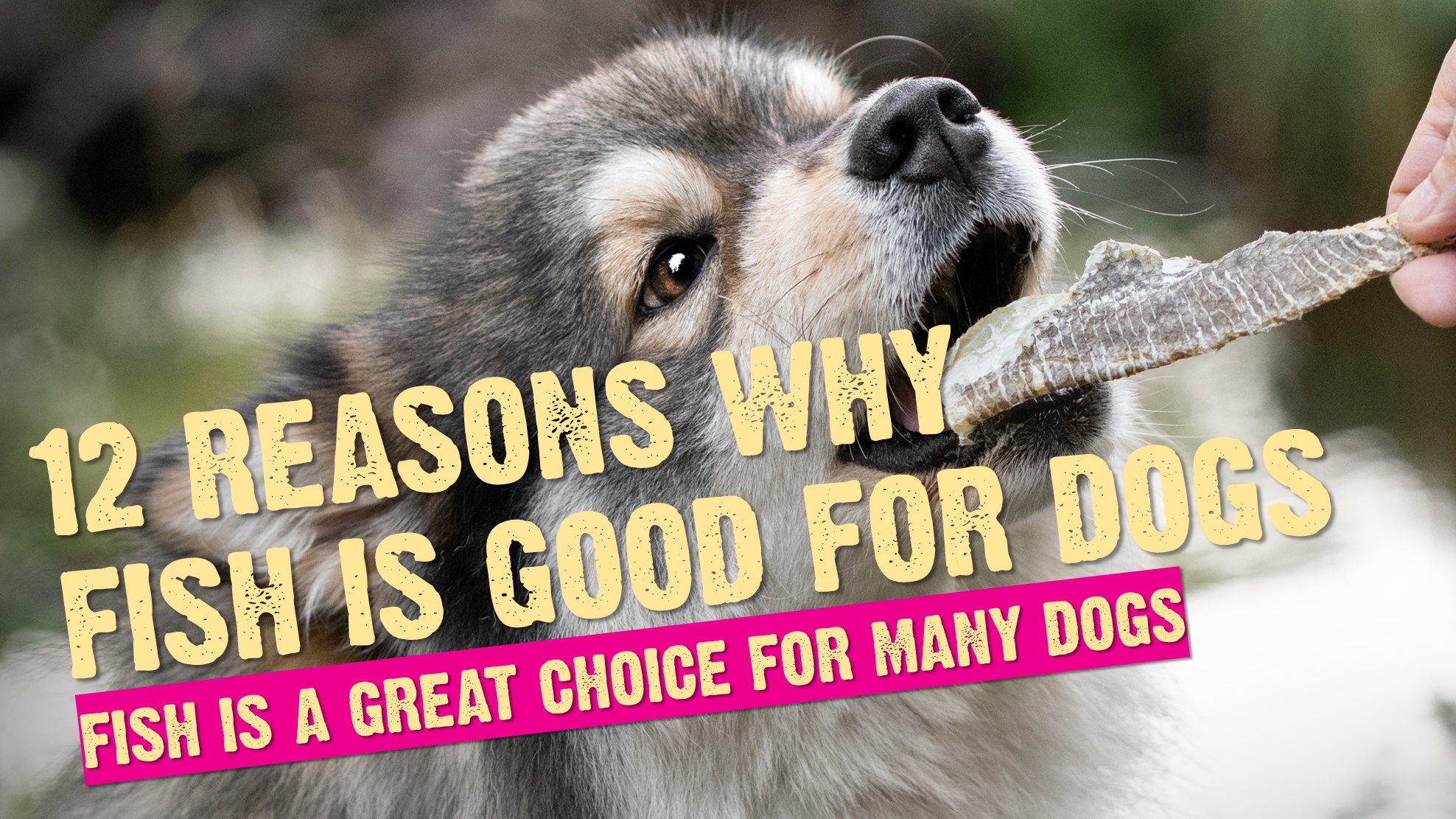
    12 Reasons Why Fish Is A Great Food For Dogs

    Fish is a high-quality diet and alternative to meat-based dog foods for dogs. It provides all the nutrients a dog needs in a low-fat, nutrition-rich food that has excellent benefits for a dog’s eyes, joints, and immune system.

    Fish is also great for dogs who need to lose weight.

    In this article, we will explore the many benefits of feeding fish to dogs and why it is not just good for them, but actually one of the best foods for dogs with some incredible benefits.

    The 12 biggest benefits of fish in your dog’s diet

    1. Fish is a high-quality diet and alternative to meat-based dog foods for dogs.
    2. Fish provides all the nutrients a dog needs in a low-fat, nutrition-rich food.
    3. Fish has excellent benefits for a dog’s eyes, joints, and immune system.
    4. Fish is also great for dogs who need to lose weight.
    5. Fish can be a great source of protein for dogs with allergies and food intolerance.
    6. Fish is an easily digestible protein source for dogs, especially those with liver or kidney disease.
    7. Fish is a fantastic source of nutrition and minerals such as calcium, magnesium, selenium, zinc, phosphorous, iodine, and iron for dogs.
    8. Omega-3 fatty acids found in fish act as a natural anti-inflammatory making it great for dogs with allergies or intolerances to other non-fish proteins.
    9. Fish is also great for dogs with joint issues and inflammatory bowel disease (IBD).
    10. Fish is a great source of healthy dietary fats that are enriched with essential fatty acids, vital in a well-balanced diet.
    11. Fish is packed with beneficial vitamins and minerals that are essential to good health in your dog.
    12. Adding fish to your dog’s diet will provide them with a raft of health benefits helping keep them in top condition and health throughout their life.

    What type of fish is best for dogs:

    The most common types of fish used in commercial dog food are shorter-lived species like salmon, ocean whitefish, lake whitefish, herring, walleye, flounder, and Arctic char.

    These fish are generally less likely to have high tissue mercury levels or significant parasite burdens.

    Smaller, younger, wild-caught fish are generally safe options when considering adding fresh or processed fish to your dog’s diet. Safe fish for dogs include whitefish, flounder, salmon, herring, catfish, cod, whiting and light tuna fish (canned).

    If you choose to feed a homemade diet with fish, be sure to consult your veterinarian or a board-certified veterinary nutritionist to make sure you are meeting all of your dog’s nutritional needs.

    Why pollock is just as good for dogs as cod (but usually cheaper)

    Pollock is a white fish that is similar to cod in terms of its nutritional value and taste. Like cod, pollock is a good source of lean protein, vitamins, and minerals for dogs.

    Pollock is often cheaper to buy than cod because it is more abundant and easier to catch. This means that pollock can be a more cost-effective option for dog owners who want to provide their dogs with the nutritional benefits of white fish without breaking the bank.

    Both pollock and cod are great options for dogs, so choosing between them often comes down to personal preference and budget.

    What do vets say about fish as a dog food:

    According to veterinarians, fish is a healthy source of protein and is often included in commercial dog food as an alternative protein source.

    Fish is rich in omega-3 fatty acids, which may have health benefits such as decreasing inflammation. Fish is also a good alternative for dogs with food allergies to more common ingredients, like chicken ¹.

    Many vets will often recommend fish-based diets for dogs with food allergies or an upset tummy because when cooked, fish is easy to digest, making it a brilliant alternative to meats such as chicken or beef ³.

    [powerkit_collapsibles] [powerkit_collapsible title=”Sources”] [/powerkit_collapsible]

    What types of fish should I avoid feeding my dog?

    According to the Food and Drug Administration guidelines, you should avoid feeding your dog the following types of fish:

    • shark
    • tilefish
    • swordfish
    • king mackerel
    • albacore tuna (canned) .

    These fish species are typically larger and older when they are harvested. Not only are they more likely to have an accumulation of unhealthy levels of mercury in their tissues, but they often harbor parasites in their skin, muscle tissues, and internal organs.

    Farm-raised fish should generally be avoided as well, particularly from areas where there are few industry regulations governing the type and quality of diet provided to the fish.

    Farm-raised fish also have increased potential for harmful residual antibiotic levels, dyes, and other potential toxins in the skin and muscle of the fish once they are harvested and processed.

    Conclusion: Fish is a great food for dogs, but choose the fish carefully

    In conclusion, fish is a great food for dogs. It is a high-quality diet and alternative to meat-based dog foods that provides all the nutrients a dog needs in a low-fat, nutrition-rich food.

    Fish has excellent benefits for a dog’s eyes, joints, and immune system and is also great for dogs who need to lose weight.

    Fish can be a great source of protein for dogs with allergies and is an easily digestible protein source for dogs, especially those with liver or kidney disease.

    Fish is a fantastic source of nutrition and minerals such as calcium, magnesium, selenium, zinc, phosphorous, iodine, and iron for dogs.

    Adding fish to your dog’s diet will provide them with a raft of health benefits helping keep them in top condition and health throughout their life.

  • Puppy-Powered Helpline Launched To Help People With Battery Anxiety

    Puppy-Powered Helpline Launched To Help People With Battery Anxiety

    Global technology brand OnePlus is celebrating the launch of the OnePlus 10T, its latest flagship smartphone which can be fully charged in as little as 19 minutes thanks to its 150W SUPERVOOC charging, by offering anyone who is experiencing smartphone battery anxiety (or people who are simply having a RUFF-day) the chance to interact with paw-some pooches by launching a puppy-powered, Battery Anxiety Helpline on WhatsApp.

    It is no secret that dogs make us happy, and the service comes as new research* from OnePlus revealed that that more than half of people (53%) said that spending time with a dog is a great way to ease anxiety and stress, and 41 percent said a cuddle from their favourite furry friend would make them feel better during a difficult time.

    Petting dogs has been proven to increase dopamine, the feel-good hormone, whilst looking at pictures or videos of dogs can make a person feel happy.

    So, because OnePlus is known for looking out for its community and doing things a little differently, its WhatsApp service will deliver adorable videos of OnePlus’ very own (battery) pack of dogs – a squad of beautiful baby Labradors called Dobie, Wilbur, Purple and Duck – guaranteed to recharge peoples spirts, whilst they recharge their phone.

    Cranking the cuteness levels up to 100, the OnePlus Battery Pack will be on hand to respond to people’s battery anxiety worries and turn their frowns upside down by sending them an adorable, personalised puppy-playtime video.

    Tuomas Lampen, European Head of Strategy, OnePlus said:

    “Following the launch of the OnePlus 10T – which provides up to a days’ worth of charge in just 10 minutes and a full charge in just 19 minutes – we are thrilled to create a service that not only alleviates symptoms of battery anxiety but also boosts those all-important happy hormones with the help of our puppy-powered WhatsApp helpline.

    “At OnePlus, charging innovation has always been at the heart of our product development, to create a fast and smooth user experience to ensure people never settle for less than they deserve when it comes to battery-life.

    With the launch of the OnePlus Battery Anxiety Helpline, our goal is to provide some light-hearted emotional support to anyone feeling low or frustrated by their smartphone’s battery-life – at least until they purchase a OnePlus 10T.”

    All people have to do to get their fluffy fix is send a message to 07385936686 on 18 August to be on the receiving end of the cuddliest puppy content.

    Or, for a more permanent solution to battery anxiety, people can now pre-order the brand new OnePlus 10T, powered by Qualcomm’s latest Snapdragon® 8+ Gen 1 chipset, before it hits the shelves on 25th August.

    Those who pre-order 10T before midnight on August 21 can get a set of OnePlus Buds Z2 wireless headphones for just £1, as well as standing a chance to win the phone for free, or win one of a range of accessories. Further, those who trade in their old phone can also get an additional £50 trade in benefit.

    To find out more and sign-up to order, simply visit  http://www.oneplus.com/oneplus-10t.

    *1,000 adults aged 16-45, commissioned by OnePlus and conducted by Perspectus Global in August 2022

  • Expert Vet Tips To Keep Your Dog Cool During A Heatwave

    Pup-sicles and paw-l parties anyone?! As the UK soars into highs of 30 degrees in certain areas this week… Veterinary expert, Dr Scott Miller working with natural dog food brand Barking Heads answers your heated questions and reveals the best ways to keep dogs cool when it’s hot, hot, hot…

    CAN MY DOG GO OUT DURING A HEATWAVE?

    Unlike us humans, our dogs can’t handle the heat as well as we can. Dogs sweat only through their paws and noses and rely on panting as their primary way of cooling down.

    Dogs are susceptible to heat stroke if temperatures are high enough, so whilst they can join us in the garden every now and then – I recommend keeping it to the cooler hours of the day (morning / evening) where the direct sunlight isn’t as strong.

    I do warn that heat stroke is a common condition in dogs in the British Summer and can cause significant acute and chronic health issues.

    Many of our dogs are simply not used to the warmer weather when it finally appears, and with us enjoying the sunshine sometimes we can put our canine companions at risk of exposure to Hyperthermia. Older dogs or brachycephalic (flat faced dogs) tend to be more sensitive to extremes of temperature.

    WHAT ARE THE SIGNS MY DOG IS STRUGGLING WITH THE HEAT?

    Heat stroke can present itself as excessive panting that does not abate, distress, drooling or even collapse. If you think your pet may be in distress from the heat, I recommend contacting your local vet for advice and they can then decide on the best course of action to take for your dog. Some symptoms which may indicate your pet is in distress are:

    • Excessive panting
    • Drooling
    • Shaking
    • Rapid breathing
    • Restlessness
    • Lethargy (Not themselves!)
    • Prolonged lack of appetite
    • Inability to stand up

    WHAT CAN I DO TO KEEP MY DOG COOL DURING A HEATWAVE?

    There are plenty of ways you can keep your pet safe from these higher temperatures and to make them feel more comfortable. It’s important NOT to fully immerse them in water as that can shock them or turn overheating into shock and/or drowning.

    Instead, standing them in cold water and scooping it over your dog can work well, otherwise find shade and dowse them in water from a water bottle. If at home, consider draping them in damp towels and use a fan to cool them. Allow you dog to drink as much as they wish and consider early or late walks and resting during the hottest part of the day to avoid heat stroke.

    If collapsed, extend the neck, clear the mouth, and vigorously massage the legs to maintain healthy blood flow. Always advise your Vet after an incident of hyperthermia, as your canine companion may show signs of ill health a few days after the event and should be monitored closely.

    A further guide to keep your dog cool in summer:

    • Add extra water to their food – soak their dry food and / or feed them wet food for additional hydration support
    • Keep your pet indoors and out of the sun during the strong, direct sunlight hours
    • Don’t shave your dog’s coat! – although tempting… it’s very important not to shave your dog’s fur as this acts as an insulator; keeping your pet warm in the Winter and cool in the Summer. Regular grooming can help them regulate their temperature, particularly if they have long or thick fur.
    • Walk your dogs early in the morning / late in the evening (feel the pavement with your hand to see if it’s cool, to ensure no risk of burning their pads)
    • Always ensure they have access to a full water bowl – you can add ice packs or cubes to their water, make pet ice lollies (pupsicles)
    • Circulate cool air inside using fans or air conditioning
    • Use damp towels or a cooling mat
    • Add shaded areas in the garden – if your pet loves to be outside with you, ensure there are shaded spots for your dog with access to water and their favourite toys and treats to keep them busy out of the sun.
    • Apply dog-friendly sunscreen to their skin – Yep! Dogs can get sunburn too so don’t forget to apply sunscreen to those sensitive areas on your dog’s skin (nose, ears, lips, and stomach). Especially if you have a white, light coloured, or patchy furred dog.
    • Don’t leave your dog in a hot car, no matter the circumstances!
  • Thinking Of Getting A New Dog? You Need To Watch This

    Thinking Of Getting A New Dog? You Need To Watch This

    Naturewatch Foundation has released a short documentary to help potential dog owners get a dog safely and responsibly. The animal welfare charity has released the film ‘Thinking of getting a puppy?’ to celebrate the three-year anniversary of its puppy farming hotline.

    Naturewatch Foundation campaigns on a number of animal welfare issues including against illegal puppy farming in the UK. Their work to tackle illegal dog breeding prompted the opening of their busy reporting hotline in June 2019.

    Naturewatch Foundation has received over 1,000 reports about suspected puppy farming since the hotline’s launch. Concerned by a rise in low-welfare breeding during the pandemic, the charity created a short documentary to help the public avoid unscrupulous breeders.
    Mostly filmed locally to the Cheltenham-based charity, this film has been produced entirely by dedicated volunteers from the Bristol Wildlife Filming Society.

    The film follows Alex Collins, a filmmaker looking to get a puppy. Alex speaks to suspected victim of puppy farming, a veterinary surgeon and a rescue dog adopter about their experiences. Viewers will learn about the risks of buying a puppy from an unreputable source. They will hear about the emotional and financial costs that come with buying a puppy online, as well as learn about the importance of proper research before getting a dog.

    The film also covers some of the common mistakes that can lead to people getting a dog from an unreputable source, and how these can be avoided.

    Campaigns Assistant, Natasha Wright, who helped produce the film, said, “We hope that, alongside our other advice and campaigns, this video will help people to get a dog safely without inadvertently supporting a puppy farm.”

    ‘Thinking of getting a puppy?’, is available to watch online now.

  • Ukrainian Refugees Able to Bring Pets to UK

    Ukrainian Refugees Able to Bring Pets to UK

    With the war displacing millions of families, the British government has altered pet travel laws to enable those escaping conflict to bring their pets with them.
    A recent change to British law will enable many of those fleeing the war in Ukraine to bring their pets with them rather than leave them to be euthanised. Estimates show that of the over 2.5m people that have evacuated, at least half have tried to leave with pets.

    Where refugees have been lucky enough to escape, many have found shelter in neighbouring countries. For many more, a journey to the UK has been the only option.

    Free Vaccines, blood tests, and quarantine

    Normally when entering the UK, an animal would be subject to various strict protocols. Pet passports, health certificates, blood tests, and a spell in quarantine all having to be organised prior to arrival.

    Now though, Ukrainian refugees can apply for an emergency licence allowing those bringing a pet to the UK the opportunity to have the fees for these waived.
    The Animal and Plant Health Agency are providing quick license approvals, and where needed, quarantine arrangements so that all animals can be fast-tracked into the country and looked after safely.

    Many pets may have already received vaccinations whilst in Ukraine meaning that no quarantine will be required. However, those that haven’t will receive them when entering the country and may still require a stay in quarantine. Currently set at a maximum of 4 months. In some cases, where suitable, a home quarantine will be proposed, in others, a shorter stay in a quarantine facility may be used.

    The Initiative

    The initiative to house pets safely in the UK bore out of communications between lobbyists, animal welfare minister Zac Goldsmith and environment secretary George Eustace. Lobbyist Dominic

    Dyer said:

    If the UK policy remains, we could see tens of thousands of dogs and cats having to be euthanized in Poland, Hungary, and Romania in the weeks ahead. Each of these animal deaths would bring further misery to the women and children who have escaped war.

    Keeping Pets From Ukraine in your House

    The government has stated that each case will be assessed on a case by case basis with regards to whether home quarantine will be suitable. It will also carry out the same assessment with regards to how long a pet will be required to stay in quarantine for. If you have voluntered to house a family from Ukraine and they have pets, as long as it does not require any quarantine it will be welcome to stay with you.

    Starting the process

    If you are in contact with anybody in Ukraine who is due to be making their way to the UK, you can advise them to contact the Animal and Plant Heath Agency. With the infrastructure issues currently in the Ukraine, this may be something you could do on their behalf. In the first instance it would be recomended that the pet owner makes contact which they can do by emailing pettravel@apha.gov.uk or they can call +44 3000 200 301.

    This will then allow the process for a special licence to be granted. During this time of conflict, it is only pets from the Ukraine that are exempt from the standard entry requirements. All commercial imports will still be subject to normal entry requirements.

  • UK Lawmakers To Debate Welfare Issues Surrounding Greyhound Racing

    On Monday 28 March, MPs will debate e-petition 554073, relating to greyhound racing. Christina Rees MP, a member of the Petitions Committee, has been asked by the Committee to open the debate. Jo Churchill MP, a Minister from the Department for Environment, Food and Rural Affairs will respond.

    ‘Ban greyhound racing to end unnecessary deaths & suffering of racing dogs’

    The petition, which has more than 104,000 signatures, states: “The Government must introduce legislation to abolish greyhound racing, via managed shutdown of activities, and ensure welfare of redundant dogs through a levy on the industry. In 2019 Greyhound Board of Great Britain (GBGB) data confirmed 4970 injuries & 710 deaths (14 per week).”

    In its response to the petition, provided on 26 November 2020, the Government said: “Defra supports high welfare for racing greyhounds, considers that welfare concerns are being addressed in many ways, and believes a ban is unnecessary.”

    The debate will last up to 90 minutes, and will provide opportunities for MPs to question the Government directly on this issue. The debate will take place in Westminster Hall from 16:30, and will be available to view on Parliament TV and on YouTube.

    Petition details

    • ‘Ban greyhound racing to end unnecessary deaths & suffering of racing dogs’- view on petition signature map.
    • Any Library Briefing Papers for this debate will be available here.

    Follow the debate


    Where in the country were these petitions signed?

    The top 10 parliamentary constituencies that supported the ‘Ban greyhound racing to end unnecessary deaths & suffering of racing dogs’ are as follows:

    Constituency

    MP

    Signature Count


    Isle of Wight

    Bob Seely MP

    316

    Central Devon

    Rt Hon Mel Stride MP

    314

    Brighton, Kemptown

    Lloyd Russell-Moyle MP

    311

    Brighton, Pavilion

    Caroline Lucas MP

    308

    Torridge and West Devon

    Rt Hon Sir Geoffrey Cox QC MP

    296

    Tiverton and Honiton

    Neil Parish MP

    294

    Hastings and Rye

    Sally-Ann Hart MP

    293

    Camborne and Redruth

    Rt Hon George Eustice MP

    282

    Edinburgh North and Leith

    Deidre Brock MP

    282

    Somerton and Frome

    David Warburton MP

    280


  • Want To Be A Pet Sitter? Now Could Be The Best Time

    In 2020/2021 pet ownership levels soared to an unprecedented high of 59% due to the pandemic and more people spending time at home. More than half of UK (United Kingdom) households own at least one pet, with an estimated 12 million dogs and 12 million cats living in homes.

    But what happens when pet owners go on holiday?

    Homesitters Ltd, a leading UK home and pet sitting company, says it has led to a spike in demand for their services and they are seeking new homesitters to join them.

    Benjamin Irvine, Director of Business Operations at Homesitters Ltd says: “People are spending more on the welfare of their pets and want to ensure they are well looked after when they go on holiday.

    “We’re seeing bookings increase and we’re now recruiting new homesitters to meet this demand. We are looking for active retired people who love pets and travelling and want to earn some money to supplement their retirement income.”

    Home and pet sitting also offers people the chance to get their ‘animal fix’ and spend time caring for other people’s pets. Many couples also enjoy homesitting because they get the chance to spend more time together, earn some extra money and discover new places in the UK.

    For many, the chance to become a pet sitter sounds like a dream job.

    Anita and Norman Prior from Tamworth in Staffordshire decided to become homesitters in 2018 after taking early retirement in their 50s following their careers in the Royal Air Force.

    This adventurous couple live on a houseboat near Tamworth. They love animals and when their pet spaniel died in 2015, they could not face getting another dog, but decided they would be happy looking after other people’s dogs instead.

    Since joining Homesitters, they have travelled all over the UK on assignments and looked after many pets including twelve dogs, three cats, three donkeys and a lake full of wildfowl.

    They love the variety of their role – whether that is staying in peaceful rural locations where they can go for walks in the countryside or taking a city break in London where they can visit new attractions, try different foods and meet interesting people.

    Anita says, “We’ve looked after many different dogs, and enjoy getting to know their personalities. Some owners like to keep in touch while they are away, and we will send them photos of the dogs so they can see what they have been up to.

    “We have stayed in beautiful homes in gorgeous locations and there’s always something different to do. We have our pensions which we can live on quite comfortably, but our earnings from homesitting enables us to enjoy life just that little bit more.”

    Retired couple Martin and Kristine Bell from Collingham, near Newark in Nottinghamshire are also employed by Homesitters. Martin says: “You’d be surprised how many people aren’t aware that home and pet sitting is a real job, and we’d recommend it to anyone who is retired. How else would you get the opportunity to stay in different homes and experience other people’s pets and lifestyles and not have to pay lots of money to do it?”

    Homesitters Ltd is looking for reliable and responsible people who want to join the pet and home sitting team and take advantage of the many benefits of homesitting and enjoy a new way of life, living in other people’s homes and seeing new places.

    For more information about Homesitters Ltd please visit: www.homesitters.co.uk

  • Demand For Dog Friendly Rental Properties At All Time High

    A new research report from leading animal welfare charity Battersea highlights the difficulties facing tenants when it comes to pet ownership, with 50% of people struggling to find pet friendly properties.

    In the UK 23% (4.3 million) of all households now rent their home from private landlords. Demand for pet-friendly rental homes appears to be at an all-time high, with 43 per cent of tenants currently owning a pet and a further 33 per cent hoping to own a pet now or in the future. These figures suggest that more than three quarters of renters are affected by landlord pet policies.

    Battersea’s research found that there can be major obstacles preventing private tenants from getting a new pet or even keeping a beloved one they have had for many years. Property websites Rightmove and Zoopla confirm Battersea’s findings of a huge disparity between surge in demand and lack of options. Rightmove reports that in the last year the demand for rented properties that allow pets has increased by 120 per cent, while Zoopla found only seven per cent of landlords listed their properties as suitable for pets in 2021.

    Like many people across the country, Sara’s* life was heavily impacted by the Covid-19 pandemic. A change in her financial circumstances meant that she needed to find somewhere more affordable for her and her 16-year-old cat to live in Sussex. When enquiring about properties, Sara repeatedly found conversations were shut down as soon as she mentioned having a cat, despite offering glowing references from previous landlords for both her and her pet. She finally found a flat with a landlord willing to waive the no pet policy on the condition that the other tenants and landlords did not find out as the whole building has a blanket ban on pets.

    Peter Laurie, Battersea’s Chief Executive, said: “Each year rescues like Battersea take in much-loved pets from responsible owners who have had to make the heart-breaking decision to give up their companion because they have been unable to find a rental property that will allow a pet. While we will always help any animal in need, we believe that by campaigning for more pet friendly homes across the country, we will see fewer dogs and cats being brought into us and more staying in their original loving homes. Battersea is here to support tenants, landlords and housing providers in getting more pets into rented homes.”

    Of course, many landlords do recognise the immense benefit and joy of pet ownership, some of whom are pet owners themselves. London landlord and dog owner Francesca Grosso has always allowed pets in her property in Islington. Several years ago, she had a negative experience with a tenant who did not disclose they had dogs and unfortunately caused damage, but she says this would never stop her from allowing pets as she knows herself how important they are.

    Francesca said; “Although I have suffered from a bad experience of a pet-owning tenant before, this has not stopped me from renting to pet lovers again. The lack of pet friendly rental properties is a massive issue that needs addressing, and I welcome Battersea’s campaign wholeheartedly.”

    Battersea’s report found that the main reason landlords were still wary of allowing pets in their property was concern about the risk of damage to their property or mess. However, only three per cent of dog owners reported that their pet had ever damaged property or been the subject of a noise complaint. Battersea’s Pet Friendly Properties campaign aims to dispel misconceptions while also recognising landlords’ valid concerns and finding solutions.

    One of Battersea’s recommendations is that more landlords and tenants should be informed of the benefits of taking out insurance against pet damage. The charity found that 42 per cent of landlords would be willing to consider allowing pets if they could ask for insurance against pet damage, and 33 per cent were in favour if able to impose a higher security deposit. These are just two of many compromises that landlords and tenants could use to reach an agreement that works for all parties and keeps pets together with their owners.

    A tenant who successfully made compromises to be allowed to keep her dog in a new home is Kerrie Fuller in Leicester. Kerrie’s previous landlord had to sell the property and gave Kerrie and her family three months to find a new place to live. It felt impossible for her to to find a home that was not only pet friendly for the family dog, but also within suitable distance of her young son’s school. It took Kerrie months of searching before she finally found somewhere that didn’t immediately reject her request to bring a pet, but even then she had to use the money she’d been saving for her wedding to pay a larger deposit, along with agreeing to an increase in rent and an agreement on house rules including no pets upstairs.

    Kerrie said: “It was such a stressful time and an awful position to be in. I recall feeling like we would never find anywhere because single young professionals would always be more appealing to a landlord than me with a family and dog.”

    To read the full report, click here. To find out more about Battersea’s Pet Friendly Properties campaign and sign the pledge to receive updates of how you can show your support, please visit the www.battersea.org.uk/pet-friendly-properties.

  • Revealed: These Are The Snacks That Dogs Like The Most

    New research has revealed the treats that dogs can’t get enough of, the top brands of biscuits, and how pet-parents can most effectively use treats to train their dogs, ahead of International Dog Biscuit Appreciation Day.

    Analysts at kennel manufacturer Benchmark Kennels have surveyed dog owners to find their favourite treats, and talked to professional dog trainer Ali Smith and animal behaviourist Rachel Rodgers to reveal how best to train your dog using treats.

    Key Findings

    • Chicken is a dog’s favourite treat, with over 1 in 5 (20.33%) canines choosing this as their top snack.
    • This is closely followed by hotdogs (15.67%) and cheese (15.33%).
    • Benchmark Kennels compiled data from dog owners on which treats their dogs are most willing to recall and complete a command for.
    • Benchmark Kennels spoke to professional dog trainer Ali Smith about training your puppy with treats, and clinical Animal Behaviourist Rachel Rodgers about the most effective treats for teaching different commands and training your dog in different environments.

    Obedience training can be very trying, so to gain some insight into this part of puppy parenthood, Benchmark Kennels decided to reach out to the founder of Rebarkable and overall puppy expert, Ali Smith.

    “Certain breeds are definitely easier to train, but there is no ‘disobedient’ breed. Just some who are bred to be independent and some who are bred to work closely with you.

    “More biddable breeds include German Shepherds, Labrador Retrievers, toy poodles, border collies – essentially the breeds that are often deemed ‘smart’ breeds, and the more aloof or independent breeds like Huskies, Harriers, Shiba Inu, and a whole host of terriers are usually equally smart, it can just be more difficult to find their wavelength.”

    Treats can provide the perfect reward and incentive for pups to follow commands. Creating this positive connection between food and obedience can speed up the training process massively.

    However, some dogs are also more inclined to work for food than others, such as greedy labradors and pugs! These breeds happily see treats as their reward whereas working dogs such as spaniels, shepherds and collies might find a toy and a good game of tug and war more enticing. The key to the training process is finding what motivates your dog in particular.

    The environment in which a dog is taught has a direct impact on their concentration levels and as a result, their ability to learn and absorb new tricks or habits. The Benchmark team contacted clinical Animal Behaviourist and fellow expert in all things dog, Rachel Rodgers, to expand on why certain treats are more effective in different environments.

    “When teaching something new, or taking known tricks into an unfamiliar, distracting environment such as a park, we need to use higher value products such as meat-based treats. When in a familiar place like the home, lower value treats such as more traditional, shop-bought biscuits like milk and gravy bones can work well.”

    While it may seem like treats are not compelling your dog like they should, it may be the case that what you are offering is simply not tempting enough to command your pooch’s attention, especially while they are in an interesting environment. It is a good idea to vary the treats that you give your pup to ensure that each remains interesting and does not lose its effect.

    Barking at the doorbell, begging at the dinner table, jumping up at guests – we’ve all been there! However, specific dog treats can be used to fix these behavioural issues.

    While these issues can be frustrating, it is essential to consider why a dog might be acting in such a way. After ruling out potential causes of pain or fear, it is worth considering that your pooch is oblivious to the fact that they are doing anything wrong.

    Rachel Rodgers explains:

    “We should never punish a badly behaved dog because in the majority of situations, the reason that the dog is ‘badly behaved’ is that they have not been taught the right thing to do in the first place.

    “Teaching an incompatible behaviour to the problem behaviour can be a great way to tackle common issues.

    “If a dog is jumping up, scatter food on the floor: their nose will be down sniffing out treats which is incompatible with being up near someone’s face and jumping! They are also getting rewarded for keeping their 4 paws on the floor which over time will become their new behaviour. Dog barks at the postman? Teach them to lie quietly on the bed where they will get a tasty chew.”

    While small, soft treats are perfect for training and teaching tricks as canines can eat them quickly, longer lasting treats such as biscuits can be ideal when teaching pooches to be calm around visitors. Giving a long-lasting biscuit or chew on their bed when people arrive can also help dogs learn to settle and relax in a set area rather than jumping all over guests. It is all about choosing the right kind of treat depending on the situation or environment.

    Although dogs only have about one-sixth of the number of taste buds that humans have, we can’t help but wonder if our pooches have snack preferences.

    Ali Smith was able to shed some light on the subject. According to Ali, our furry friends tend to favour flavours of liver or whole proteins such as chicken and ham. However, it is worth keeping in mind that some treats are definitely healthier than others. Just like human food, the less processed, the better: recognisable ingredients are always a good sign!

    The team at Benchmark Kennels decided to do some digging. We asked 300 dog owners for their pooches’ favourite snacks and compiled a comprehensive list of dogs’ favourite alternative treats.

    Just as Ali Smith predicted, the dogs were chicken lovers, with over 1 in 5 of owners voting this popular poultry as the treat that their pooch gets most excited for. Dogs are not bothered about whether the chicken is freeze-dried, baked, or boiled, so don’t bother with any elaborate cooking, these pooches are easily pleased.

    The second most popular snacks were hot dogs and sausages, without onion and garlic of course which are harmful for dogs. This quintessential American delicacy was suggested by almost 1 in 6 fur-parents. In fact, Rachel Rodgers recommends using this food as a training incentive. “Small pieces (no larger than your small finger nail) of hot dog or ham can be really good high value treats for training.” However, Rachel also warns that meat products with a high salt content are harmful for our doggos and should be avoided. To be safe, stick to reduced fat and salt hot dogs, with no garlic or onion powder flavouring.

    Dogs favourite snacks, as chosen by 300 dogs

    1 – Chicken (freeze-dried, baked, or boiled) – 61 (20.3%)

    2 – Hot dog/sausage (no onion/garlic) – 47 (15.7%)

    3 – Cheese – 46 (15.3%)

    4 – Beef liver (freeze-dried, baked, or boiled) – 43 (14.3%)

    5 – Kibble – 35 (11.7%)

    6 – Salmon jerky (freeze dried fish or skin) – 26 (8.7%)

    Joint 7 – Carrot – 21 (7%)

    Joint 7 – Beef jerky (no additives/salt) – 21 (7%)

    Joint 7 – Ice cubes – 21 (7%)

    8 – Peanut butter (no Xylitol) – 20 (6.7%)

    *The research totals 341 treats chosen – some dogs recalled equally effectively for multiple treats.

    Although dogs are the biggest human food enthusiasts, it is best to be careful and research foods before offering them to pooches. Rachel Rodgers warns:

    “There are certain human foods which would be toxic and dangerous to give to our dogs. Any foods containing chocolate, raisins, grapes etc. need to be avoided as this could have deadly consequences to the dog. Other human foods are ok to give dogs but in small quantities.”

  • MPs To Debate Lab Testing on Animals & the Animal Welfare Act

    On Monday 7 February, MPs will e-petition 591775, relating to laboratory animals and the Animal Welfare Act. Martyn Day MP, a member of the Petitions Committee, has been asked by the Committee to open the debate. Kit Malthouse MP, Minister of State at the Home Office, will respond.

    ‘Change the law to include laboratory animals in the Animal Welfare Act’

    The petition, which has more than 110,000 signatures, states: “The Government needs to change the law so laboratory animals are included in the Animal Welfare Act. Laboratory animals are currently not protected by the Act and are therefore victims of ‘unnecessary suffering’”

    In its response to the petition, provided on 20 August 2021, the Government said: “The Government believes animal use for research remains important and The Animals (Scientific Procedures) Act 1986 (ASPA) provides specific protection for these animals.”

    The debate will last up to three hours, and will provide opportunities for MPs to question the Government directly on this issue. The debate will take place in Westminster Hall from 16:30, and will be available to view on Parliament TV and on YouTube.

    Petition details

    • ‘Change the law to include laboratory animals in the Animal Welfare Act’- view on petition signature map.
    • Any Library Briefing Papers for this debate will be available here.

    Follow the debate

     Where in the country were these petitions signed?

    The top 10 parliamentary constituencies that supported the ‘Change the law to include laboratory animals in the Animal Welfare Act’ are as follows:

    Constituency MP Signature Count
    Huntingdon Mr Jonathan Djanogly MP 493
    North West Cambridgeshire Shailesh Vara MP 467
    North East Cambridgeshire Rt Hon Steve Barclay MP 434
    West Suffolk Rt Hon Matt Hancock MP 294
    Isle of Wight Bob Seely MP 292
    South East Cambridgeshire Lucy Frazer MP 283
    Rochford and Southend East James Duddridge MP 281
    Wealden Ms Nusrat Ghani MP 279
    Surrey Heath Rt Hon Michael Gove MP 279
    Weston-super-Mare John Penrose MP 277


    Editors Notes:

  • Firm Launches Candle To Mask The Smell Of Wet Dog

    Are you struggling to get rid of that wet-dog smell after walking your pooch in the wetter weather?

    Almost two-fifths (38%) of dog owners express they’ve purchased a product to try and banish the unpleasant smell, with nearly half (49%) claiming they’d buy a product if it was guaranteed to remove the odour 1. So, to answer their prayers, dog-friendly holiday specialist Canine Cottages has created the ‘Pawsitively Fresh’ candle with distinctive scent of lavender and sweet lilac.

    • With winter in full swing, Canine Cottages has created its ‘Pawsitively-Fresh’ candle aiming to mask the smell of wet dogs, with calming lavender and sweet lilac
    • 75% of Brits say they never walk their dog in bad weather
    • Half (49%) of Brits would purchase a product to get rid of the awful wet-dog smell

    After the nation was surveyed about their dog-walking habits, the majority of Brits (68%) claimed they only clean and dry their dog after a walk if it’s extremely rainy or muddy, meaning there’s a lot of pooches out there not getting wiped down properly!

    In fact, a further 5% even claimed that they would never clean or dry their dog after walkies!

    Adding to this, our research also found that a huge 75% of Brits said they would never walk their dog in very bad weather, no doubt due to the mess and smell of having a wet dog on their hands.

    But why do our pooches smell when wet? Our dogs have microorganisms (yeasts and bacteria) living on their skin. When wet, these microorganisms are evaporated into the air, creating that smell we all know too well.

    So, what can dog owners do to help get rid of the wet-dog smell?

    Canine Cottages have created its own ‘Pawsitively-Fresh’ candle, which not only aims to mask those wet dog whiffs for good, but is packed with benefits for our pooches too.

    As Tara Paonessa, animal reflection coach and director at Cavendish Dogs, says: “Lavender is the perfect ingredient for candles; it‘s safe for dogs and has some fantastic properties that go beyond calming and soothing. It’s a natural flea and tick repellent and is found in most natural sprays.

    “Lavender is also widely used for joint care in oils and supplements. It can also be used topically for pain and is a natural go-to favourite for dry and itchy skin.”

    Not only this, but lilacs are also a great for dogs too – it’s a scent dogs are naturally drawn too making it a perfect addition to the candle.

    Commenting on the launch of the candle, Shannon Keary, Digital PR Manager at Canine Cottages says: “We all know we need to take our pooches for walks regardless of the weather, even if it’s wet and dreary outside. But with wetter weather comes soggy pooches, and nobody wants to deal with that smell we all know too well. That’s why we have created our Pawsitively Fresh candle, to mask the smell of wet dogs and make homes smell fresh once more!”

    To find out more on this research, please visit: https://www.caninecottages.co.uk/blog/pawsitively-fresh-candle-for-wet-dog-smell

    1. Survey of 1,500 pet owners, undertaken in November 2021
    2. Candle created in collaboration with Stoneglow Candles
  • RSPCA Offers Advice On Returning To Work For Dog Owners

    The RSPCA is urging dog owners to think about their dogs and ensure they’re happy being left home alone before returning to work.

    The UK Government has announced that Covid 19 Plan B measures – introduced as a result of the rapid spread of the Omicron variant – will be lifted, including advice that people should work from home.

    The RSPCA fears that dogs may struggle if this change in regulations prompts people to change their routine and return to the office.

    RSPCA dog welfare expert Esme Wheeler said: “We’re urging dog owners to be #DogKind and make a plan to help their pets cope with the change and teach them that it’s okay to be left home alone.

    “There are estimated to be up to 12 million dogs across the UK and research has suggested that around eight in 10 dogs struggle to cope when they’re left alone. As many families have taken dogs on during lockdown – some of which may have never been left alone – this could pose a major dog welfare crisis as life begins to return to normal again.

    “Dogs are very social and can form strong bonds with us so some don’t like being left behind when their owners go out. If they haven’t been prepared in a slow and positive way and learnt that being by themselves can be a positive experience then they can find it really difficult, stressful and frightening.”

    Five tips to help your dog when he’s home alone

    1. Encourage your dog to spend time on his bed with a toy or chew, and set up a safe space for him to have access to when you’re out;
    2. Get your dog used to your new routine, especially if it involves altering the time of meal times or exercise
    3. Pop out and leave your dog home alone for short periods of time, gradually increasing the time – never leave them suddenly for an extended period, use a dog-sitter to take care of him instead;
    4. Give them a licky mat, puzzle treat dispenser or frozen activity feeder to keep them occupied while you’re out;
    5. Use a camera to keep an eye on your dog and make sure he’s not struggling.

    Some dogs who find being left home alone difficult may exhibit behaviours that are usually associated with distress, like barking, toileting in the house, or being destructive. But others may not give any clear signals that they’re struggling and can often suffer in silence. That’s why it’s so important to teach all dogs that it’s okay to be left home alone and that you will return home.

    Remember that puppies require higher levels of care and cannot cope with extended periods of separation.

    If you’re concerned your dog may be displaying signs of separation related behaviour there are some steps you can take to help them:

    • Speak to your employer; is there a way of splitting your time between home and the office to reduce the amount of time your dog is home alone?

    • Dog-friendly office; could you take your dog into work with you? Is it safe and would your dog enjoy the experience?

    • Friends and family; do you have a friend, relative or neighbour who could pop in to spend time with your pooch while you’re out?

    • Employ a professional; think about hiring a professional dog walker (remember to use our Dog Walking Guidelines to find a good dog walker) to take your pet out.

    • Doggy day care; enrol your pooch into doggy day care while you’re at work.

    • Seek help; film your dog when left alone and if you spot signs that your dog is struggling then it’s important to seek help promptly from a clinical animal behaviourist (find a good behaviourist here) and make a training plan to introduce being left gradually and positively.

    For tips on how to train your dog to be left alone visit our website and a video to help dog owners is on Youtube.